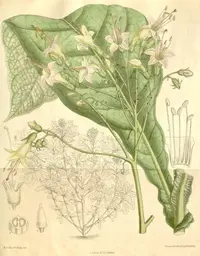









Best Soil for tobacco (Nicotiana tomentosa)

A loose, well-drained, organic-rich mix helps Nicotiana tomentosa develop healthy roots and steady top growth.

Soil Texture

Loamy, Sandy, Organic-rich

Soil pH

Acidic (5.5–6.5), Slightly acidic (6.5–7.0)

Soil Drainage

Well-drained

Nicotiana tomentosa Soil Guide

As a tobacco species native to South America, Nicotiana tomentosa is adapted to soils that stay lightly moist but do not remain wet. Its roots benefit from a loose, airy substrate that allows steady oxygen around the root zone while still holding some moisture.

The best soil for tobacco is loamy to sandy, with enough organic matter to support even moisture and a soft, open structure. Good drainage matters because this plant grows best when excess water moves through the soil fairly quickly instead of collecting around the roots.

A simple homemade mix gives Nicotiana tomentosa the balance of airflow and moisture control it needs in containers.

100% total mix = 20 scoops
15%
coarse sand3 scoops
20%
perlite or pumice4 scoops
25%
compost or well-aged organic matter5 scoops
40%
high-quality potting soil8 scoops

The finished blend should feel crumbly and light, hold some moisture, and let excess water move through without staying heavy.

A slightly acidic to near-neutral range of about 5.5–7.0 suits tobacco well. Within that range, major nutrients stay more available to the roots, which supports steady growth and balanced leaf development.

Nicotiana tomentosa generally performs best on the mildly acidic side, but it can handle a fairly small shift toward neutral soil if the mix is otherwise in good condition.

Most soil issues with tobacco start below the surface, where roots respond quickly to poor air flow or uneven moisture.

Compacted mix:

Dense soil can slow root activity and leave the surface wet for too long, so gently open the mix and add more coarse structure at the next refresh.

Staying soggy:

If the container feels heavy for days, excess moisture may be lingering around the roots, so check drainage and let the mix dry a bit more evenly.

Dry pockets:

Peaty or old mix can repel water and leave some areas bone dry, so remoisten gradually until the root zone absorbs moisture consistently.

Spent organic matter:

When the mix breaks down into fine particles, air space drops and roots struggle more, so replace part or all of the old substrate with fresher material.

Match Plant to Soil

Botan helps match this plant to a more suitable soil setup based on its growth habit and container conditions.

FAQ

Yes. Drainage holes help excess water leave the container, which protects root oxygen levels and keeps the tobacco soil mix from staying saturated too long.

More Plant Soil Guides

Is Your Soil the Problem?

Soil may be one factor behind visible decline. Botan’s photo check can help identify whether the growing medium is worth a closer look.

Botan app helping with soil and plant care
Top 15 Fast-Growing Trees For Your Garden

13 min read · 28 Jul 2026

Top 15 Fast-Growing Trees For Your Garden

Learn which of the 15 fastest-growing trees will suit your area. We’ll share detailed information on each: growth rate, mature spread, key tree demands, and main vulnerabilities. Read on and make the best choice possible.

Plant Recommendations

Top 15 Fast-Growing Trees For Your Garden
Dill Companion Plants – What to Grow Next to Dill

9 min read · 17 Jul 2026

Dill Companion Plants – What to Grow Next to Dill

Dill is an easy-to-grow plant that gets along well with many vegetables. This guide describes 15 plants that can be planted alongside it, a few to avoid, and mistakes that can quietly sabotage the entire process.

Plant Recommendations
Dill Companion Plants – What to Grow Next to Dill
When to Harvest Carrots: Timing, Signs, and How to Pick Them

6 min read · 23 Oct 2026

When to Harvest Carrots: Timing, Signs, and How to Pick Them

Carrots are usually ready 60-80 days after sowing them in the soil, depending on the variety. Learn how to recognize maturity signs, choose the right harvest season, pull carrots without damaging them, and store roots after picking.

Plant Care
When to Harvest Carrots: Timing, Signs, and How to Pick Them