





Best Soil for Japanese camellia (Camellia japonica)

For strong root growth, Camellia japonica needs loose, organic-rich soil that stays evenly moist without becoming stagnant around the roots.

Soil Texture

Loamy, Peaty, Organic-rich

Soil pH

Strongly acidic (4.5–5.5), Acidic (5.5–6.5)

Soil Drainage

Moist but well-drained

Camellia japonica Soil Guide

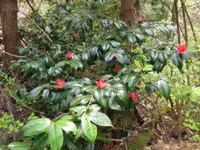
Native to Japan, Korea, and parts of China, Camellia japonica grows in woodland settings with leaf litter, steady moisture, and good air around the roots. That background explains its preference for loose, organic-rich soil that stays evenly moist without becoming soggy.

The best soil for Japanese camellia is loamy to peaty, with enough structure to drain well but enough fine material to hold moisture. Its relatively fine root system benefits from acidic soil and consistent aeration, which support steady water uptake and healthy root function.

A homemade mix gives better control over texture and drainage for Camellia japonica in containers or raised beds.

100% total mix = 20 scoops
10%
compost2 scoops
20%
perlite or pumice4 scoops
30%
pine bark fines6 scoops
40%
peat moss or coco coir8 scoops

The finished blend should feel light, springy, and slightly fluffy, with enough body to stay evenly damp while excess moisture moves through at a moderate pace.

Japanese camellia grows best in acidic soil, with an ideal range around 5.0–6.5 pH. In that range, key nutrients such as iron and manganese stay more available to the roots.

When soil drifts closer to neutral or alkaline, nutrient uptake becomes less efficient even if the soil itself looks rich. Slight variation is usually tolerated, but consistently acidic conditions support steadier growth.

This species can be sensitive to root stress when the root zone stays airless or compacted for too long. A few soil-related issues are worth checking early.

Dense soil:

Dense soil: If the surface dries hard and water lingers, the root zone may be compacted, so gently loosen only the top layer and improve structure at the next soil change.

Poor drainage:

Poor drainage: A sour smell or persistently heavy pot can point to trapped moisture, so check drainage holes and let excess water exit fully.

Spent organic matter:

Spent organic matter: If the mix has shrunk far below the rim or turned dusty between waterings, add a fresh top layer or replace the mix when practical.

Salt buildup:

Salt buildup: A pale crust on the surface can interfere with root function, so scrape it away and flush the container thoroughly once or twice.

Find the Right Soil

Botan helps match this plant to a more suitable soil setup based on its growing conditions and the way the current mix behaves.

FAQ

Yes. Drainage holes are important because this species dislikes stagnant moisture around its fine roots. A pot without them makes it much harder to keep the mix evenly moist without becoming waterlogged.

Everything About Japanese camellia

More Plant Soil Guides

Wrong Soil? Check It.

If growth or leaf quality seems off, Botan’s photo-based assessment can help check whether soil conditions might be part of the problem.

Botan app helping with soil and plant care
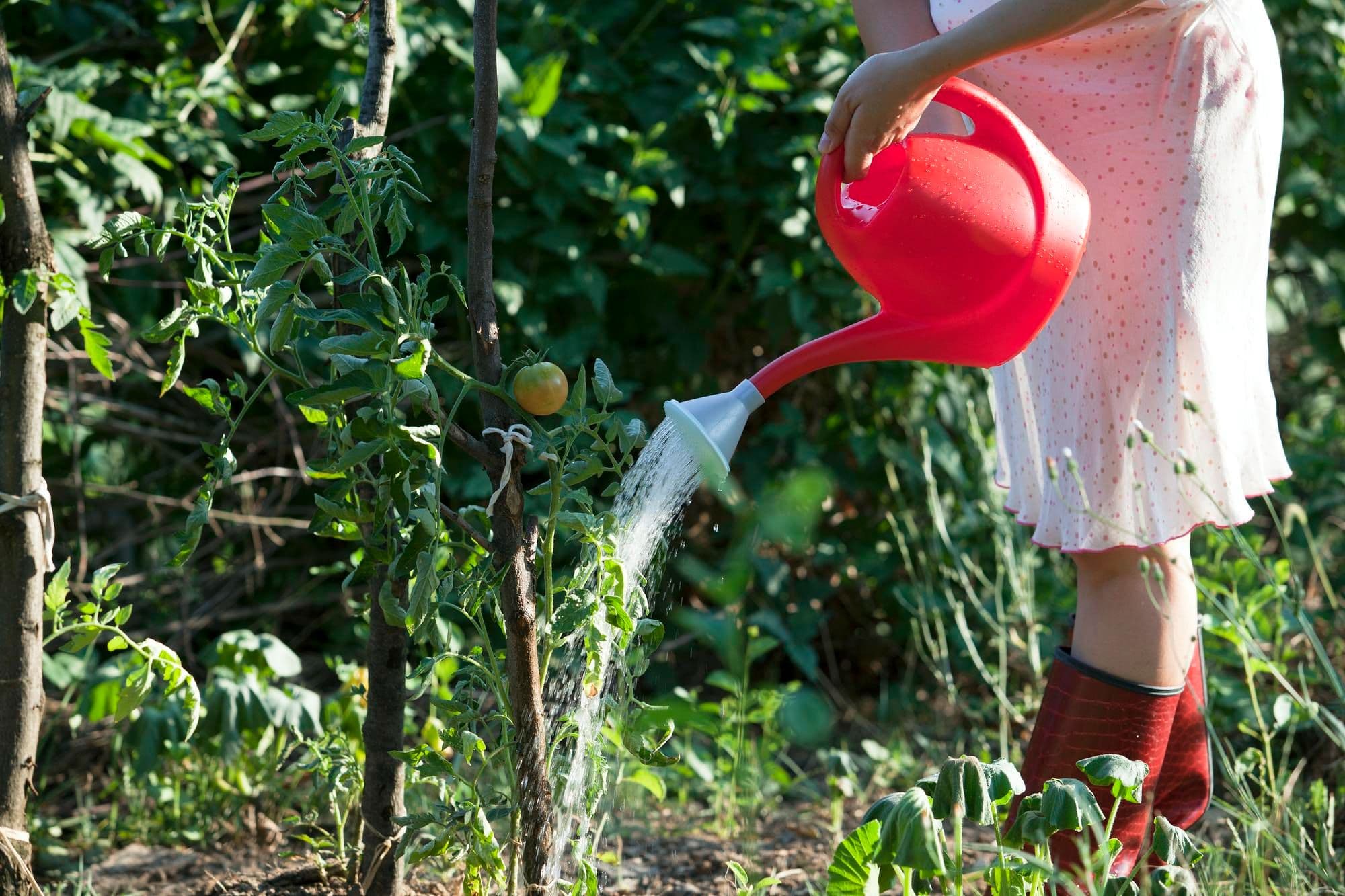
How Often to Water Fruit Trees

7 min read · 11 Aug 2026

How Often to Water Fruit Trees

Irrigation needs change as roots establish and weather shifts. This guide gives practical starting intervals, explains how soil and tree type change them, and shows how to recognize both excess moisture and drought stress.

Plant Care
How Often to Water Fruit Trees
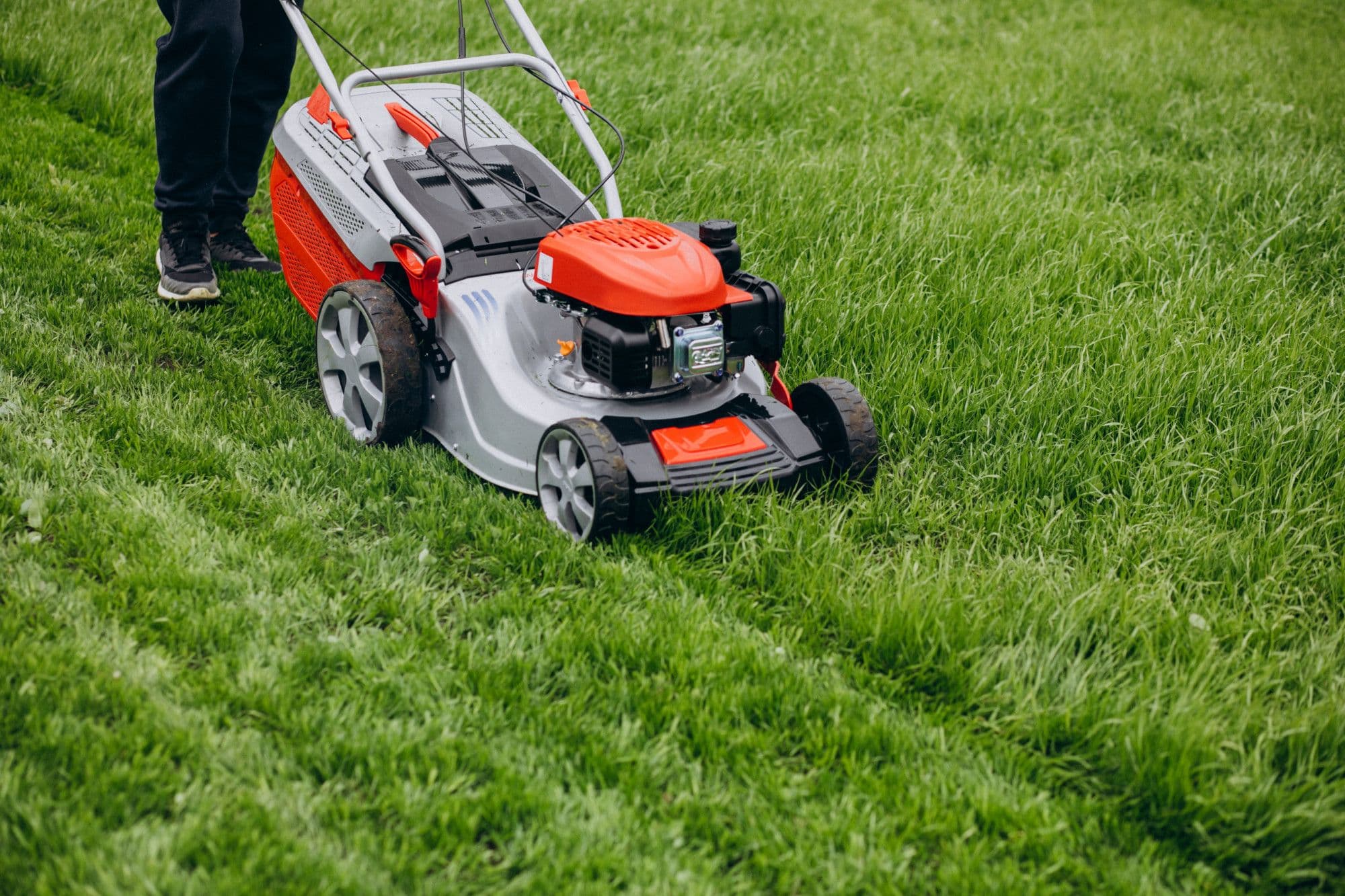
Best Time to Mow Lawn – A Complete Guide

5 min read · 10 Aug 2026

Best Time to Mow Lawn – A Complete Guide

Explore when to mow your lawn for its health and a pleasant green color. Find out the best time for this task during the summer heat, and follow practical tips for correctly cutting the grass, and learn common mistakes to avoid.

Plant Care
Best Time to Mow Lawn – A Complete Guide
12 Best Plants for Bathroom That Thrive in Humid Conditions

9 min read · 29 Sept 2026

12 Best Plants for Bathroom That Thrive in Humid Conditions

Discover the 12 best plants for bathroom spaces. Each pick comes with its own advantages, plus light, humidity, watering, and placement tips. Take a look and match the plant to your specific bathroom.

Plant Recommendations
12 Best Plants for Bathroom That Thrive in Humid Conditions