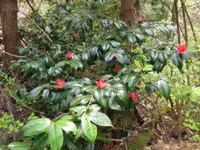


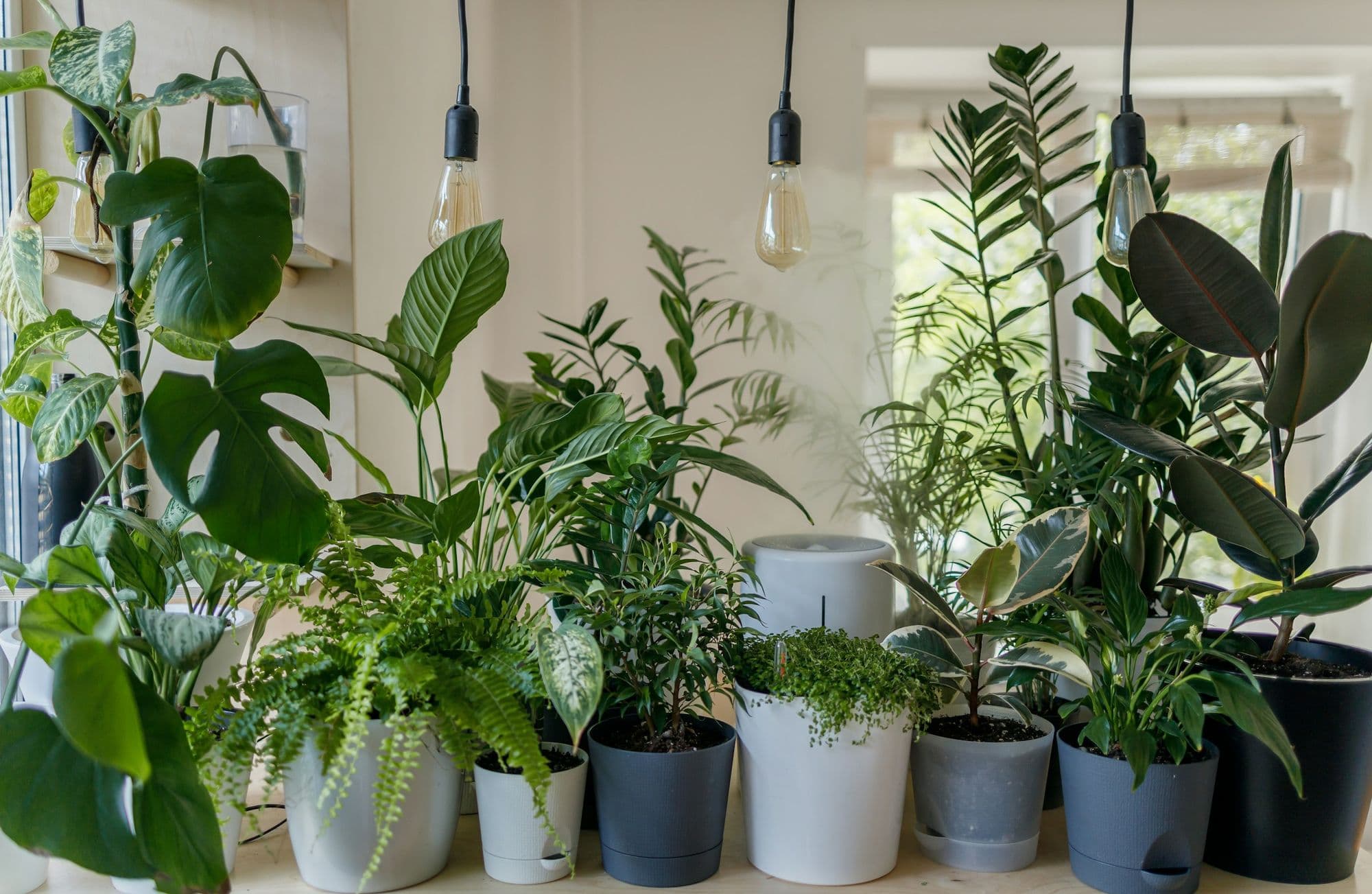
Japanese camellia (Camellia japonica) Light Needs

Japanese camellia grows best in partial shade with bright filtered light and gentle morning sun.

Light Preference

Partial Shade

Camellia japonica Light Requirements

In its native eastern Asian range, Japanese camellia grows in evergreen woodlands, forest edges, and sheltered slopes. It often receives filtered light through taller vegetation, with some seasonal sun when the sun is lower or surrounding growth is more open.

These conditions explain its preference in gardens: enough light to support buds and dense foliage, but protection from harsh afternoon sun. Preferred light is partial shade with bright filtered light.

  • Ideal exposure:

    Camellia japonica needs about 4–6 hours of bright filtered light daily, including 2–3 hours of gentle direct morning sun when available.

  • Direct sun:

    It tolerates mild morning sun, but strong afternoon sun can scorch leaves and fade flower color.

  • Open shade:

    Open shade is tolerated, although flowering is often lighter when light is too dim.

  • Seasonal sun:

    Cool-season sun is less intense, so slightly brighter winter exposure is usually safer than summer afternoon sun.

Excess light usually appears after hot afternoon sun or a sudden move into a brighter site.

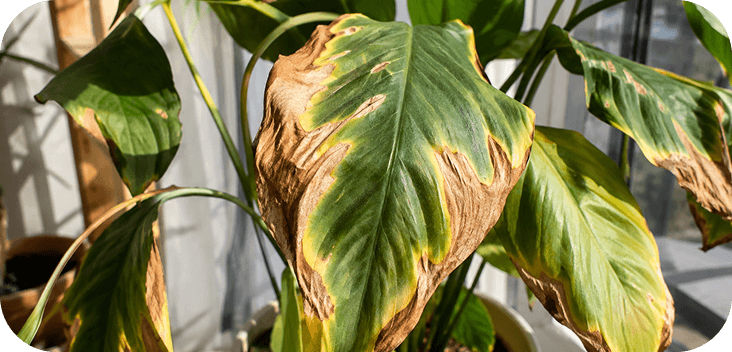
Scorched patches:

Sun-facing leaves may develop tan, papery, or brown areas where tissue has been burned.

Dull bronzing:

Glossy leaves can look bronzed or washed out on the most exposed side of the plant.

Heat droop:

Leaves may cup or droop during bright, hot afternoons, especially where reflected heat increases exposure.

Damaged blooms:

Open flowers can fade, brown at the edges, or collapse faster in strong direct sun.

Move the plant to filtered light or morning sun only. Use nearby shade or a light screen before the next hot afternoon.

Too little light is most noticeable during active growth and bud formation.

  • Sparse growth:

    New shoots may stretch with wider gaps between leaves, giving the shrub a thinner outline.

  • Fewer buds:

    Flower bud set can be weak, so the plant produces fewer blooms in season.

  • Small new leaves:

    Fresh growth may stay smaller and less firm than growth formed in brighter filtered light.

  • One-sided lean:

    Branches may angle toward the brightest opening, especially when shade is dense on one side.

Shift it to brighter filtered light, preferably with gentle morning sun. Avoid moving it straight into hot direct sun.

When ideal partial shade is not available, choose a site with morning sun and afternoon shade. Bright open shade is a better compromise than a hot, fully exposed spot.

Thin nearby overgrowth lightly if flowering is weak, or move a container a few feet toward brighter filtered light. Rotate container plants during the growing season to keep growth balanced.

A south- or west-facing wall with reflected heat is unsuitable because it intensifies afternoon sun.

Get Personalized Care Plan

Scan your plant to receive care tips personalized for your specific plant

FAQ

Japanese camellia light requirements are best met with partial shade, bright filtered light, and gentle morning sun. Protection from hot afternoon sun helps reduce leaf scorch and flower damage.

More Plant Light Guides

Get the Botan App

Discover how to care for your plants with Botan.

Botan app identifying a plant with a phone camera
Top 15 Plants That Don’t Need Sunlight

8 min read · 17 Sept 2026

Top 15 Plants That Don’t Need Sunlight

Some plants thrive in dim rooms, shaded corners, and places with indirect light. In this guide, you’ll explore the top 15 species best suited to low-light conditions and how to care for them.

Plant Recommendations
Top 15 Plants That Don’t Need Sunlight
Is Sugar Water Good for Plants?

4 min read · 14 Sept 2026

Is Sugar Water Good for Plants?

Sugar water may sound like an easy boost, but most rooted plants do not need extra sucrose. This guide explains how green tissues produce carbohydrates, when a sweetened solution can be useful, and why too much can cause problems.

Plant Care
Is Sugar Water Good for Plants?
Best Time to Mow Lawn – A Complete Guide

5 min read · 10 Aug 2026

Best Time to Mow Lawn – A Complete Guide

Explore when to mow your lawn for its health and a pleasant green color. Find out the best time for this task during the summer heat, and follow practical tips for correctly cutting the grass, and learn common mistakes to avoid.

Plant Care
Best Time to Mow Lawn – A Complete Guide