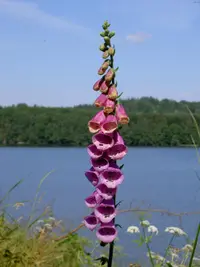



Foxglove (Digitalis purpurea) Light Needs

Foxglove grows best in partial shade with bright, open light and some gentle direct sun.

Light Preference

Partial Shade

Digitalis purpurea Light Requirements

In its native western and southwestern Europe, Digitalis purpurea often grows along woodland edges, banks, clearings, and open slopes. These sites receive bright light, broken sun, and cooler periods of shade rather than constant deep shade.

That background explains its garden preference. It can handle full sun in mild conditions, but strong afternoon heat is less ideal. Preferred light is partial shade with bright open exposure.

  • Ideal exposure:

    Foxglove needs about 6–8 hours of bright outdoor light daily, ideally partial sun or filtered light, including 2–4 hours of direct morning sun.

  • Full sun tolerance:

    Full sun is tolerated in cool, mild sites, especially when the plant is not suddenly moved from shade.

  • Shade tolerance:

    Light shade is acceptable, but dense shade often gives taller, weaker growth and fewer flower spikes.

  • Afternoon risk:

    Morning sun is safer than hot late-day sun, which can scorch or stress leaves in warm regions.

Strong sun can stress Digitalis purpurea, especially after a sudden move from shade.

Bleached patches:

Pale tan or whitish areas may appear on upper leaves most exposed to direct afternoon sun.

Scorched leaf surface:

Thin, dry-looking spots can develop where sunlight hits the leaf, rather than evenly across the plant.

Flattened growth:

Leaves may lie lower or look less upright during hot bright periods, then improve as light softens.

Faded flowers:

Flower color may wash out faster when spikes sit in harsh sun for much of the day.

Move the plant to partial shade or add light filtering during the hottest hours. Make changes gradually if it has been growing in lower light.

Too little light usually shows as weak structure before obvious leaf damage.

  • Stretched stems:

    New growth may become taller and looser as it reaches toward brighter light.

  • Wider spacing:

    Leaves can sit farther apart, giving the rosette or flowering stem a thinner look.

  • Reduced flowering:

    Flower spikes may be fewer or weaker when shade is too dense through the growing season.

  • Small new leaves:

    Fresh leaves may stay smaller when the plant receives only dim, indirect outdoor light.

  • Leaning growth:

    The plant may angle toward the brightest open side instead of staying upright.

Shift it to brighter partial shade or a place with gentle morning sun. Avoid moving Digitalis purpurea straight from deep shade into strong afternoon sun.

If ideal partial shade is not available, choose a site with morning sun and afternoon shade. This gives enough direct light for sturdy growth while reducing heat stress.

Thin nearby overhanging growth or move containers a few feet toward open sky to improve brightness without adding harsh afternoon sun.

Deep shade under solid structures is unsuitable because it limits flowering and encourages stretched growth.

Get Personalized Care Plan

Scan your plant to receive care tips personalized for your specific plant

FAQ

The best light for Foxglove is partial shade or partial sun: bright open light with several hours of gentle direct sun, especially in the morning.

Everything About Foxglove

More Plant Light Guides

Get the Botan App

Discover how to care for your plants with Botan.

Botan app identifying a plant with a phone camera
How To Revive a Dying Plant: 6 Steps To Bring A Plant Back To Life

6 min read · 1 Sept 2026

How To Revive a Dying Plant: 6 Steps To Bring A Plant Back To Life

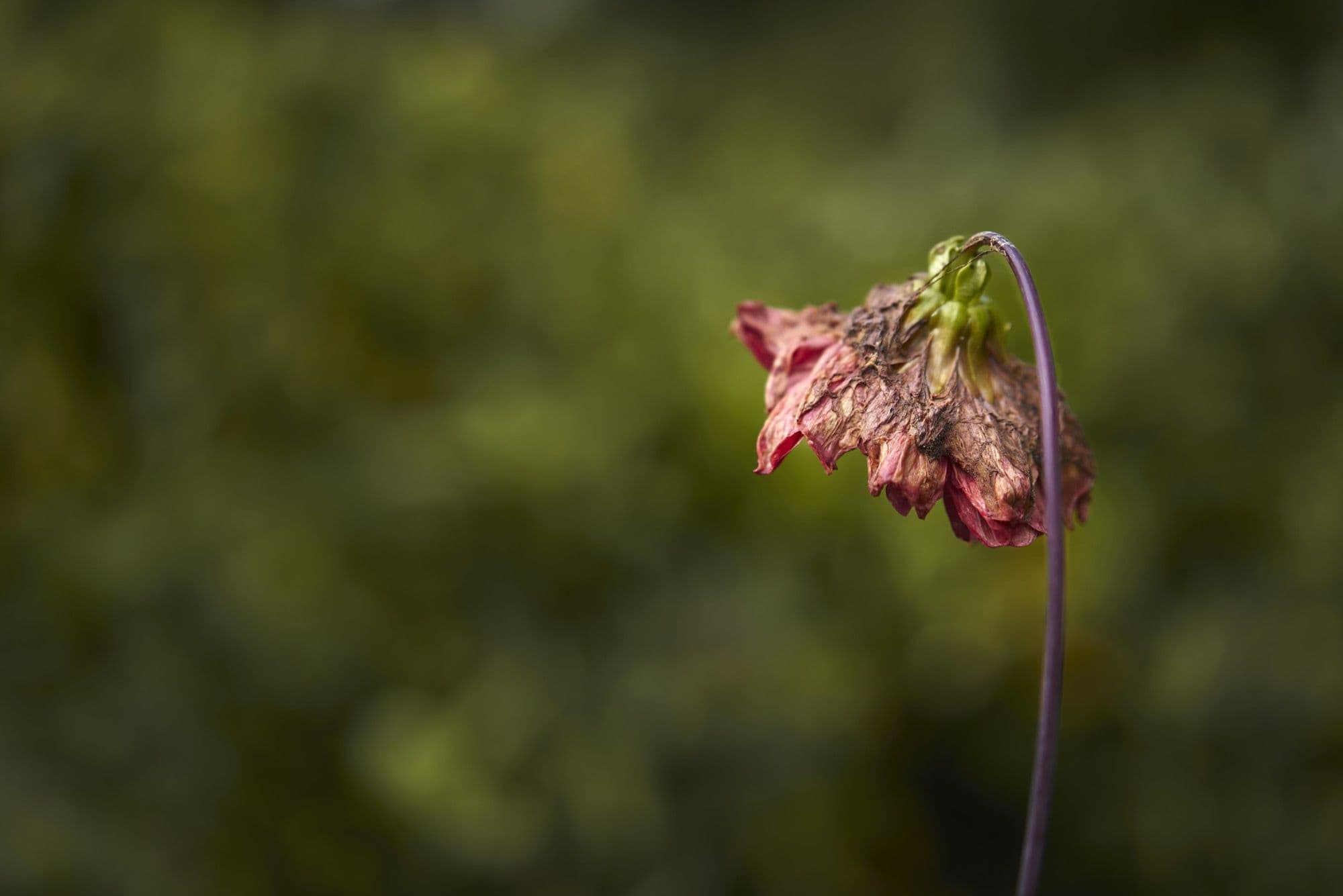
Drooping leaves and brown tips don't always mean the end, and a weakened plant can often recover with a little help. These six simple steps will help you revive a dying plant and restore its health.

Plant Care
How To Revive a Dying Plant: 6 Steps To Bring A Plant Back To Life
How to Increase Humidity for Plants – 8 Simple Ways That Work

8 min read · 14 Aug 2026

How to Increase Humidity for Plants – 8 Simple Ways That Work

Dry indoor air stresses a lot of houseplants. You usually notice it first in the browning leaf tips. This guide describes 8 simple ways to raise the moisture around your plants, from humidifiers to pebble trays.

Plant Care
How to Increase Humidity for Plants – 8 Simple Ways That Work
Top 15 Fast-Growing Trees For Your Garden

13 min read · 28 Jul 2026

Top 15 Fast-Growing Trees For Your Garden

Learn which of the 15 fastest-growing trees will suit your area. We’ll share detailed information on each: growth rate, mature spread, key tree demands, and main vulnerabilities. Read on and make the best choice possible.

Plant Recommendations
Top 15 Fast-Growing Trees For Your Garden