



Best Soil for Foxglove (Digitalis purpurea)

Digitalis purpurea grows best in loose, moisture-retentive yet well-drained soil that supports steady root growth and good overall vigor.

Soil Texture

Sandy, Loamy, Organic-rich

Soil pH

Acidic (5.5–6.5), Slightly acidic (6.5–7.0)

Soil Drainage

Moist but well-drained

Digitalis purpurea Soil Guide

Native to western and southwestern Europe, Digitalis purpurea often grows in woodland clearings, banks, and open ground where soil stays evenly moist but drains freely. Those conditions point to a loose, airy substrate that holds some moisture without becoming heavy or stagnant.

The best soil for Foxglove is loamy or sandy-loam with plenty of organic matter. Fine, fibrous roots benefit from oxygen around the root zone, so a structure that resists compaction is important. Slightly acidic to near-neutral soil also suits its natural growing conditions and supports steady root function.

A simple homemade mix can give Digitalis purpurea the balance of moisture retention and air space it needs in containers.

100% total mix = 20 scoops
15%
perlite or pumice3 scoops
20%
coarse sand4 scoops
25%
compost or leaf mold5 scoops
40%
high-quality potting soil8 scoops

The finished blend should feel crumbly and light, hold some moisture, and let excess water move through without staying soggy.

Foxglove prefers slightly acidic to mildly acidic soil, with an ideal range around 5.5–7.0 pH. This range helps key nutrients stay available without pushing the root zone too far toward acidity or neutrality.

Digitalis purpurea is fairly comfortable across that span, but growth is usually more balanced when pH stays moderately acidic rather than strongly alkaline.

Poor root-zone conditions can slow establishment and weaken flowering. Foxglove is especially less comfortable in stale, waterlogged soil around the crown.

Compacted soil:

Compacted soil: water sits on the surface or drains slowly, so gently loosen the top layer and improve air space in the root zone.

Waterlogged mix:

Waterlogged mix: a heavy, sour-smelling medium suggests excess moisture retention, so move the plant into a faster-draining growing medium as a first step.

Soil drying too fast:

Soil drying too fast: if the root area becomes dry soon after watering, add more organic material to help the mix hold moisture more evenly.

Crusted surface:

Crusted surface: a hard top layer can block water from soaking in well, so lightly break it up and refresh the upper layer with fresh mix.

Scan for Soil Tips

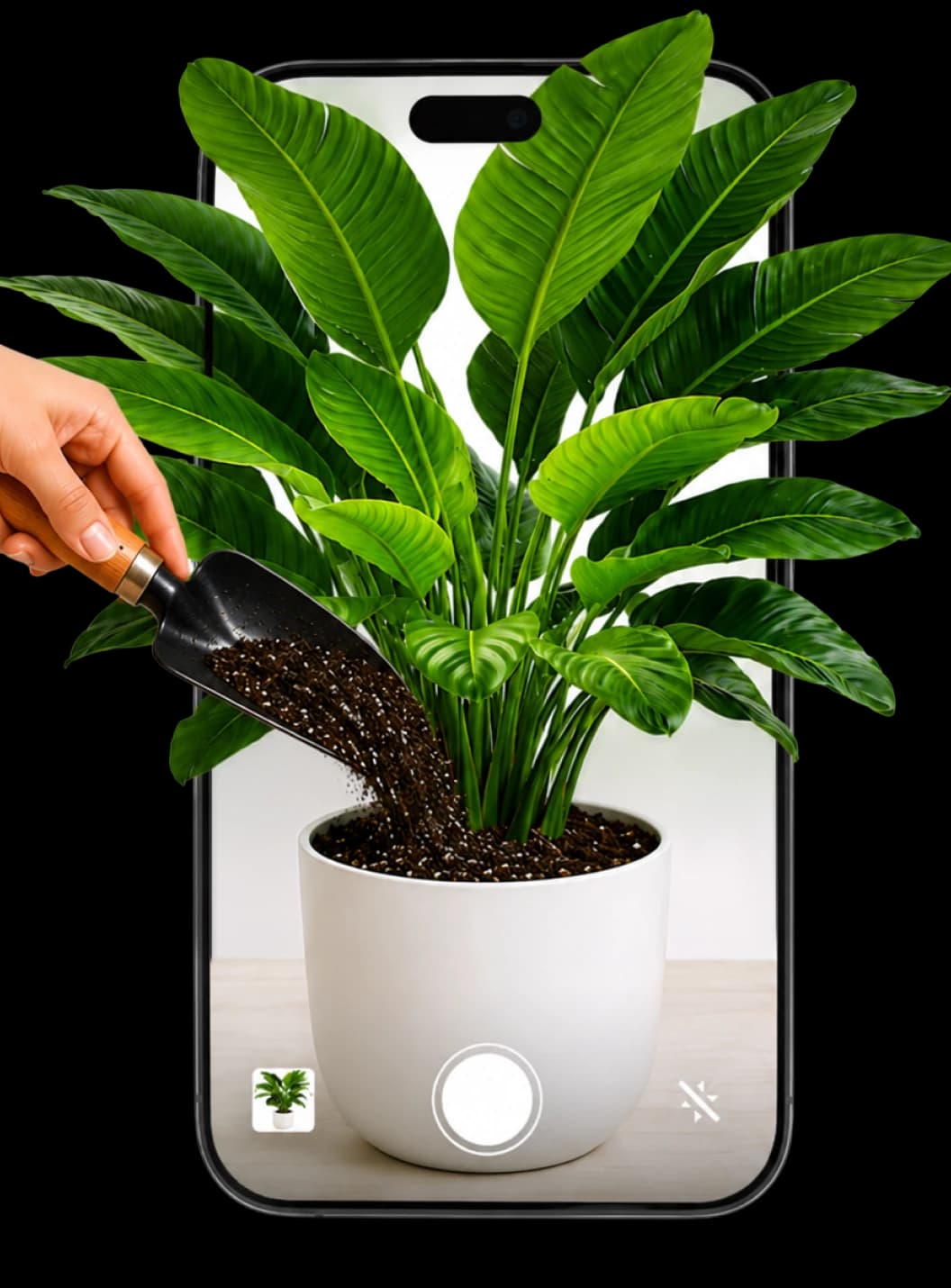
Botan can help assess your plant and guide you toward a soil setup that better matches its root and drainage needs.

FAQ

Yes. A deeper pot helps support a steadier root run and more even moisture than a very shallow one. It also reduces rapid surface drying, which can make Foxglove soil less consistent.

More Plant Soil Guides

Is Your Soil the Problem?

A photo check in Botan can help show whether soil conditions may be part of the issue and what to review next.

Botan app helping with soil and plant care
How to Group Plants in Landscaping: A Practical Layout Guide

8 min read · 31 Aug 2026

How to Group Plants in Landscaping: A Practical Layout Guide

Good plant grouping can mean the difference between a well-planned garden and one that looks sloppy. This guide explores layers, spacing, cluster shapes, and the plants that thrive when you group them.

Plant Care
How to Group Plants in Landscaping: A Practical Layout Guide
What Plants Don't Like Epsom Salt?

11 min read · 29 Jul 2026

What Plants Don't Like Epsom Salt?

Learn which plants can be seriously damaged by Epsom salt and which will thrive on it. We’ll explain when and how to use it properly, provide tips for indoor & outdoor plants — read on and enjoy a healthy garden.

Plant Care
What Plants Don't Like Epsom Salt?
How to Bottom Water Plants: Complete Guide

6 min read · 13 Jul 2026

How to Bottom Water Plants: Complete Guide

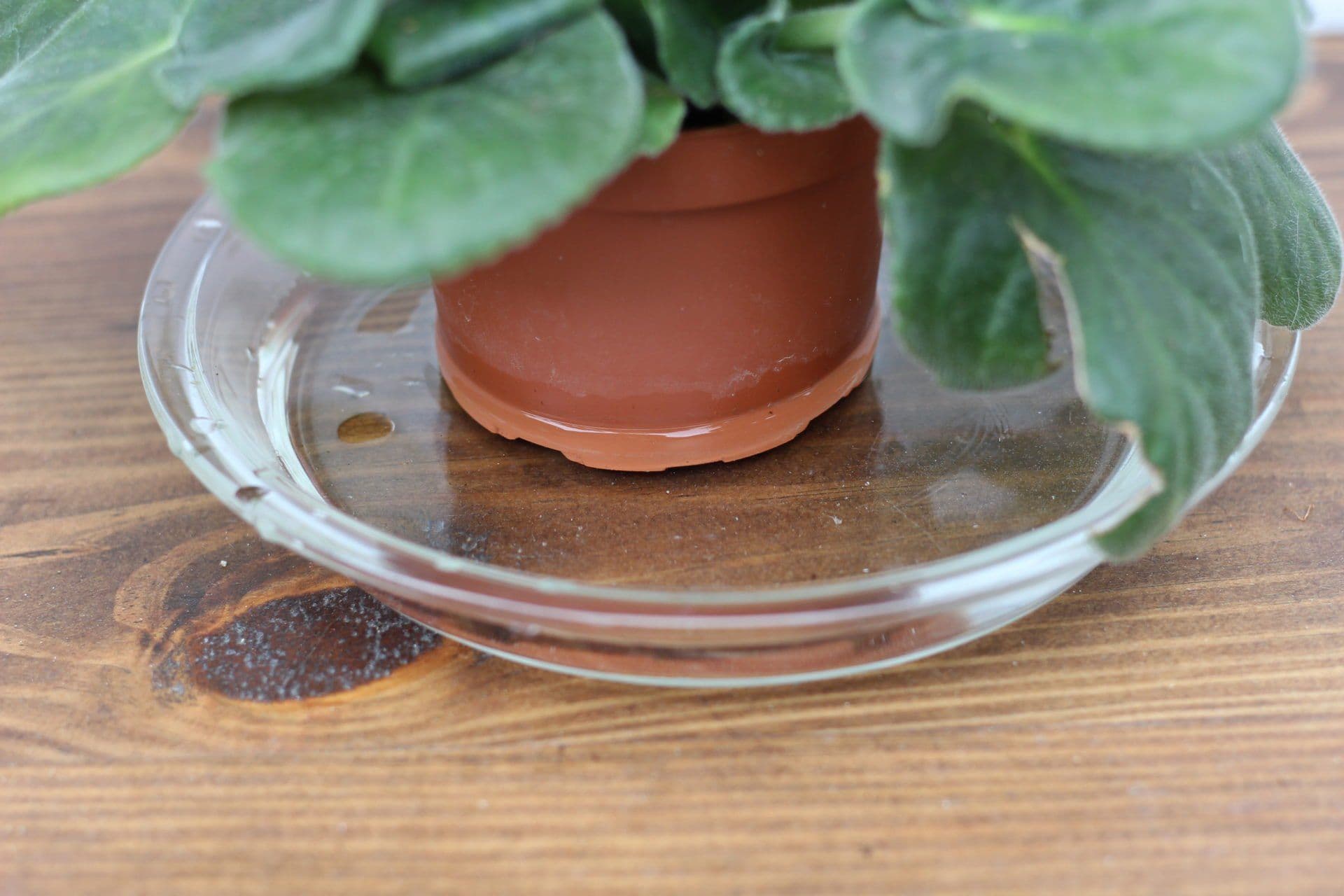
Bottom watering helps soil absorb moisture evenly and keeps foliage dry, reducing the risk of missed dry spots or root problems. Place the pot in a tray of water for a short time, then let it drain well.

Plant Care
How to Bottom Water Plants: Complete Guide