


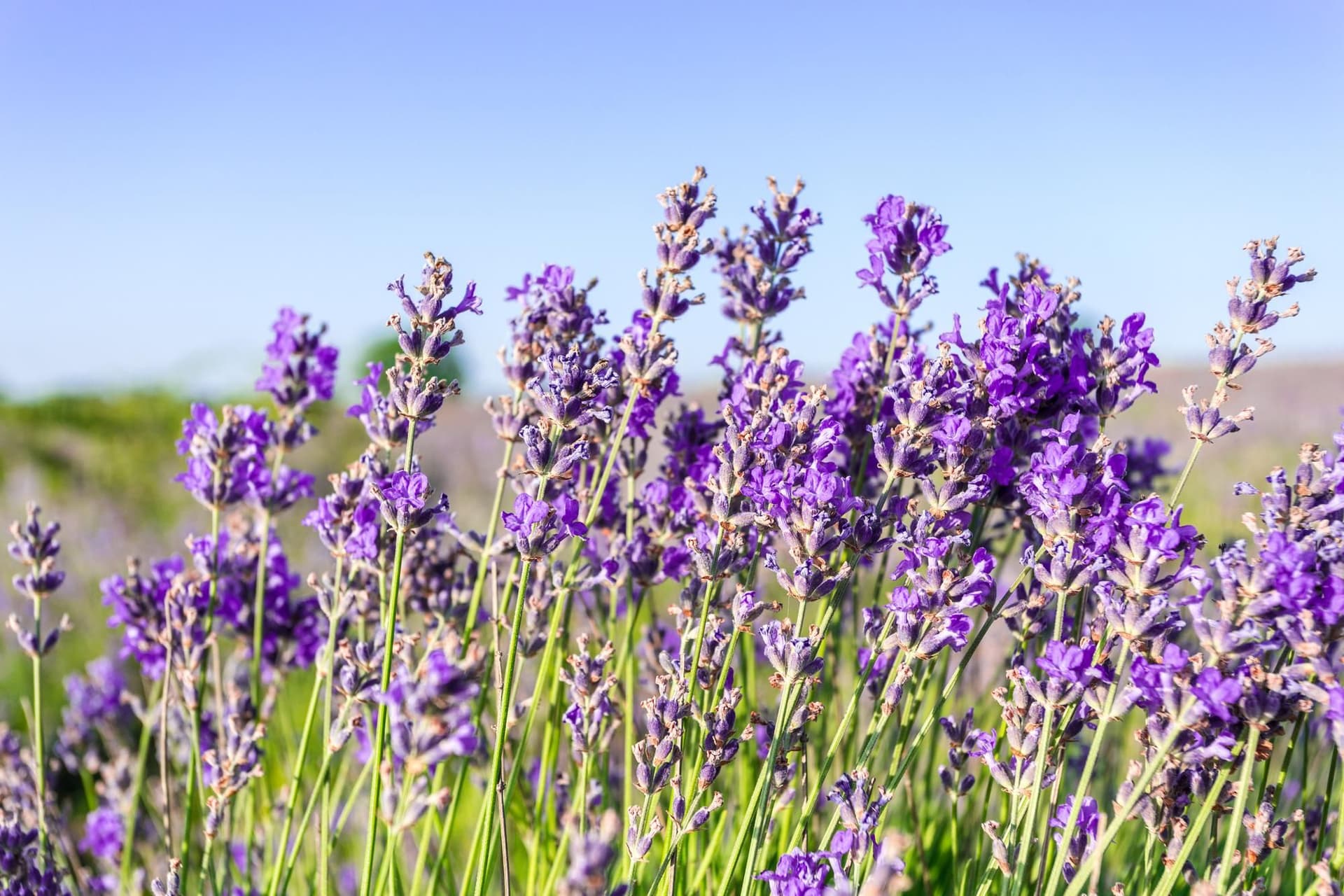
Best Soil for Russian Sage (Salvia yangii)

Salvia yangii grows best in gritty, fast-draining soil with a loose texture that supports healthy roots and steady air flow.

Soil Texture

Sandy, Loamy, Rocky

Soil pH

Slightly acidic (6.5–7.0), Slightly alkaline (7.0–7.5)

Soil Drainage

Well-drained

Salvia yangii Soil Guide

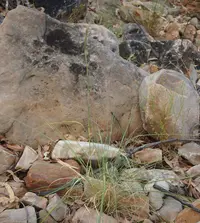
Native to central and southwestern Asia, Salvia yangii grows in dry, open landscapes with sandy, loamy, or rocky ground. That background explains why the best soil for Russian Sage is light, airy, and quick to drain rather than rich or moisture-retentive.

Its root system performs best where oxygen moves easily through the soil and excess water does not linger. A mineral-lean, well-drained Russian Sage soil supports steady growth, strong stems, and the dry conditions this species is adapted to handle.

A simple homemade mix can give Salvia yangii the fast drainage and loose structure it prefers in containers.

100% total mix = 20 scoops
10%
composted bark2 scoops
20%
coarse sand or small grit4 scoops
30%
perlite or pumice6 scoops
40%
coarse potting soil8 scoops

The finished blend should feel crumbly and open, not heavy or sticky, and excess moisture should move through it without pooling.

A good target for Russian Sage is about 6.5–7.5 pH. This places it in slightly acidic to slightly alkaline soil, where key nutrients stay available without becoming overly restricted.

Salvia yangii is fairly adaptable within that range, but extremes on either side can make nutrient uptake less efficient over time. Keeping pH near neutral supports balanced root function and steadier growth.

Most soil-related trouble with this species starts below the surface, especially when roots stay crowded or air circulation in the root zone is limited.

Compacted soil:

Dense soil can hold too little air and too much moisture, so if growth seems weak, gently loosen the surface and refresh part of the mix.

Waterlogged root zone:

If the soil stays wet for long periods, roots may struggle, so check drainage first and let the mix dry more freely.

Crusted surface:

A hard top layer can slow air and water movement, and for Russian Sage it helps to lightly break the crust and improve surface texture.

Exhausted mix:

Old container soil can collapse and lose structure, so if it looks fine-textured and tired, replace it with a fresher, more open medium.

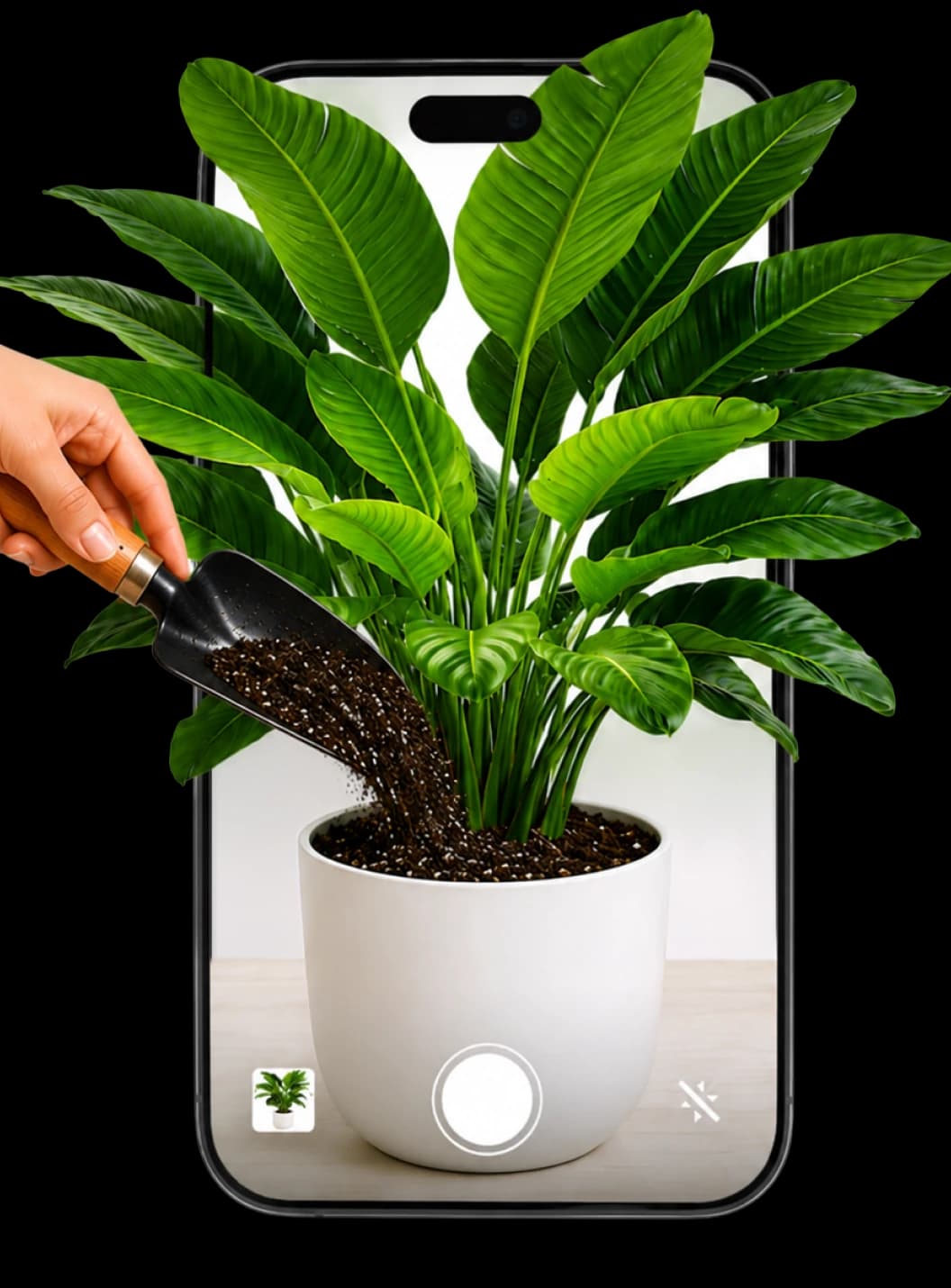
Scan for Soil Tips

Botan can help identify the plant and guide a more suitable soil choice based on how this species typically grows.

FAQ

Yes. A pot with enough depth gives roots room to spread downward and helps the soil column drain more evenly, while very shallow containers can dry unevenly and limit long-term stability.

Everything About Russian Sage

More Plant Soil Guides

Wrong Soil? Check It.

Use Botan’s photo check to see whether soil conditions may be part of the problem and what to review next.

Botan app helping with soil and plant care
12 Best Plants That Repel Spiders For Your Home and Garden

8 min read · 24 Jul 2026

12 Best Plants That Repel Spiders For Your Home and Garden

Spiders constantly appear in places you don't want them. A few common plants can help repel them using scent alone. Here are 12 options suitable for both indoors and outdoors, plus care tips for each.

Plant Recommendations
12 Best Plants That Repel Spiders For Your Home and Garden
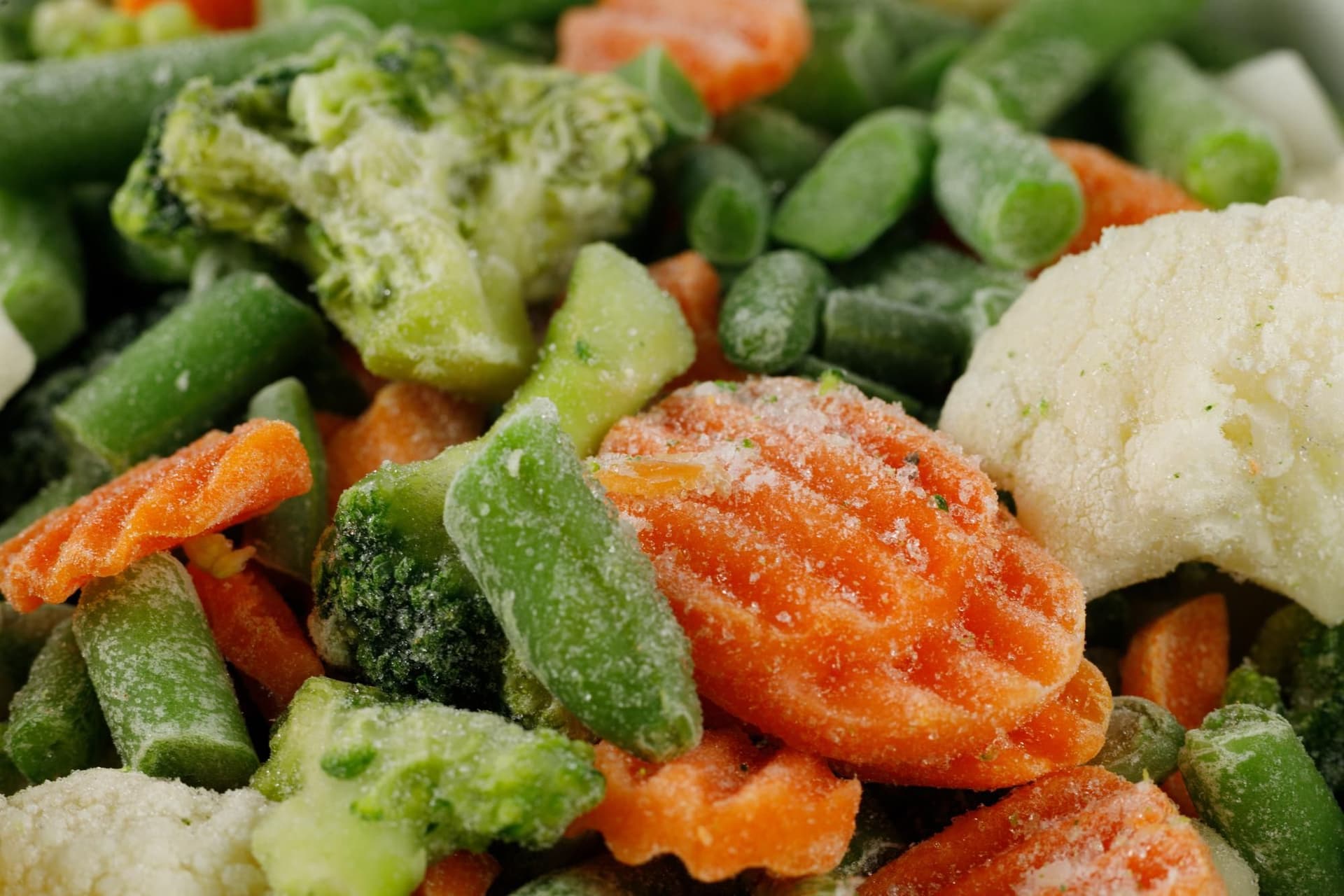
Frozen vs Fresh Vegetable Nutrients: Which Option Is Healthier?

6 min read · 8 Sept 2026

Frozen vs Fresh Vegetable Nutrients: Which Option Is Healthier?

Frozen and fresh vegetables are nutritionally comparable: frozen produce often retains vitamins just as well as fresh and may sometimes contain more. Here’s how blanching and storage affect nutrients—and when to choose each.

Plant Recommendations
Frozen vs Fresh Vegetable Nutrients: Which Option Is Healthier?
What Do Plants Need to Grow – 5 Things Every Greenery Can't Live Without

8 min read · 31 Jul 2026

What Do Plants Need to Grow – 5 Things Every Greenery Can't Live Without

To keep plants healthy and thriving, provide the right balance of light, humidity, nutrients, airflow, and quality soil. This guide covers the essentials of year-round plant care.

Beginner Guides
What Do Plants Need to Grow – 5 Things Every Greenery Can't Live Without