


Best Soil for Lemon Grass (Cymbopogon ambiguus)

Cymbopogon ambiguus grows best in loose, sharply drained soil with a mildly acidic reaction that supports steady root development.

Soil Texture

Sandy, Loamy, Rocky

Soil pH

Acidic (5.5–6.5), Slightly acidic (6.5–7.0)

Soil Drainage

Well-drained

Cymbopogon ambiguus Soil Guide

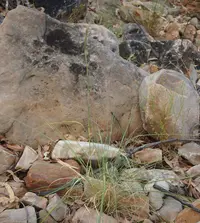
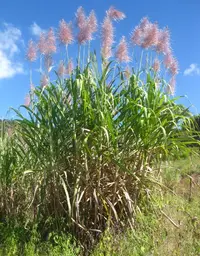
Native to inland Australia, Cymbopogon ambiguus grows in open, sunny areas where soils are often sandy, loamy, or rocky and water moves through quickly. That background points to a loose, mineral-rich substrate with good airflow around the roots.

The best soil for Lemon Grass is well-drained and moderately moisture-retentive rather than dense or soggy. As a clumping grass, its fibrous root system performs best in soil that stays open, letting roots spread easily while still holding enough moisture for steady growth.

A simple homemade mix gives Cymbopogon ambiguus the fast drainage and root-zone airflow it prefers in containers.

100% total mix = 20 scoops
10%
composted bark fines2 scoops
20%
perlite or pumice4 scoops
30%
coarse sand or grit6 scoops
40%
coarse potting soil8 scoops

The finished blend should feel loose, crumbly, and slightly gritty, with water moving through quickly instead of pooling around the roots.

A good target for Lemon Grass is about 5.5–7.0 pH, with the strongest performance usually in slightly acidic soil. That range supports access to key nutrients without making the root zone chemically harsh.

If pH drifts far outside that window, some nutrients become harder for the plant to absorb even when they are present in the soil.

This species handles lean ground better than stale, airless root conditions. When growth seems off, checking the soil is a useful first step.

Compacted soil:

If the surface crusts or water sits briefly before soaking in, loosen the top layer gently and move future growth into a more open mix.

Soggy root zone:

A pot that stays heavy for too long can point to poor airflow below the surface, so check drainage holes and let excess water escape fully.

Hydrophobic mix:

If very dry soil shrinks from the pot edge and sheds water, rewet it gradually in stages until moisture spreads evenly again.

Salt buildup:

A white crust on the surface may mean minerals are accumulating, so scrape off the top layer and flush the mix thoroughly once.

Find the Right Soil

Botan helps match this plant to a more suitable growing medium based on its needs, so soil choices are easier to narrow down.

FAQ

Yes. Drainage holes help excess water leave the container, which keeps the root zone from staying waterlogged and preserves the open structure that suits this species.

More Plant Soil Guides

Soil Problem? Scan It.

A quick photo check can help show whether growing conditions may be part of the issue. Botan reviews visible stress alongside likely care factors.

Botan app helping with soil and plant care
Best Time to Mow Lawn – A Complete Guide

5 min read · 10 Aug 2026

Best Time to Mow Lawn – A Complete Guide

Explore when to mow your lawn for its health and a pleasant green color. Find out the best time for this task during the summer heat, and follow practical tips for correctly cutting the grass, and learn common mistakes to avoid.

Plant Care
Best Time to Mow Lawn – A Complete Guide
12 Best Plants That Repel Spiders For Your Home and Garden

8 min read · 24 Jul 2026

12 Best Plants That Repel Spiders For Your Home and Garden

Spiders constantly appear in places you don't want them. A few common plants can help repel them using scent alone. Here are 12 options suitable for both indoors and outdoors, plus care tips for each.

Plant Recommendations
12 Best Plants That Repel Spiders For Your Home and Garden
Dill Companion Plants – What to Grow Next to Dill

9 min read · 17 Jul 2026

Dill Companion Plants – What to Grow Next to Dill

Dill is an easy-to-grow plant that gets along well with many vegetables. This guide describes 15 plants that can be planted alongside it, a few to avoid, and mistakes that can quietly sabotage the entire process.

Plant Recommendations
Dill Companion Plants – What to Grow Next to Dill