




Best Soil for oregano (Origanum vulgare)

Origanum vulgare grows best in loose, well-drained soil that supports healthy roots and prevents excess moisture from lingering around them.

Soil Texture

Sandy, Loamy, Rocky

Soil pH

Slightly acidic (6.5–7.0), Slightly alkaline (7.0–7.5)

Soil Drainage

Well-drained

Origanum vulgare Soil Guide

Native to Europe, western Asia, and the Mediterranean region, Origanum vulgare often grows in open, sunny places with lean, rocky, or sandy ground. That background explains why it prefers soil that drains quickly and stays airy rather than dense or moisture-holding.

Its roots are relatively fine and do best in loose, well-drained soil where oxygen can move easily. The best soil for oregano is sandy or loamy with some mineral grit, modest organic matter, and a slightly acidic to slightly alkaline reaction.

A simple homemade mix gives Origanum vulgare the fast drainage and root-zone airflow it handles well in containers.

100% total mix = 20 scoops
10%
fine gravel2 scoops
20%
perlite or pumice4 scoops
30%
coarse sand6 scoops
40%
potting soil8 scoops

The finished blend should feel crumbly, gritty, and light in the hand, with water moving through quickly instead of lingering in the container.

A good target is 6.5–7.5 pH. This species handles slightly acidic to slightly alkaline soil well and often performs best near neutral, where key nutrients stay available without becoming overly limited.

For oregano, keeping pH in that range supports steady uptake of nutrients such as calcium, magnesium, and phosphorus. Small shifts are usually tolerated, but strongly acidic or strongly alkaline conditions can reduce nutrient availability over time.

This species is more likely to struggle in stale, airless media than in lean soil. Check the root zone first when growth seems off.

Compacted soil:

Dense media can slow root function and trap excess moisture; gently loosen the surface and consider replacing part of the mix with a more open medium.

Staying wet too long:

If the container feels heavy for days or the surface remains damp, improve airflow around roots and check that drainage is unobstructed.

Crusted soil surface:

A hard top layer can limit air exchange and slow water entry; lightly break the crust and refresh the upper layer with a looser material.

Old depleted mix:

When oregano stalls in the same soil for a long time, structure may break down; refresh with new mix that restores air spaces and even moisture movement.

Better Soil Starts Here

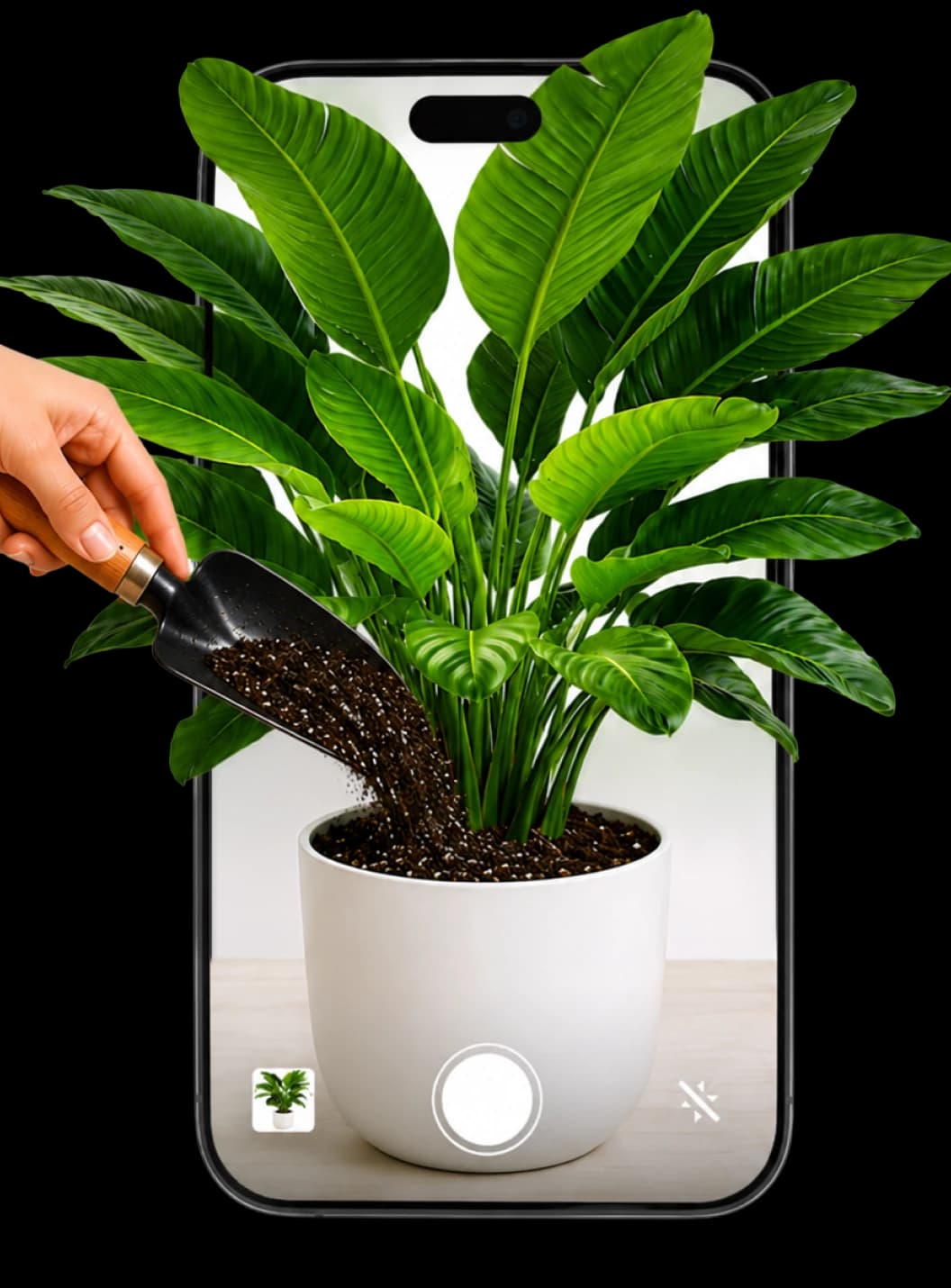
Botan helps match this plant to a more suitable growing medium, so soil choices are based on its needs, not guesswork.

FAQ

Yes. Drainage holes let excess water leave the container and help air reach the root zone. Without them, the mix stays wet longer and root stress becomes much more likely.

Everything About oregano

More Plant Soil Guides

Check What the Soil Is Doing

A photo check in Botan can help you see whether the growing medium may be part of the problem before conditions worsen.

Botan app helping with soil and plant care
Plant Pot Sizes: How to Choose the Right Plant Container

7 min read · 20 Aug 2026

Plant Pot Sizes: How to Choose the Right Plant Container

Plant pot sizes can be confusing because the number on the label only tells you part of the required information. A container may look spacious but actually be too shallow. So, how to choose pot size for plant species?

Beginner Guides
Plant Pot Sizes: How to Choose the Right Plant Container
How to Increase Humidity for Plants – 8 Simple Ways That Work

8 min read · 14 Aug 2026

How to Increase Humidity for Plants – 8 Simple Ways That Work

Dry indoor air stresses a lot of houseplants. You usually notice it first in the browning leaf tips. This guide describes 8 simple ways to raise the moisture around your plants, from humidifiers to pebble trays.

Plant Care
How to Increase Humidity for Plants – 8 Simple Ways That Work
Can Plants Grow With Artificial Light?

6 min read · 15 Sept 2026

Can Plants Grow With Artificial Light?

Plants can grow under artificial light when the setup provides a suitable spectrum, enough intensity, and sufficient daily exposure. This guide explains how artificial lighting compares with sunlight, which options work indoors, and how to match a setup to houseplants.

Plant Care
Can Plants Grow With Artificial Light?