Frozen vs Fresh Vegetable Nutrients: Which Option Is Healthier?
Frozen and fresh vegetables are nutritionally comparable: frozen produce often retains vitamins just as well as fresh and may sometimes contain more. Here’s how blanching and storage affect nutrients—and when to choose each.

On this page
- Frozen vs Fresh Vegetables: Nutrition Comparison
- Are Frozen Vegetables as Healthy as Fresh Vegetables?
- How Freezing Affects Vegetable Nutrients
- Which Nutrients Are Most Sensitive?
- Impact of Long-Term Freezing on Nutrition
- How Storage Affects Fresh Vegetable Nutrition
- How to Choose Healthy Frozen Vegetables
- Buying Vegetables: Fresh vs Frozen
So which really wins on frozen vs fresh vegetable nutrients? Spoiler: the gap is tiny. Below, you'll see how blanching and cold storage nudge the vitamins in your cart, plus when to grab which — no food-science degree required.
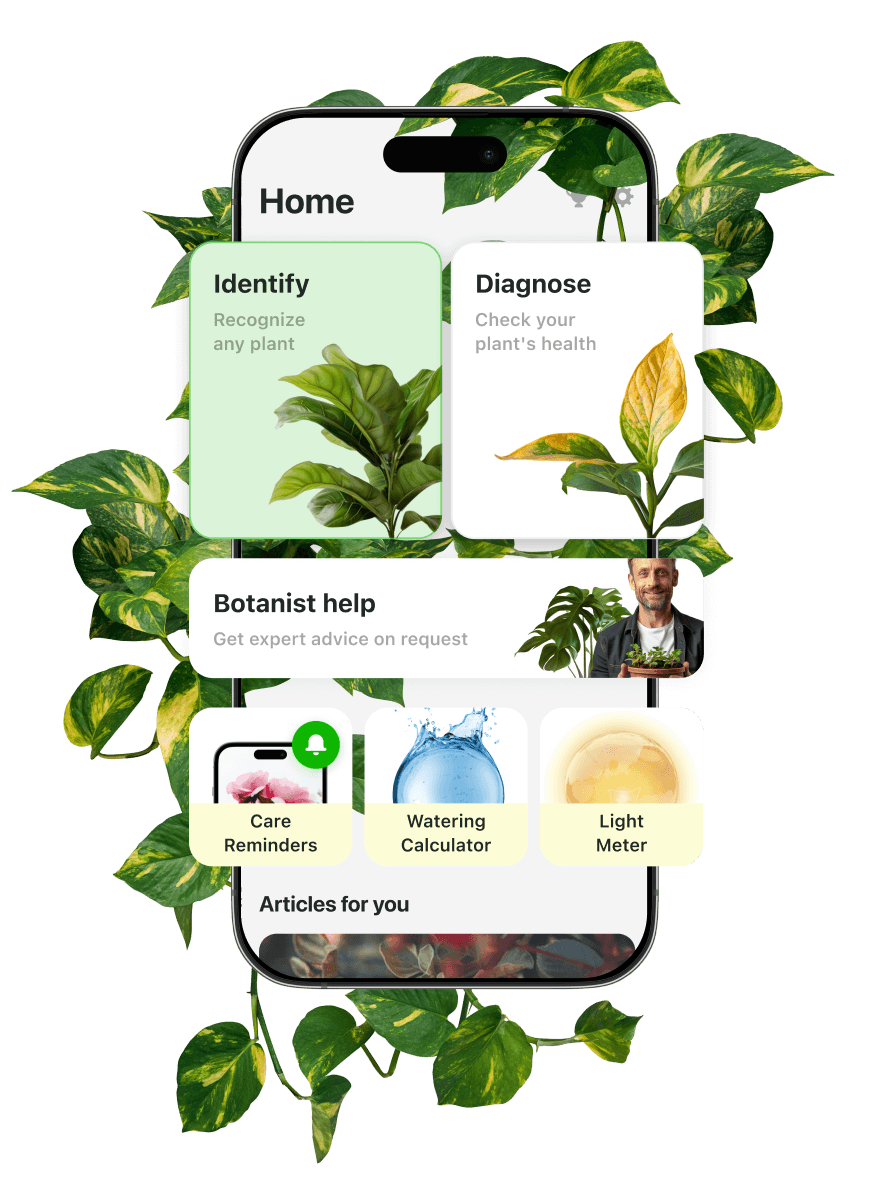
Put frozen vs fresh vegetable nutrients head-to-head, and the difference is smaller than the freezer aisle's reputation suggests. Most plain frozen produce holds its own against fresh, and on a few vitamins it quietly wins. Botan helps with plant and vegetable identification, while this guide answers the nutrition side.
Frozen vs Fresh Vegetables: Nutrition Comparison
The table below stacks frozen vs fresh vegetables against the factors that actually move the nutrition needle. Treat it as a rough guide, not gospel. Spinach handles the freezer differently than a bell pepper does, so the top pick keeps swapping depending on what's in your hand.
Comparison Factor | Fresh Vegetables | Frozen Vegetables | Which Is Better? |
Nutrient content at harvest | Usually highest right after harvest | Usually high, since crops are processed soon after picking | Both can be highly nutritious |
Vitamin retention during storage | Declines over days in transit and on shelves | Well preserved for months at 0°F | Frozen for longer storage |
Vitamin C and B vitamins | High if eaten quickly | Some loss from blanching, then stable | Depends on time to plate |
Fiber and minerals | Stable | Stable | Roughly equal |
Convenience and food waste | More prep, spoils faster | Pre-cut, long shelf life, less waste | Frozen for convenience |
Start here, then tweak it for the veg that actually lands in your basket week after week.
Identify Vegetables Quickly
Just take a photo and get the results!


Keep Plants Thriving
Get simple care guidance tailored to each plant’s needs in the app
Are Frozen Vegetables as Healthy as Fresh Vegetables?
Yes — for the meals you actually cook on a Tuesday night, plain frozen vegetables are about as healthy as fresh. Are frozen vegetables like broccoli as healthy as fresh produce down to the last microgram of every nutrient? Nope. On your plate, though, that gap is too small to taste or notice.
Most get picked at peak ripeness and frozen within hours, sometimes right at the field's edge, which traps the vitamins and minerals before they start slipping away. In one analysis of eight fruits and vegetables, researchers found no significant nutrient differences between frozen and fresh-stored produce.
So, still wondering whether frozen veggies like Mung beans are good for you? They pull their weight in a healthy diet, no asterisk needed. Grab the plain, unsalted bags and you keep frozen vegetables healthy and fuss-free.

How Freezing Affects Vegetable Nutrients
So, do frozen vegetables lose nutrients along the way? A bit, but nowhere near as much as the freezer's bad rap suggests. Before freezing, most vegetables go through blanching — a short exposure to hot water or steam that slows enzyme activity, preserves color, and protects quality during storage.
Freezing on its own doesn't gut the nutrition. Here's the rundown, group by group:
- Fiber stays generally stable.
- Minerals remain relatively stable.
- Fat-soluble vitamins (A, E, and K) are often well preserved.
- Some vitamin C and B vitamins can decline during blanching.
- Antioxidant levels may rise, fall, or hold steady, depending on the vegetable and method.
So does freezing vegetables destroy nutrients? Not really. Most frozen vegetables' nutrient loss comes down to that quick blanch, not the deep freeze, and even that hit is small.
Which Nutrients Are Most Sensitive?
The nutrients that suffer most are the ones that hate water and heat. Vitamin C and a couple of B vitamins, folate and thiamin, leach into cooking water and fizzle under high temps, so a rolling blanch is where the losses pile up.
Fat-soluble vitamins and the minerals? They barely flinch. Fruit plays out much the same. Does freezing fruit take away nutrients? Barely.
Impact of Long-Term Freezing on Nutrition
Freezing hits the brakes on nutrient breakdown, hard, but it can't stop the clock completely. At 0°F, quality and most vitamins sit tight, though texture and taste do soften a touch as the months stack up.
For the best nutrition and taste, use frozen fruits and vegetables within 8 to 12 months. After that it's still safe to eat, but a bag shoved to the back of the freezer for two years won't taste anything close to a fresh batch.

How Storage Affects Fresh Vegetable Nutrition
“Fresh” rarely means picked this morning. Those fresh veggies under the store lights could be a week or two past harvest by the time you grab them, and every stop along the way quietly siphons off nutrients.
Typical stops along the way include:
- Transport from farm to region
- Time in distribution centers
- Days on store shelves and in displays
- Storage in your own refrigerator
Every stop bathes produce in light and warm air, and that slowly gnaws at vitamin C and a few antioxidants. The exact loss depends on the vegetable and the conditions, and sturdy roots like carrots (Daucus carota) hold up far longer than delicate leafy greens. Eat fresh produce within a few days of buying it and you catch it near its best.
How to Choose Healthy Frozen Vegetables
The label does most of the talking. To weigh the advantages and disadvantages of frozen vegetables, stick with the plain bags and dodge the buttery sauces. On the pack, scan for:
- A short ingredient list, ideally just the vegetable
- No added salt, sugar, butter, or cream sauces
- “Flash-frozen” or “frozen at harvest” wording when available
- Firm, loose pieces inside the bag rather than a solid clump
One frozen brick usually means the bag thawed and refroze somewhere along the line, one of the real disadvantages of frozen vegetables for texture and quality. Craving something saucier? Doctor them yourself after cooking with a little olive oil and a squeeze of lemon, so the salt and fat stay on your terms.

Buying Vegetables: Fresh vs Frozen
One rule sorts most of it: match the form to how and when you'll actually eat it. Fresh earns its spot for salads and anything you're cooking in the next day or two. Frozen shines when you're stockpiling for chaotic weeks, or you're just tired of tossing wilted spinach in the trash.
Honestly, most kitchens run smoothest on both. Burn through your fresh veggies in the first few days after a shop, then let the freezer carry you to the weekend. You get the nutrition and the flavor without picking a side, and your wallet barely notices.
FAQ
Usually not. Most frozen vegetables get washed and blanched before they're bagged, so they go straight from freezer to pan. Give them a rinse only if the label asks for it, or if you'd rather knock off the ice crystals first.
Alex Yar
Plant Expert
7+ years of experience studying plants, researching their diseases, and examining their characteristics.
Alex is a plant expert and writer with more than 7 years of experience studying plants, their growing requirements, and their responses to environmental conditions. His areas of expertise include plant care, disease recognition, stress diagnosis, pest-related problems, and the distinctive characteristics of different species.
Over the years, Alex has developed a strong practical understanding of how light, temperature, humidity, watering, soil conditions, and nutrition affect plant health. He combines careful observation with in-depth research to explain effective care and recovery methods.
Alex has extensive hands-on experience caring for houseplants. His articles translate complex botanical topics into clear guidance that helps you better understand your plants and recognize early warning signs.
Related Articles
4 min read · 20 Oct 2026
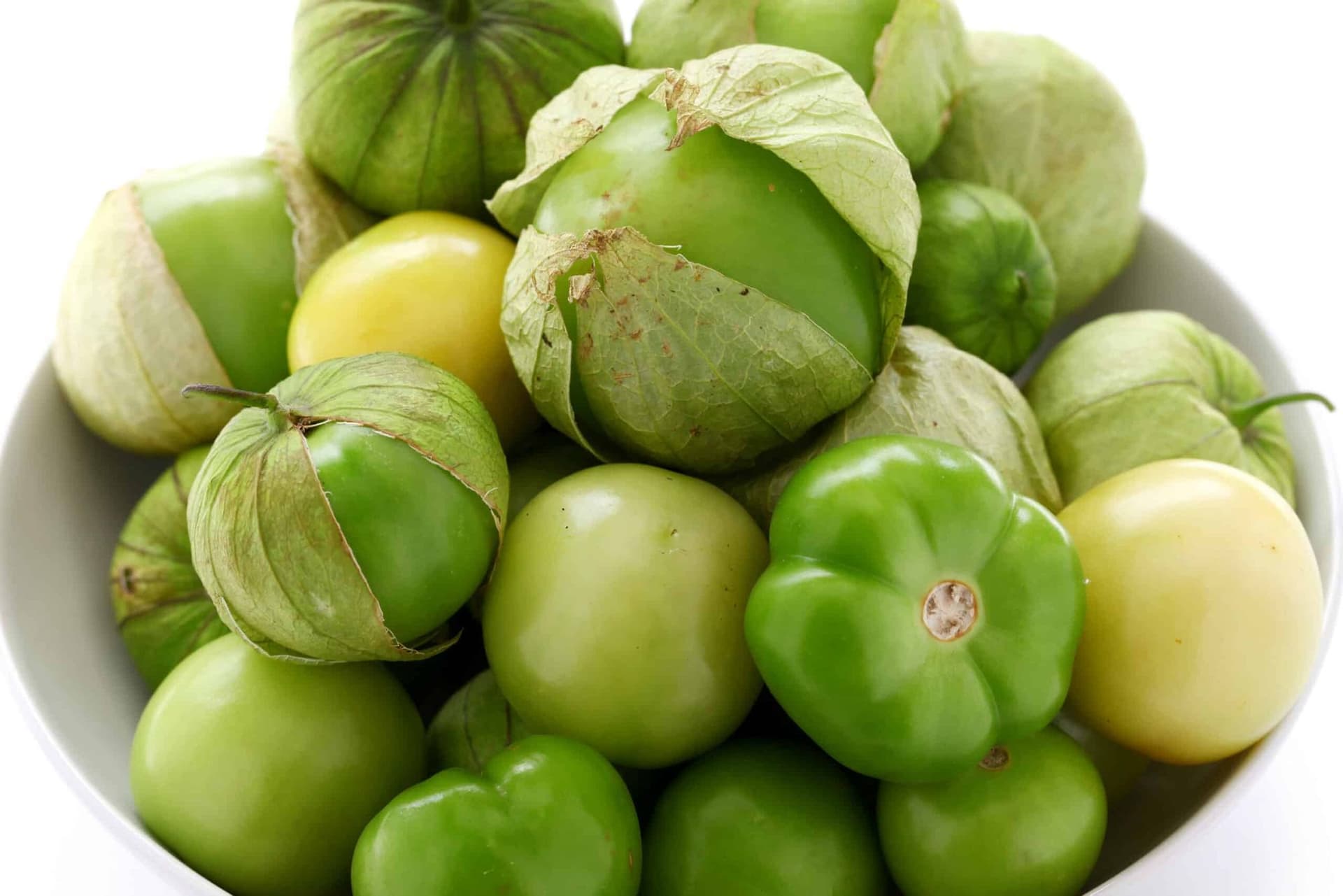
When to Harvest Tomatillos: How to Tell When They're Ripe
Tomatillos grow inside papery husks, making it hard to judge ripeness at a glance. This guide explains how to know when tomatillos are ripe and offers practical advice on harvesting and storage.
8 min read · 16 Oct 2026
20 Funny Plant Names That Make You Laugh
Some plants carry names that sound like jokes. This guide explains the origins of 20 funny plant names. You will also see which of these plants you can grow at home.
7 min read · 13 Oct 2026
12 Best Cold-Hardy Vegetables for Cold Weather
Cold-hardy vegetables can keep a garden productive through chilly fall, winter, and early spring weather. This guide covers 12 reliable crops, their frost tolerance, and practical growing tips for better cold-season harvests.
Explore Plants by Care Needs



Identify the plant and problem. Help your plant recover
Identify plant problems early, understand what's wrong, and get clear care guidance. Botan helps you turn guesswork into confident plant care