rocoto Care (Capsicum pubescens)

Also known as: tree pepper, rocoto pepper
rocoto

About rocoto

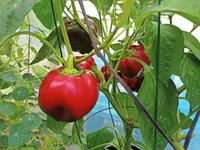
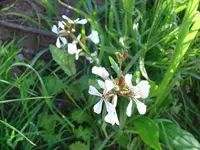
Rocoto, or Capsicum pubescens, is a perennial chili pepper grown for its thick-walled, typically very hot fruits. It forms a shrubby, branching plant with purple flowers and dark, often black seeds.

This species originates from cooler highland regions of Central and South America, where it tolerates lower temperatures better than most peppers. Its hairy leaves and sturdy stems help it handle wind and cooler nights.

Rocoto can be more demanding than common peppers, as it prefers stable cool to mild conditions and dislikes extreme heat or frost. It grows best in bright light, evenly moist but well-drained soil, and benefits from sheltered conditions. Understanding these traits makes it easier to care for rocoto successfully.

Main Plant Requirements

Care Difficulty

Moderate Care

Light Preference

Full Sun

Water Requirements

Moderate Water

Temperature Preference

Tropical / Frost Sensitive

Hardiness Zone

10–12

Soil Texture

Loamy, Sandy, Organic-rich

Soil pH

Acidic (5.5–6.5), Slightly acidic (6.5–7.0)

Soil Drainage

Moist but well-drained

Fertilization

Moderate (every 2–4 weeks)

Get Personalized Care Plan

Scan your plant to receive care tips personalized for your specific plant

Available on iOS and Android

How to Care for the rocoto

Capsicum pubescens needs bright, cool sun conditions to flower and fruit well.

  • Provide 4–6 hours of direct morning sun with light afternoon shade; strong late-day summer sun can scorch leaves and pods.
  • In hot climates, use filtered light or 30–40% shade cloth during mid-afternoon to prevent leaf curl and sunscald, especially on rocoto fruits.
  • In cooler seasons, maximize exposure by avoiding shade from buildings or trees, as low light leads to lanky growth and few flowers.

Capsicum pubescens prefers evenly moist, well-drained soil without staying soggy.

  • Water when the top 3–5 cm of soil feels dry, soaking the root zone, then let excess drain away to prevent root rot.
  • In hot, windy weather, check soil daily; in cooler seasons, expect slower drying and reduce frequency while still avoiding complete drought.
  • Watch leaves: persistent wilting with dry soil suggests underwatering, while yellowing, soft stems, or sour-smelling soil indicate overwatering.

This species thrives in cool to mild conditions and does not tolerate frost.

  • Aim for 60–75°F (16–24°C) for steady growth and flowering; short periods down to 50°F (10°C) are usually tolerated.
  • Protect from temperatures below 40°F (4°C), as chilling stops growth and light frost can kill foliage and young plants.
  • In hot spells above 85–90°F (29–32°C), provide shade and consistent moisture to limit flower drop and heat stress.

This species prefers moderate humidity and benefits from slightly moist air, especially in warm conditions.

  • Aim for 50–70% humidity, which supports steady growth and fruit set without encouraging fungal problems.
  • It tolerates short periods of drier air but may drop buds or flowers if humidity stays low during high heat.
  • Humidity stress appears as curling leaves, soft wilting despite moist soil, and poor fruiting; raise humidity using grouped plants, a tray with water and stones, or a room humidifier near rocoto.

Capsicum pubescens grows best in loose, well-aerated, fast-draining soil that still holds moderate moisture.

  • Use a loamy mix based on peat or coco coir with added compost plus 20–30% perlite to improve aeration and drainage.
  • Target a slightly acidic to neutral pH around 6.0–7.0 to keep nutrients available and reduce the risk of deficiencies.
  • Avoid heavy clay, compacted soil, or mixes that stay wet more than 2–3 days, as these favor root rot and weak growth.
  • For raised beds or containers, blend in coarse sand or fine bark to prevent waterlogging and support deeper root penetration.

This species is suitable for container growing when the pot is chosen to support its deep root system and tall, branching habit.

  • Select a container at least 30–40 cm deep to allow a strong taproot and lateral roots to develop without circling tightly.
  • Use a sturdy, heavier pot material or add surface weight, since mature plants become top-heavy when loaded with fruit.
  • Choose a container with multiple drainage holes and elevate it slightly so excess water exits freely and does not reabsorb into the root zone.

Capsicum pubescens responds well to steady, moderate feeding during its active growing season.

  • Use a balanced NPK fertilizer (for example 10-10-10) or well-matured compost as the main nutrient source for rocoto.
  • Feed every 2–3 weeks in spring and summer, using liquid fertilizer diluted to 1/2–3/4 strength to avoid salt buildup.
  • In containers, consider a slow-release fertilizer at planting, supplemented with light liquid feeds as needed.
  • Reduce or stop feeding in late fall and winter when growth slows, especially in cool conditions.

Pruning helps keep Capsicum pubescens compact, productive, and easier to manage.

  • Carry out main pruning in late winter or early spring before strong new growth starts.
  • Remove dead, diseased, or damaged stems first, then thin crowded interior shoots to improve light and airflow.
  • Shorten excessively long or weak branches to shape the plant and encourage sturdy, branching growth with more flowering sites.
  • Use clean, sharp scissors or hand pruners, making cuts just above a node to promote healthy regrowth.

Container-grown plants benefit from timely repotting, while garden plants are best moved only when young.

  • Look for roots circling the pot, water running straight through, or slower growth as signs a plant needs a larger container.
  • Plan repotting or transplanting for late spring after frost risk has passed, typically every 1–2 years for potted plants.
  • Step up only 1–2 pot sizes, using a free-draining mix, and handle the root ball gently to limit disturbance.
  • Water thoroughly after moving Capsicum pubescens, keep it shaded or in filtered light for a few days, and avoid heavy feeding until growth resumes.

Capsicum pubescens is most commonly propagated from seed under warm, consistent conditions.

  • Sow fresh seeds in late winter to early spring, 0.5–1 cm deep in a sterile, free-draining seed mix.
  • Maintain 70–80°F soil temperature using a heat mat if needed, and keep the mix evenly moist but not waterlogged.
  • Provide bright light once seedlings emerge, then pot up when they have 2–3 true leaves to avoid root tangling.
  • Stem cuttings are possible but less reliable; use semi-ripe shoots, rooting hormone, and high humidity to improve success.

This species is more cold tolerant than many peppers but still needs structured winter care in most climates.

  • Tolerates light frosts briefly, but sustained temperatures below about 28°F can damage stems and kill roots.
  • In-ground plants benefit from 5–8 cm of organic mulch over the root zone to moderate soil temperature.
  • For containers, move plants indoors or into an unheated but frost-free greenhouse before hard frost.
  • Reduce watering during winter, keeping soil just slightly moist to prevent root rot while the plant is semi-dormant.

Care Tips

Sturdy cage support

Install a strong tomato-style cage early in the season so the thick, brittle branches are supported before they load up with heavy fruits, which reduces breakage and improves air circulation around the canopy.


Night temperature focus

Plan flowering and fruit set for periods when night temperatures hold around 50–60°F by sowing or pruning accordingly, since this species sets fruit more reliably in cooler nights than most peppers.

Selective fruit thinning

Remove a portion of small, crowded fruits on overloaded branches so the remaining pods size up better, ripen more evenly, and place less mechanical stress on the stems.

Root-zone mulching

Apply a 3–5 cm layer of neutral organic mulch around, but not touching, the stem to buffer root temperature, reduce evaporation, and protect the relatively shallow root system during hot, dry spells when growing rocoto outdoors.

Preventive mite management

Inspect the undersides of leaves weekly in warm, dry weather and hose down foliage or use an appropriate insecticidal soap at the first sign of stippling or webbing, as this species’ hairy leaves can hide early spider mite infestations.

Common Pests and Diseases

Green peach aphid

This pest often colonizes tender shoots and young leaves, sucking sap and transmitting viruses that Capsicum pubescens is particularly sensitive to. Symptoms include curling leaves, sticky honeydew, and distorted new growth.

Solution

Rinse colonies off with a strong but controlled stream of water, then follow with targeted insecticidal soap or neem oil, repeating every 5–7 days until populations drop. Remove heavily infested shoot tips and control nearby weed hosts to reduce reinfestation and support long-term Capsicum pubescens plant care.

Potato virus Y

This disease is commonly carried into rocoto plantings by aphids and can cause mosaic patterns, leaf deformation, and reduced fruit set. Symptoms include mottled light and dark green areas, stunting, and misshapen pods.

Solution

Promptly remove and discard symptomatic plants to limit spread, as there is no cure once infection occurs. Focus on aphid management, use only certified virus-free seed, and remove nearby solanaceous weeds or volunteer potatoes and peppers that can act as reservoirs.

Broad mite

These insects are microscopic and attack young tissues, which can cause hardened, bronzed, or twisted new leaves and deformed flower buds that drop before fruiting. Symptoms often appear suddenly on the youngest growth while older leaves look normal.

Solution

Remove and discard severely deformed shoot tips, then treat remaining foliage with a miticide labeled for edible peppers or with repeated applications of sulfur or neem oil, carefully following label directions. Improve airflow, avoid excessive heat stress, and inspect any new plant material before bringing it near established Capsicum pubescens plants.

Bacterial leaf spot

This disease causes small, water-soaked lesions on leaves that enlarge, turn dark, and can develop a yellow halo, leading to premature leaf drop. In humid or rainy weather, spots can coalesce and severely defoliate sensitive Capsicum pubescens plants.

Solution

Remove affected leaves as soon as symptoms appear and avoid overhead watering, especially in the evening, to keep foliage dry. Improve spacing for airflow, disinfect tools, and if needed apply a copper-based bactericide according to label directions during warm, wet periods to protect new foliage.

Anthracnose fruit rot

This disease attacks ripening rocoto fruits, creating sunken, circular lesions that can develop orange to pink spore masses in moist conditions. Infected pods often soften and become unmarketable, especially under warm, humid weather or poor air circulation.

Solution

Harvest ripe fruits promptly, remove and discard all infected pods, and keep the soil surface clean of fallen debris. Use drip irrigation instead of overhead watering, stake or cage plants for better airflow, and rotate plantings away from previous pepper or tomato beds for at least 2–3 years to reduce inoculum levels.

Interesting Facts

Purple-black seed trait

This species has distinctive thick, purple-black seeds, which immediately separate it from most domesticated peppers that have pale, flattened seeds.

Cool-climate adaptation

Unlike most cultivated peppers, it is adapted to cooler highland climates of the Andes and tolerates lower temperatures while still setting fruit, provided it is kept above frost.

Pubescent foliage function

The leaves and stems are covered with soft hairs (pubescence), which are thought to reduce water loss and offer some protection against intense high-altitude sunlight.

Botan icon

Did you know?

Archaeological findings indicate that this species was domesticated in the Andes long before European contact, and today it remains one of the few cultivated chillies that still has no truly wild populations known, suggesting a long history of close association with human cultivation.

FAQs about rocoto

Lack of flowers usually comes from insufficient light, cool temperatures, or excess nitrogen fertilizer. Ensure strong light, slightly cooler nights, and a balanced feed with more potassium. Stress from rootbound pots or irregular care can also delay flowering.

Grow Healthy Plants with Botan Care

Keep your plants happy and healthy with plant identification, disease detection, and easy care guidance.

Botan plant care app — identify plants on mobile

Explore More Plants