Natal plum Care (Carissa macrocarpa)

Also known as: Natal Plum, Big Num-num, Num-num, Large Num-num, Amantungula Numnum
Natal plum

About Natal plum

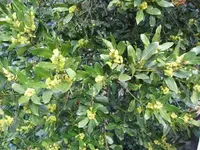
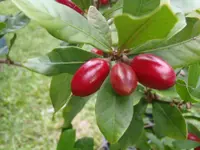
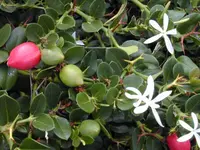
Natal plum, Carissa macrocarpa, is a dense, evergreen shrub valued for its glossy foliage, white star-shaped flowers, and red, plum-like edible fruit. It typically forms a rounded, often thorny hedge, making it useful as a barrier or coastal landscape plant in warm climates.

This species is native to coastal areas of South Africa, where it naturally tolerates wind, salt, and periods of dryness. Its toughness and slow to moderate growth rate make it relatively straightforward to care for Natal plum in suitable climates.

It generally prefers bright light, well-drained soil, and moderate watering, and can be grown in large containers or trained as a compact, ornamental accent.

Main Plant Requirements

Care Difficulty

Moderate Care

Light Preference

Full Sun

Water Requirements

Moderate Water

Temperature Preference

Warm Climate

Hardiness Zone

9–11

Soil Texture

Sandy, Loamy, Organic-rich

Soil pH

Slightly acidic (6.5–7.0), Neutral (7.0)

Soil Drainage

Well-drained

Fertilization

Light (every 4–6 weeks)

Get Personalized Care Plan

Scan your plant to receive care tips personalized for your specific plant

Available on iOS and Android

How to Care for the Natal plum

Carissa macrocarpa thrives in bright, direct sun but tolerates some light shade in hot regions.

  • Provide 6–8 hours of direct sun daily; in very hot climates, give Natal plum afternoon shade or filtered light to reduce leaf scorch.
  • Young plants handle morning sun plus bright shade best; gradually increase exposure to reduce sunburn risk on new growth.
  • In winter, aim for maximum light; too much shade causes sparse flowering, leggy stems, and fewer fruits.

This shrub prefers evenly moist, well-drained soil and tolerates short dry spells once established.

  • Water when the top 3–5 cm of soil is dry, soaking the root zone deeply, then let excess drain away to prevent root rot.
  • Reduce watering in cool or rainy seasons; in hot, windy weather, monitor more often, watching for slight leaf curl as a sign of thirst.
  • Yellowing, soft leaves and a sour soil smell indicate overwatering, while crisp leaf edges and premature fruit drop suggest underwatering in Carissa macrocarpa.

This subtropical shrub prefers warm conditions and is sensitive to hard frost.

  • Aim for 65–80°F (18–27°C) for active growth, which supports flowering and fruiting without stressing the plant.
  • Mature plants tolerate brief drops to about 25–28°F (-4 to -2°C), but young plants can be damaged near 32°F (0°C), so frost protection is important.
  • In hot climates, the plant handles 90–95°F (32–35°C) if soil moisture is stable; intense dry heat plus strong sun can scorch leaves and reduce fruit set.

Carissa macrocarpa handles a wide humidity range and rarely needs special humidity management indoors.

  • Aim for 30–50% relative humidity; this shrub tolerates typical heated or air-conditioned home air.
  • Slightly dry air is acceptable, but chronically very dry conditions may crisp leaf tips and edges.
  • If air is extremely dry near heaters or vents, move Natal plum away from the source rather than misting.

Carissa macrocarpa prefers sharply drained, slightly sandy soil that does not stay wet after watering.

  • Use a mix such as 50–60% peat- or coco-based potting medium with 20–30% coarse sand and 20–30% perlite or fine bark to increase drainage.
  • Target a slightly acidic to neutral pH around 6.0–7.0 for balanced nutrient availability and root health.
  • Ensure the structure stays loose and airy; avoid heavy clay, compacted substrates, or dense manures that hold water for long periods.
  • In garden beds, amend sticky or slow-draining soil with coarse sand and fine gravel to reduce waterlogging risk.

This species is well suited to container growing when provided with stable, well-drained conditions.

  • Choose a broad, heavy container to counterbalance the shrub’s branching, spiny growth and reduce tipping in wind-exposed spots.
  • Select a pot that is wider than it is deep to accommodate the fibrous, spreading root system efficiently.
  • Prefer thick-walled terracotta or ceramic if outdoor sun is intense, as these materials moderate root-zone temperature and moisture swings.

Carissa macrocarpa benefits from modest, consistent feeding during active growth for dense foliage and flowering.

  • Apply a balanced slow-release fertilizer (around 10-10-10) in spring, following label rates for shrubs.
  • Supplement with light applications of balanced liquid feed every 4–6 weeks during the growing season at 1/2 strength.
  • Reduce or stop feeding in winter when growth slows, especially for Natal plum kept indoors.
  • In richer soils, use compost as a thin top-dressing instead of frequent synthetic fertilizer applications.

Pruning supports a compact, thorny hedge form and maintains flowering performance in Carissa macrocarpa.

  • Carry out main pruning in late winter or early spring before vigorous new growth starts.
  • Remove dead, diseased, crossing, or inward-growing branches to improve air flow and light penetration.
  • Shorten long shoots to shape the plant and encourage denser branching, which can increase flower and fruit production.
  • Use sharp bypass pruners, making clean cuts just above outward-facing buds to limit snagging on thorns.

Container-grown plants and young landscape specimens benefit from careful repotting or transplanting to support root health.

  • Check for roots circling the pot, restricted drainage holes, or stalled growth as signs a plant needs a larger container.
  • Plan repotting or outdoor transplanting in late spring, once frost risk has passed and soil has warmed.
  • Move plants every 2–3 years into a container 2–5 cm wider with well-drained, slightly acidic to neutral mix.
  • Handle the rootball gently, loosening only tight circling roots, then water thoroughly and shade lightly for a few days to reduce stress.

New plants are most often produced from semi-hardwood cuttings, though seeds are also possible for Carissa macrocarpa.

  • Take semi-hardwood stem cuttings in late summer, 8–10 cm long, from non-flowering shoots.
  • Remove lower leaves, dip the cut end in rooting hormone, and insert into a sterile, well-drained medium such as sand and peat or perlite.
  • Maintain 70–80°F, bright indirect light, and high humidity; use a humidity dome or clear cover for steadier conditions.
  • Sow fresh cleaned seeds in warm, free-draining mix; germination is slower and may produce variable offspring compared with cuttings.

This subtropical shrub needs protection in regions with freezing winters, especially when grown in containers.

  • Carissa macrocarpa tolerates brief light frost but can be damaged below about 25°F, particularly young growth.
  • Mulch the root zone with 5–8 cm of bark or compost in fall to moderate soil temperature in-ground.
  • Wrap exposed shrubs in burlap or frost cloth during hard freezes, avoiding plastic that traps moisture against foliage.
  • Move container plants indoors or into an unheated but frost-free garage or sunroom before night temperatures drop below freezing.

Care Tips

Salt-tolerant placement

Use this shrub as a front-line hedge or container plant in coastal or high-spray areas where other species fail, since it tolerates salt-laden wind and light soil salinity better than many ornamentals.

Spine-safe handling

Wear sturdy gloves and long sleeves when pruning or transplanting, and place the plant away from narrow paths or play areas, as the rigid forked spines can injure skin and snag clothing.

Fruit quality management

Thin overcrowded developing fruits and remove any damaged ones so the plant can channel energy into fewer, larger berries with better flavor and reduced risk of rot.

Low-branch wind training

In windy sites, allow several lower branches to remain and lightly tip-prune rather than strip the base, as a dense, low framework reduces wind rock and helps stabilize the root system.

Container root control

In pots, root prune and refresh the outer 2–4 in of root ball every 2–3 years instead of only upsizing the container, which keeps growth compact and maintains good drainage when growing Natal plum.

Common Pests and Diseases

Scale insects

This pest commonly gathers along stems and older wood, feeding on sap and causing yellowing, leaf drop, and sticky honeydew on Natal plum. Ants are often attracted to the honeydew and may protect the scale colonies.

Solution

Prune and discard heavily infested twigs, then wipe accessible stems and leaves with a cotton pad dipped in diluted alcohol or insecticidal soap. For larger shrubs outdoors, apply a horticultural oil spray, thoroughly coating stems and leaf undersides, and repeat as needed according to Carissa macrocarpa care instructions.

Mealybugs

These insects appear as white, cottony masses in leaf axils, on young shoots, and around fruit, weakening the plant by sucking sap. Symptoms include distorted new growth and sticky residues that can lead to sooty mold.

Solution

Isolate container plants, then dab visible mealybugs with a cotton swab soaked in diluted alcohol and rinse the plant with a firm stream of water. For persistent infestations, use insecticidal soap or horticultural oil, ensuring coverage inside leaf joints and repeating every 7–10 days until no new insects appear.

Aphids

These insects cluster on soft new growth and flower buds, sucking sap and causing curling leaves and stunted shoots. Honeydew from feeding can support black sooty mold on leaves and fruit.

Solution

Dislodge colonies with a strong water spray, focusing on shoot tips and leaf undersides, then apply insecticidal soap to remaining aphids. Encourage natural predators outdoors, such as lady beetles, by avoiding broad-spectrum insecticides and maintaining plant diversity nearby.

Spider mites

This pest thrives in hot, dry conditions on Natal plum foliage, causing fine stippling, dull leaves, and sometimes delicate webbing on the undersides. Severe infestations can lead to premature leaf drop and general decline.

Solution

Increase humidity around container plants and regularly hose down foliage, especially leaf undersides, to disrupt mites. If mites persist, apply a horticultural oil or a labeled miticidal soap, repeating treatments and monitoring closely during warm, dry periods.

Leaf spot

This disease causes small brown or dark purple spots on leaves that may enlarge, merge, and lead to premature leaf drop, especially on dense or poorly ventilated shrubs. Symptoms include more severe spotting on older foliage and in humid or overhead-watered conditions.

Solution

Remove and discard affected leaves and any fallen debris under the plant, and improve airflow by thinning dense interior branches. Water at soil level rather than overhead, and if the problem recurs, apply a copper-based or other suitable fungicide labeled for ornamental shrubs, following label directions carefully.

Interesting Facts

Dual-use defensive hedge

This species forms extremely dense, thorny branches that make it an effective barrier hedge while still producing edible fruits, a combination that has led to its use as a living fence in coastal landscapes.

Salt-tolerant coastal shrub

Native to coastal regions of South Africa, it tolerates salt spray and sandy, nutrient-poor soils, which is why it is widely planted in seaside gardens and dune stabilization projects.

Night-fragrant star flowers

The white, star-shaped flowers open mainly in the evening and release a stronger fragrance at night, an adaptation that helps attract nocturnal pollinators in its native habitat.

Botan icon

Did you know?

The latex in the stems and unripe fruits is toxic if ingested, yet the fully ripe red fruits are safely edible and have been cultivated in several countries as an underused fruit crop with a flavor often compared to a blend of cranberry and apple.

FAQs about Natal plum

Flowering often declines when light intensity, temperature, or nutrition is off. Too much pruning, especially tip pruning, also removes flower buds. Balanced fertilizer, stable warmth, and avoiding hard shearing just before bloom usually restore flowering.

Grow Healthy Plants with Botan Care

Keep your plants happy and healthy with plant identification, disease detection, and easy care guidance.

Botan plant care app — identify plants on mobile

Explore More Plants