Persian lilac Care (Syringa persica)

Persian lilac

About Persian lilac

Persian lilac, Syringa persica, is a compact deciduous shrub valued for its fragrant spring flowers. It usually forms a rounded, bushy shape with many slender branches.

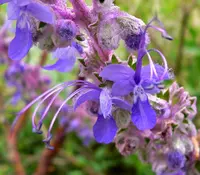
The plant carries narrow leaves and abundant clusters of soft purple to lavender blooms that attract pollinators. It typically originated from hybridization and has long been cultivated in gardens across Western and Central Asia and Europe.

This shrub is considered relatively easy to grow when given full sun, moderate moisture, and well-drained soil. Understanding how to care for Persian lilac mainly involves providing enough light and avoiding waterlogged conditions.

Main Plant Requirements

Care Difficulty

Moderate Care

Light Preference

Full Sun

Water Requirements

Moderate Water

Temperature Preference

Cold Hardy

Hardiness Zone

4–8

Soil Texture

Sandy, Loamy, Clay

Soil pH

Slightly acidic (6.5–7.0), Slightly alkaline (7.0–7.5)

Soil Drainage

Well-drained

Fertilization

Minimal (feed rarely)

Get Personalized Care Plan

Scan your plant to receive care tips personalized for your specific plant

Available on iOS and Android

How to Care for the Persian lilac

This shrub performs best in bright, open sites with plenty of direct sun.

  • Aim for 6–8 hours of direct sun daily; morning sun with light afternoon shade helps prevent leaf scorch in hot summer regions.
  • It tolerates light partial shade (3–4 hours sun), but Persian lilac will flower less and produce leggier growth in too much shade.
  • Avoid deep shade and extremely reflected heat from pavements or walls, which can cause weak shoots, fewer blooms, and quicker drying of the root zone.

Watering should support deep rooting while preventing prolonged soggy soil.

  • Allow the top 5–8 cm of soil to dry before deep watering, soaking the root zone rather than giving light, frequent splashes.
  • In the first 1–2 growing seasons, monitor Syringa persica after hot, dry spells; drooping, dull leaves signal it needs a thorough soak.
  • Use well-drained soil or amended clay; yellowing leaves, dieback, and persistent wet soil suggest overwatering or poor drainage, especially in cool seasons.

This lilac is a cold-hardy shrub that prefers cool to mild growing conditions.

  • Optimal growth occurs around 60–75°F (16–24°C), with strongest flowering after a cool winter chill period.
  • It tolerates winter lows near -20°F (-29°C) once established, but young plants benefit from mulch to buffer freeze–thaw cycles.
  • In hot climates, repeated highs above 90°F (32°C) can stress the plant, so provide afternoon shade and consistent soil moisture during heat waves.

This species handles typical outdoor humidity well and rarely needs special adjustment.

  • Ideal humidity is 30–60%, which matches most temperate outdoor conditions.
  • Leaves curling at the edges or browning tips in hot, very dry wind indicate humidity and moisture stress rather than disease.
  • In prolonged dry heat, reduce stress by applying mulch over the root zone and providing deep, infrequent watering instead of misting Persian lilac foliage.

Syringa persica prefers loose, well-drained mineral soil that does not stay wet.

  • Use a loamy or sandy-loam soil with moderate organic matter, such as native soil blended with 20–30% compost.
  • Aim for slightly alkaline to neutral pH around 7.0–7.5; avoid strongly acidic mixes used for ericaceous plants.
  • Where drainage is slow, improve aeration by incorporating coarse sand or fine gravel into the top 20–30 cm of the planting zone.
  • Avoid heavy, compacted clay or spots where water pools after rain, as prolonged saturation increases root rot risk and weak growth.

This shrub can be grown in containers, though performance is usually better in the ground.

  • Choose a deep, heavy container to prevent tipping and to give the extensive root system enough vertical space.
  • Use a sharply draining mix, such as 60–70% loam-based compost with added coarse sand or grit to limit waterlogging.
  • In hot climates, prefer thick-walled or light-colored pots to reduce root-zone overheating and moisture loss through the container sides.

This shrub benefits from light, targeted feeding rather than heavy fertilization.

  • Apply a balanced slow-release fertilizer (around 10-10-10) once in early spring as new growth begins.
  • Use a modest dose only; follow label rates and avoid overfeeding, which reduces flowering and stresses Persian lilac roots.
  • In richer soils, top-dress with a thin layer of compost instead of granular fertilizer to support soil life.
  • Stop feeding by late summer and do not fertilize during winter dormancy to prevent weak, frost-prone growth.

Thoughtful pruning keeps Syringa persica flowering well and maintains a balanced, open framework.

  • Prune just after flowering, before new flower buds set for the next year.
  • Remove dead, diseased, or rubbing branches first, using clean, sharp bypass pruners or loppers.
  • Thin the oldest, most crowded stems at the base to improve light penetration and air movement.
  • Shorten overly long shoots lightly to refine shape without removing too much young flowering wood.

This lilac is usually grown in the ground, so care focuses on transplanting rather than frequent repotting.

  • Transplant in early spring or early fall when temperatures are mild and soil is workable.
  • Move plants that show poor vigor, become rootbound in containers, or outgrow their current position and space.
  • Dig a wide planting hole, gently loosen circling roots, and set the shrub at the same soil level as before.
  • Water deeply after planting, then keep soil evenly moist for several weeks to reduce transplant shock and support root recovery.

Syringa persica is commonly propagated from softwood or semi-ripe cuttings rather than seed for consistent traits.

  • Take softwood cuttings in late spring to early summer or semi-ripe cuttings in mid to late summer.
  • Use 10–15 cm cuttings with 2–3 nodes, remove lower leaves, and dip the base in rooting hormone.
  • Insert cuttings into a moist, free-draining mix under high humidity and bright, indirect light.
  • For layering, bend a low branch to the soil, wound slightly, pin in place, and sever once well rooted.

This cold-hardy lilac generally manages typical winters well with minimal intervention.

  • Established plants tolerate freezing temperatures in most temperate gardens without stem damage.
  • Apply a 5–8 cm layer of mulch around the root zone in late fall, keeping it slightly away from the stems.
  • Container-grown shrubs benefit from shelter against harsh wind and insulating the pot, or moving into an unheated but frost-free space.

Care Tips

Post-bloom deadheading

Remove spent flower clusters promptly by snipping just above a strong pair of leaves to reduce seed set and direct energy into next year’s bud formation.


Airflow spacing strategy

Maintain at least 60–90 cm of open space around the shrub and keep nearby plants thinned so foliage dries quickly after rain, reducing powdery mildew and leaf spot issues.

Targeted suckers control

Inspect the base monthly during the growing season and cut any basal suckers flush with the root collar to keep the plant’s energy focused on the main framework and maintain a tidy outline.

Bloom-boosting renewal

Every 3–4 years remove 1–3 of the oldest, thickest stems at ground level in late winter to encourage vigorous new shoots and heavier flowering when growing Persian lilac.

Mulch management edge

Keep a 5–8 cm mulch layer that stops 5–8 cm short of the stems so roots stay cool and moist while the crown remains dry and less prone to rot or borer problems.

Everything About Persian lilac

Common Pests and Diseases

Powdery mildew

This disease causes white, powdery patches on leaves, especially in warm days with cool, humid nights. Symptoms include distorted new growth and premature leaf drop on stressed shrubs.

Solution

Prune to open the shrub canopy and improve airflow, avoid overhead watering, and remove heavily infected leaves. For recurring problems, apply a sulfur or potassium bicarbonate fungicide labeled for lilacs in early summer, following label directions closely as part of broader Syringa persica care instructions.

Bacterial blight

This disease leads to blackened, water-soaked spots on young leaves and shoots that quickly turn brown and die back, often after cool, wet spring weather. Symptoms include wilted new growth that looks scorched while older wood remains healthy.

Solution

Prune out and destroy affected shoots well below the damaged tissue during dry weather, disinfecting tools between cuts, and avoid overhead irrigation and high-nitrogen fertilization that push soft, vulnerable growth. In areas with frequent spring outbreaks, a copper-based spray at bud break may reduce infection pressure, used strictly according to the label to prevent phytotoxicity and resistance.

Lilac leafminer

This pest is a small moth larva that tunnels between leaf surfaces, creating pale, blotchy, or serpentine mines that can cause leaves to curl and brown. This pest is most noticeable on mid-season foliage and can make the shrub look thin and stressed over time.

Solution

Remove and dispose of mined leaves as soon as damage is noticed to physically reduce larval numbers, focusing on the lower and inner canopy. Where infestations are heavy, use a systemic insecticide or a spinosad-based product timed to target young larvae just after adult moths emerge, guided by local extension recommendations.

Oystershell scale

These insects form small, elongated, oyster-shaped shells on stems and branches and feed by sucking sap, causing twig dieback and overall decline. This pest often goes unnoticed until branches look weak, with poor leafing and reduced flowering.

Solution

Prune out heavily infested twigs and discard them to remove colonies, then scrub remaining stems with a soft brush to dislodge scales where practical. Apply a horticultural oil spray in late winter or at crawler stage in late spring, coating stems thoroughly to smother the insects.

Lilac borer

This pest is a clearwing moth whose larvae tunnel into stems and lower trunks, causing wilting shoots, sawdust-like frass at entry holes, and branch dieback. This pest is more likely to attack stressed Persian lilacs in full sun that are drought-stressed or poorly pruned.

Solution

Cut out and destroy infested stems below the boring galleries, then improve plant vigor with proper watering, mulching, and timely pruning to reduce stress. In regions with a history of lilac borer, apply a targeted trunk and lower-stem insecticide just before and during adult flight, using products and timing recommended by local extension services.

Interesting Facts

Hybrid origin shrub

This lilac is considered a natural hybrid, most likely between Syringa afghanica and Syringa x laciniata, which explains its finer texture and more delicate growth compared to common lilac.

Finely divided foliage

Its narrow, often deeply lobed leaves give the shrub a soft, feathery appearance that distinguishes it from broad-leaved garden lilacs and makes it visually lighter in mixed borders.

Long, airy flower clusters

The plant produces many small, pale purple to lilac flowers arranged in loose, slender panicles that are less dense but often more numerous than those of common lilac, creating a light, cloud-like floral effect.

Botan icon

Did you know?

Historically, this species was widely planted in formal European and Middle Eastern gardens because its compact size, fine texture, and fragrant spring bloom allowed it to bridge the visual gap between low perennials and larger shrubs in structured designs.

FAQs about Persian lilac

Lack of flowers often comes from pruning at the wrong time, excess shade, or high-nitrogen fertilizer. Pruning after midsummer removes next year’s buds. Aim for moderate feeding, strong light, and avoid heavy cutting except just after flowering to support growing Persian lilac.

Grow Healthy Plants with Botan Care

Keep your plants happy and healthy with plant identification, disease detection, and easy care guidance.

Botan plant care app — identify plants on mobile

Explore More Plants