African weed-orchid Care (Disa bracteata)

Also known as: Bract Disa, South African Weed Orchid, South African Leak-orchid, Bract Monadisa
African weed-orchid

About African weed-orchid

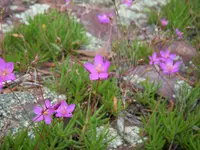
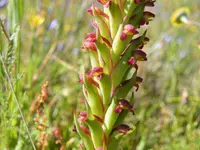
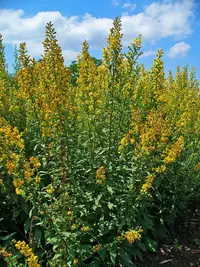
African weed-orchid (Disa bracteata) is a terrestrial orchid with a dense spike of small red to reddish-yellow flowers and sturdy upright growth. It forms a rosette of narrow leaves at the base, then sends up a flowering stem in the growing season.

This species is native to South Africa but has naturalized in parts of Australia, where it behaves as a weed in disturbed or open habitats. It is moderately challenging in cultivation, as it needs a cool to mild climate, a distinct seasonal cycle, and very free-draining, sandy or gritty soil. Those learning how to care for African weed-orchid should note its need for consistent moisture in growth and a drier rest period after flowering.

Main Plant Requirements

Care Difficulty

Hard Care

Light Preference

Full Sun

Water Requirements

Regular Water

Temperature Preference

Warm Climate

Hardiness Zone

9–11

Soil Texture

Sandy, Loamy, Rocky

Soil pH

Acidic (5.5–6.5)

Soil Drainage

Well-drained

Fertilization

Minimal (feed rarely)

Get Personalized Care Plan

Scan your plant to receive care tips personalized for your specific plant

Available on iOS and Android

How to Care for the African weed-orchid

This terrestrial orchid prefers bright, soft light rather than harsh, direct sun.

  • Provide 4–6 hours of gentle sun, ideally morning sun with light shade or filtered light from late morning to afternoon.
  • Allow partial shade, especially in hot, dry regions; aim for dappled light under grasses or low shrubs for African weed-orchid in the wild or garden.
  • Watch foliage: pale, scorched, or purple-tinged leaves indicate too much sun, while weak, elongated growth suggests insufficient light.

This species prefers consistently moist but free-draining soil, especially during active growth.

  • Keep soil evenly moist in growth season; do not allow the top 2–3 cm to dry completely, but avoid standing water or boggy conditions.
  • In dormancy, reduce watering so the soil is just barely moist; wrinkling or drooping leaves suggest underwatering, while soft, yellowing bases indicate excess moisture.
  • Use sharply draining, gritty or sandy soil so water moves through quickly, reducing the risk of root rot while still retaining some surface moisture.

This orchid is adapted to mild, seasonal climates with cool, wet winters and warm, dry summers.

  • Aim for active growth in cool to mild conditions around 50–70°F (10–21°C), with good air movement to prevent fungal problems.
  • Tolerates light frost down to about 28°F (-2°C) if soil is well drained, but prolonged freezes below 25°F (-4°C) can damage tubers.
  • Handles dry summer heat up to about 86–90°F (30–32°C) if roots are insulated in the soil, but combined heat and waterlogging greatly increase stress risk.

This terrestrial orchid needs moderately high, stable humidity to grow well in cultivation.

  • Aim for 50–70% humidity, as air that is too dry slows growth and can shorten flower life.
  • Leaves that curl, develop brown tips, or show dull, papery patches indicate humidity stress in African weed-orchid.
  • Increase humidity with a nearby open-water tray or grouped plants, but keep foliage and crown dry to prevent rot.

Disa bracteata prefers a sharply drained, sandy, mineral-rich medium rather than standard organic potting mixes.

  • Use a mix of roughly 50% coarse sand, 25% fine gravel or grit, and 25% low-organic material such as decomposed granite or very lean loam.
  • Ensure fast drainage so water passes through within seconds; avoid dense peat-heavy or clay-based mixes that hold standing moisture.
  • Aim for slightly acidic to neutral pH around 6.0–7.0, avoiding strongly alkaline substrates with added lime.
  • Improve aeration and root health by using large particle sizes (2–5 mm) and keeping any added compost very minimal and well blended.

This species can be grown in containers if drainage and root environment are managed precisely.

  • Choose a tall, narrow pot that allows a deeper mineral layer, which mimics its natural rooting pattern and limits waterlogging near the crown.
  • Select rigid plastic or glazed ceramic pots to maintain more stable moisture in the fast-draining, sandy medium.
  • Elevate the pot on feet or mesh so drainage holes stay clear and water exits quickly after every watering.

This terrestrial orchid benefits from light, careful feeding during its active growing season but is sensitive to excess nutrients.

  • Use a very dilute balanced NPK orchid fertilizer at 1/4 strength every 3–4 weeks during active growth, after thorough watering.
  • Avoid compost or heavy organic feeds, which can sour the medium and damage roots of African weed-orchid.
  • Flush the pot with plain water every few feedings to prevent salt buildup around the fine roots.
  • Stop feeding once foliage begins to yellow and die back for dormancy, and do not fertilize dry or dormant roots.

Pruning needs for Disa bracteata are minimal and mainly focused on hygiene rather than shaping.

  • Cut spent flower spikes at the base after flowering finishes, using clean, sharp scissors or snips.
  • Remove dead, yellowing, or diseased leaves promptly to limit fungal problems and improve airflow around the plant.
  • Leave healthy green foliage in place so the plant can photosynthesize and recharge its underground structures.
  • Disinfect tools with alcohol before and after use to reduce the spread of pathogens between plants.

This species dislikes frequent disturbance, so repotting or transplanting should be infrequent and carefully timed.

  • Look for roots circling the container, medium breaking down, or declining vigor as signs it needs a fresh pot or position.
  • Plan moves for late winter to early spring, just before new growth, and only every 2–3 years if the plant is healthy.
  • Use a free-draining, slightly acidic orchid mix, handling the roots gently and keeping them just firmed, not compacted.
  • Water lightly after transplanting, keep out of strong sun for 7–10 days, and maintain steady moisture to limit root stress.

Increasing Disa bracteata is possible but slow, and usually done by seed or careful division in controlled conditions.

  • Seed propagation requires sterile technique, suitable growth medium, and consistent warmth and light, often in a lab-style setup.
  • Where division is feasible, separate offsets in late winter to early spring when new growth points are visible.
  • Ensure each division carries healthy roots and at least one strong growth, then plant into a fine, free-draining orchid mix.
  • Maintain high humidity, bright but indirect light, and evenly moist medium to support establishment of new plants.

Disa bracteata experiences a natural dormancy and needs cool, not deeply frozen, winter conditions.

  • In mild climates, keep the container outdoors in a sheltered, bright spot, allowing foliage to die back naturally.
  • If frost is severe, move pots into a cold but frost-free area around 35–45°F with good light and ventilation.
  • Reduce watering sharply in dormancy, keeping the medium just barely moist so the tubers do not shrivel or rot.

Care Tips

Protect Summer Dormancy

Mark the exact spots of the dormant tubers with labels or small stakes after flowering so you do not disturb or overwater them when the foliage dies back in summer.

Use Mesh Bulb Cages

Plant the tubers inside fine plastic bulb baskets or mesh pots sunk into the bed to make lifting, division, and protection from soil-dwelling pests easier and more precise.

Fine-Tune Pot Depth

When growing in containers, position the tuber only 1–2 cm below the surface in a tall, free-draining pot so new shoots can emerge easily while roots still have depth to anchor and feed the plant.

Staggered Tubers Stock

Maintain a small collection of tubers started at slightly different times or in slightly different micro-sites so that late frosts, heavy rain, or disease do not wipe out all flowering plants in a single season.

Seasonal Rain Imitation

In dry-summer climates, group these orchids with other winter-growing bulbs and use one irrigation zone or drip line to mimic a cool, moist winter and a dry summer, which simplifies caring for African weed-orchid alongside similar species.

Common Pests and Diseases

Orchid aphids

This pest feeds on soft growth, including inflorescences and leaf bases, sucking sap and causing distortion, sticky honeydew, and sooty mold on Disa foliage and flower spikes.

Solution

Remove heavily infested flower spikes or leaves, then wash remaining foliage and stems with a strong but gentle stream of water. Follow with 1–2 applications of insecticidal soap or a light horticultural oil, ensuring good coverage of the undersides of leaves and young shoots while avoiding spraying in direct sun or high heat.

Mealybugs

These insects hide in leaf axils and around the corm, forming white cottony clusters, stunting growth and weakening plants kept in pots or nursery conditions.

Solution

Isolate affected plants, then dab visible mealybugs with cotton buds dipped in 70% isopropyl alcohol and rinse the plant thoroughly after treatment. For persistent infestations, apply insecticidal soap or systemic insect granules labeled for ornamental orchids, and check the corm and crown area regularly during the growing season.

Orchid rust

This disease causes small yellow spots on leaves that develop into orange to brown pustules on the undersides, leading to premature leaf drop in wet, crowded plantings.

Solution

Remove and discard affected leaves and reduce overhead watering so foliage dries quickly. Improve spacing and airflow, and if rust recurs, use a fungicide labeled for rust on ornamentals, rotating active ingredients and applying at the first appearance of new lesions.

Leaf spot fungi

Symptoms include small water-soaked or brown lesions on leaves that may enlarge and merge under cool, damp conditions, reducing photosynthetic area and overall vigor.

Solution

Cut off and dispose of affected foliage, then adjust watering to keep water off leaves as much as possible. Increase air movement around plants and, in humid climates, apply a preventative broad-spectrum fungicide during peak growth, following label directions for orchids or similar ornamentals.

Interesting Facts

Self-pollinating flowers

Unlike many orchids that depend on insects, this species is largely self-pollinating, with pollen masses bending onto the stigma so a single plant can set seed in isolation.

Mediterranean-climate specialist

It is native to the winter-rainfall regions of South Africa, where it grows in open, often seasonally moist sites that experience cool, wet winters and hot, dry summers.

Invasive in Australia

After escaping cultivation, it naturalized in parts of southern Australia, where it is now considered an invasive orchid that competes with native flora and can form dense stands.

Botan icon

Did you know?

This species produces tiny, dust-like seeds that are dispersed by wind, allowing it to spread rapidly over long distances once established in a new region.

FAQs about African weed-orchid

Lack of flowering usually comes from insufficient winter chill, too much shade, or plants that are still immature. This species needs a cool, distinct resting period and several years of growth before producing its dense red flower spikes reliably.

Grow Healthy Plants with Botan Care

Keep your plants happy and healthy with plant identification, disease detection, and easy care guidance.

Botan plant care app — identify plants on mobile

Explore More Plants