Early staking support
Install low, sturdy stakes or a short wire mesh around young plants when they reach 10–15 cm to keep the sprawling stems off wet soil and reduce breakage and fungal problems later in the season.

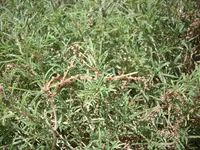
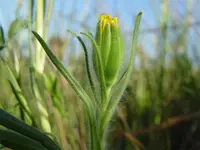
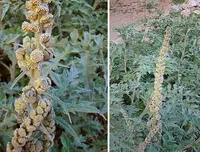
African amaranth (Amaranthus muricatus) is a low, spreading annual or short-lived perennial often grown as an ornamental or groundcover. It forms dense mats of small leaves and fine stems that can create a textured green carpet.
The plant is native to South America but is now found in many warm regions, especially in disturbed or open sites. It tends to be fast-growing and adaptable, which makes it relatively straightforward to care for African amaranth in suitable climates.
Amaranthus muricatus prefers sunny positions, well-drained soil, and moderate moisture, and it usually tolerates heat and short dry spells once established.

Care Difficulty
Easy Care

Light Preference
Full Sun

Water Requirements
Moderate Water

Temperature Preference
Tropical / Frost Sensitive

Hardiness Zone
10–11

Soil Texture
Sandy, Loamy, Organic-rich

Soil pH
Slightly acidic (6.5–7.0), Neutral (7.0)

Soil Drainage
Well-drained

Fertilization
Light (every 4–6 weeks)
Scan your plant to receive care tips personalized for your specific plant
Available on iOS and Android
This sun-loving annual needs strong light to flower and stay compact.
This species prefers evenly moist, fast-draining soil rather than constant wetness.
This warm-season plant grows best in stable, mild to hot conditions without frost.
This species tolerates a wide humidity range and usually does not need special humidity control indoors or outdoors.
Amaranthus muricatus grows best in light, fast-draining soil that still holds moderate moisture.
This spreading annual is suitable for container growing when provided with a stable, well-drained pot.
This fast-growing annual benefits from modest, consistent feeding during its active season.
Targeted pruning helps maintain compact form and healthy growth in Amaranthus muricatus.
This species is usually grown as an annual bedding or border plant and is more often transplanted than repotted.
New Amaranthus muricatus plants are most commonly raised from seed under warm, bright conditions.
This tender species is not frost hardy and is usually grown as a warm-season annual, so winter care is minimal.

Plant Health Check
Not sure what's wrong with your plant? Check your plant's health inside the app.
This species is naturally distributed in coastal and inland sandy habitats of South America, especially Argentina and Uruguay, where it stabilizes loose soils with its spreading, mat-forming growth.
It shows notable tolerance to both saline conditions and seasonal drought, which helps it colonize disturbed, dry, and coastal areas that many other herbs cannot occupy.
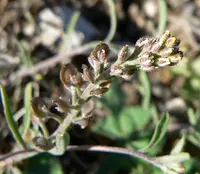
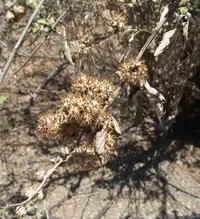
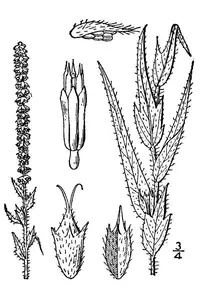
The plant forms small clustered flowers that develop into many one-seeded fruits, and this high seed output contributes to its ability to spread and persist once it is introduced outside its native range.
This species is generally fast-growing in warm conditions, often reaching notable size within one season. Growth slows in cool weather, poor soil nutrition, or when rootbound. Regular feeding and adequate space support vigorous development and branching.
Keep your plants happy and healthy with plant identification, disease detection, and easy care guidance.