lanceleaf ragweed Care (Ambrosia bidentata)

lanceleaf ragweed

About lanceleaf ragweed

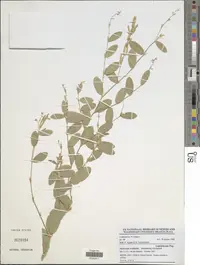
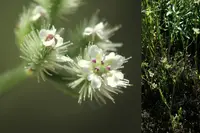
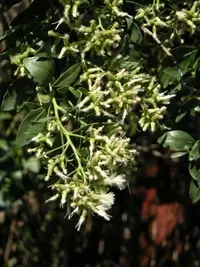
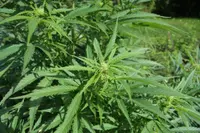
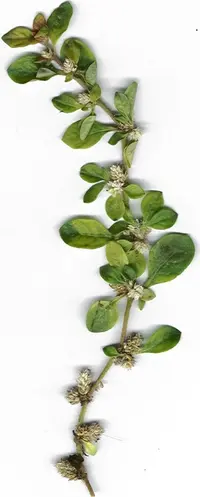
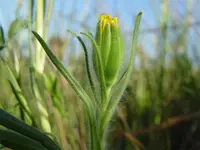
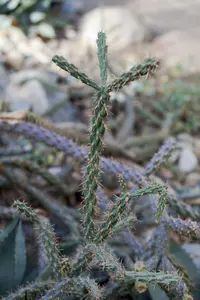
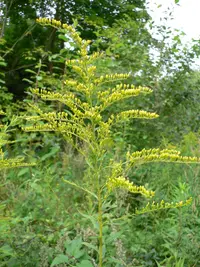
Lanceleaf ragweed (Ambrosia bidentata) is an annual or short-lived perennial native to central and eastern North America, often found in prairies, roadsides, and open fields. It forms upright, branching stems with narrow, lance-shaped leaves and inconspicuous greenish flower spikes.

This species is a tough, disturbance-tolerant wildflower that tends to establish easily in poor or compacted soils. It is wind-pollinated and can spread by seed, which makes management important in smaller gardens.

Those who care for lanceleaf ragweed or allow it to naturalize should expect a low-maintenance plant that prefers full sun, dry to moderately moist conditions, and well-drained, often sandy or loamy soil.

Main Plant Requirements

Care Difficulty

Easy Care

Light Preference

Full Sun

Water Requirements

Low Water

Temperature Preference

Cold Hardy

Hardiness Zone

4–9

Soil Texture

Sandy, Loamy, Clay

Soil pH

Slightly acidic (6.5–7.0), Neutral (7.0)

Soil Drainage

Well-drained

Fertilization

Minimal (feed rarely)

Get Personalized Care Plan

Scan your plant to receive care tips personalized for your specific plant

Available on iOS and Android

How to Care for the lanceleaf ragweed

Ambrosia bidentata is a sun-loving prairie annual that thrives with strong, direct light outdoors.

  • Provide 6–8 hours of direct sun daily; full sun produces sturdier, less floppy stems and better seed set.
  • Plant where it receives morning to mid-afternoon sun; it tolerates light partial shade, especially with 3–4 hours of direct sun, but growth becomes more open and sparse.
  • In hot summers, intense late-afternoon sun on very dry soils can scorch leaves; in dense shade, lanceleaf ragweed may grow tall, weak, and flower poorly.

This species is drought-tolerant and prefers infrequent, deeper watering once established in the ground.

  • Allow the top 5–8 cm of soil to dry before watering; in many native or prairie-style plantings, natural rainfall is often enough after establishment.
  • Use well-drained, sandy or loamy soil so water does not pool around the roots, which can cause yellowing foliage, soft stems, and root rot.
  • During extended hot, dry periods, watch for dull, drooping leaves and dry, cracking soil as cues to water; reduce watering in cool or rainy seasons to avoid soggy conditions for Ambrosia bidentata.

This warm-season annual grows best in typical outdoor summer conditions in much of the US.

  • Optimal growth occurs around 70–90°F (21–32°C), with strongest development in consistently warm weather and full sun exposure.
  • Plants tolerate heat up to about 95–100°F (35–38°C) if soil moisture is not extremely low, though prolonged extreme heat with drought can stunt growth.
  • Germination and early growth start reliably once temperatures stay near or above 60°F (16°C); light frost around 30–32°F (-1–0°C) can damage or kill foliage, ending the season.

Humidity is not a significant factor for Ambrosia bidentata, which is adapted to dry, open habitats.

Ambrosia bidentata thrives in relatively dry, well-drained mineral soils rather than rich, moisture-retentive substrates.

  • Use sandy or sandy-loam soil with a loose, crumbly structure to mimic its native prairie and roadside habitats.
  • Ensure sharp drainage by incorporating coarse sand or fine gravel at 20–30% of the mix to reduce water retention.
  • Aim for slightly acidic to slightly alkaline conditions, roughly pH 6.0–7.8, as the species tolerates a broad pH range.
  • Avoid dense clay, peat-heavy, or constantly wet soils that hold water around the roots and encourage rot.

This species can be grown in containers, though it is better suited to open-ground cultivation.

  • Select a tall, deep pot to accommodate its taproot and prevent the plant from becoming root-restricted too quickly.
  • Use a heavy or weighted container to keep the plant stable in wind, as its upright stems can make it top-heavy outdoors.
  • Place the pot where excess runoff can drain freely, since frequent overhead watering outdoors may otherwise saturate the root zone.

This native wild species typically grows well in average soils and usually needs no fertilizer.

Pruning Ambrosia bidentata is mainly done to manage spread and remove unwanted growth in naturalistic or restoration settings.

  • Cut back dead, damaged, or diseased stems at ground level in late fall or very early spring.
  • Thin crowded patches by removing entire stems to limit self-seeding and control stand density.
  • Use sharp hand pruners or a scythe for larger areas, making clean cuts to reduce tissue tearing.
  • Avoid heavy in-season cutting that repeatedly stresses plants and disturbs associated wildlife habitat.

This species is rarely container-grown; care focuses on field transplanting small plants into permanent sites.

  • Plan transplanting for early spring or early fall when air is cool and soil is moist but not waterlogged.
  • Move seedlings or young plugs before roots circle the plug or cell to minimize transplant shock.
  • Lift plants with a trowel, keeping a firm soil plug around roots, and replant at the same depth.
  • Water deeply after transplanting, then keep soil lightly moist for 1–2 weeks while roots re-establish.

Propagation of Ambrosia bidentata is most practical from seed, matching its natural life cycle.

  • Collect ripe seeds in late summer to early fall once seed heads dry and darken.
  • For best germination, sow outdoors in fall so seeds experience natural winter cold stratification.
  • Alternatively, cold-stratify seeds indoors at 34–41°F for 30–60 days in slightly moist medium.
  • Sow on or just below the soil surface in full sun, keeping the seedbed evenly moist until seedlings establish.

Established lanceleaf ragweed is cold hardy in its native range and usually needs no special winter care.

Care Tips

Habitat-style spacing

Space plants in irregular clumps with 30–60 cm gaps instead of even rows to mimic natural stands, which improves air flow and reduces foliar disease pressure when growing lanceleaf ragweed.

Early-season thinning

Once seedlings reach 5–8 cm tall, thin crowded patches so plants stand 15–30 cm apart, which encourages stronger root systems and reduces weak, spindly growth.

Volunteer management

Flag a few vigorous plants early in the season and allow only these to set seed, removing other flower spikes before seed matures to limit unwanted self-sowing while preserving a stable population.

Mosaic disturbance patches

Create small bare-soil patches every 1–2 years by lightly cultivating or scraping the surface in selected areas, which stimulates natural reseeding and maintains a dynamic, meadow-like stand.

Targeted wildlife support

Leave some dried stems and seed heads standing over winter at the back or edges of the planting to provide cover and food for wildlife, then cut and remove them just before new growth emerges in spring.

Common Pests and Diseases

Leaf beetles

These insects chew ragged holes in leaves and can skeletonize foliage on young plants, especially in open, sunny sites. Symptoms include notched leaf edges and clusters of small, rounded holes between veins.

Solution

Handpick beetles in small plantings and drop them into soapy water, and encourage natural predators by maintaining plant diversity nearby. In larger infestations, use a contact insecticide containing pyrethrins directed to the foliage in late afternoon, avoiding spray drift to nearby wildflowers used by pollinators.

Ragweed leaf spot

This disease causes small, tan to brown spots with darker borders on leaves that can merge into larger blotches under warm, humid conditions. Symptoms include premature yellowing and shedding of older foliage on dense stands of plants.

Solution

Remove and destroy heavily spotted leaves and any dead plant debris at the end of the season to reduce the fungus surviving in litter. Improve air movement by avoiding overcrowding, and if needed apply a copper-based fungicide early in the season when first spots appear, following label directions carefully.

Downy mildew

This disease produces pale yellow to light green patches on upper leaf surfaces and a grayish to white, downy growth on the undersides in cool, damp weather. Symptoms include leaf distortion and gradual decline of heavily affected plants in low-lying, poorly drained sites.

Solution

Promote good drainage and avoid overhead irrigation so foliage dries quickly, and remove badly affected leaves to limit spread. In recurrent problem areas, apply a phosphite or copper fungicide preventively when conditions are cool and humid, rotating products to reduce resistance risk.

Aphids

These insects feed on sap from young shoots and undersides of leaves, leading to curled foliage, sticky honeydew, and sooty mold growth. This pest can weaken seedlings and young lanceleaf ragweed plants in disturbed soils and field margins.

Solution

Wash colonies off with a firm stream of water and pinch back heavily infested tips on small plantings. If populations remain high, use insecticidal soap or a horticultural oil directed to leaf undersides, applying in the early morning and avoiding treatments when temperatures exceed 85°F to prevent leaf burn.

Interesting Facts

Late-season pollen source

Lanceleaf ragweed flowers in late summer to early fall, releasing wind-dispersed pollen after many grasses are past peak, which extends the regional hay fever season in parts of its range.

Preference for disturbed soils

This species commonly establishes along roadsides, field margins, fallow cropland, and other disturbed, sandy or loamy soils, where it takes advantage of open, low-competition conditions.

Distinctive leaf shape change

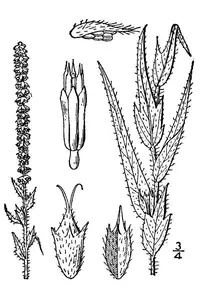
The plant often shows a shift from more deeply lobed lower leaves to narrower, less-divided upper leaves, a trait that helps distinguish it from some closely related ragweed species in the field.

FAQs about lanceleaf ragweed

This species establishes and elongates quickly once temperatures warm, especially in open, disturbed ground. Under typical field conditions it often reaches near-mature size within a single growing season, so it is generally considered fast-growing.

Grow Healthy Plants with Botan Care

Keep your plants happy and healthy with plant identification, disease detection, and easy care guidance.

Botan plant care app — identify plants on mobile

Explore More Plants