blow wives Care (Achyrachaena mollis)

blow wives

About blow wives

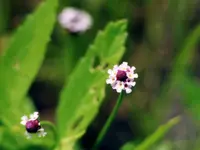
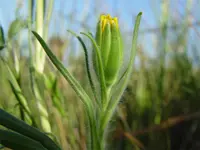
Blow wives (Achyrachaena mollis) is a small annual wildflower in the daisy family, known for its airy, papery seed heads that resemble tiny white stars. It grows from a simple rosette and sends up slender stems topped with modest yellow flower heads that later turn into the showy, dry bracts.

This species is native to California and parts of the western United States, where it appears in grasslands, open fields, and disturbed sites. It adapts well to lean, well-drained soils and dry summer conditions, which makes it relatively straightforward to care for blow wives in low-input gardens.

The plant completes its life cycle quickly, reseeding itself in suitable conditions. It suits naturalistic plantings and wildflower meadows rather than highly manicured beds.

Main Plant Requirements

Care Difficulty

Easy Care

Light Preference

Full Sun

Water Requirements

Low Water

Temperature Preference

Warm Climate

Hardiness Zone

7–10

Soil Texture

Sandy, Loamy, Rocky

Soil pH

Slightly acidic (6.5–7.0), Neutral (7.0)

Soil Drainage

Well-drained

Fertilization

Minimal (feed rarely)

Get Personalized Care Plan

Scan your plant to receive care tips personalized for your specific plant

Available on iOS and Android

How to Care for the blow wives

Achyrachaena mollis prefers bright, open conditions similar to dry grasslands.

  • Provide full sun for 6–8 hours daily; light morning sun plus some light afternoon shade helps in very hot regions.
  • Plants tolerate light partial shade (3–4 hours direct sun), but flowering and bract display are best in open sun.
  • In summer, monitor for leaf scorch or very dry soil in exposed sites; in cooler seasons, ensure plants are not shaded out by taller vegetation.

This annual prefers dry to moderately moist soil and is sensitive to prolonged saturation.

  • Allow the top 3–5 cm of soil to dry between waterings; in the ground, water only after a period of obvious surface dryness or wilting in early evening.
  • Use freely draining, sandy or loamy soil so excess water runs off quickly, reducing root rot risk and weak, lush growth.
  • In cool or rainy seasons, avoid supplemental water unless the soil is dusty dry; pale, floppy stems suggest overwatering, while crisp, drooping leaves indicate underwatering.

This species thrives in mild, dry climates and does best without temperature extremes.

  • Optimal growth occurs around 60–75°F (16–24°C), especially during active vegetative growth and early flowering.
  • Plants tolerate brief drops to about 28–30°F (-2 to -1°C) but repeated hard frosts can damage foliage and reduce bloom quality.
  • In summer, flowering holds best below 90°F (32°C); in hotter areas, combine full sun with some late-afternoon shade and avoid heat-reflective surfaces near plants.

This species prefers dry air and does not have specific humidity requirements beyond typical outdoor conditions.

This annual prefers light, well-drained soils that never stay waterlogged.

  • Use sandy or sandy-loam soil with low to moderate organic matter so water drains quickly around the roots.
  • Aim for slightly acidic to neutral pH, roughly 6.0–7.2, which suits Achyrachaena mollis in most garden settings.
  • Blend coarse sand or fine gravel into heavier ground to improve drainage and prevent compaction after rain.
  • Avoid dense clay, peat-heavy mixes, or spots where puddles persist, since prolonged saturation quickly leads to root decline.

This species can be grown in containers outdoors if drainage and rooting space are carefully managed.

  • Choose a pot at least 20–25 cm deep so the taproot can develop without curling tightly at the base.
  • Select a relatively wide container to prevent tipping once the airy flower stalks extend above the rim.
  • Use a gritty, fast-draining mix and keep the container slightly elevated so drainage holes never sit directly on a solid surface.

Achyrachaena mollis is a low‑nutrient annual that usually needs little or no fertilizer in average garden soil.

  • On poor or sandy soils, apply a light layer of compost before sowing to boost organic matter.
  • If growth looks weak, use a balanced NPK liquid fertilizer at 1/4–1/2 strength once in mid spring.
  • Avoid repeated feeding, which encourages floppy, overly lush foliage and fewer flowers.
  • Do not fertilize once plants begin drying and setting seed, as the life cycle is ending.

Pruning Achyrachaena mollis is minimal and mainly focused on tidying and managing self‑seeding.

  • Use clean scissors or hand pruners to remove dead or storm‑damaged stems whenever noticed.
  • Deadhead spent flower heads before seeds mature if you want to reduce self‑sown seedlings.
  • Leave some mature seed heads on sturdy plants to encourage natural reseeding and a loose meadow look.
  • Cut plants to ground level once they are fully dry and brown to clear beds for the next season.

This annual is usually direct‑sown outdoors; transplanting is light and infrequent.

  • Transplant only when seedlings are young and before roots circle the plug or cell, as older plants resent disturbance.
  • Move seedlings outdoors in early to mid spring once soil is workable and frost risk is low.
  • Space transplants so that mature plants have good air flow, which reduces disease and lodging.
  • Water well after transplanting, then keep soil slightly moist for 7–10 days to limit transplant shock.

Propagation of this annual is done almost entirely by seeds rather than cuttings or division.

  • Sow seeds outdoors in fall in mild climates, or in early to mid spring where winters are colder.
  • Choose a sunny, well‑drained site; lightly cover seeds, as they need darkness to germinate well.
  • Keep soil evenly moist but not waterlogged until seedlings establish, then reduce watering.
  • Allow some seed heads of blow wives to dry and shatter in place for easy natural reseeding.

Achyrachaena mollis is an annual that dies after flowering, so winter care for the plant itself is minimal.

  • In mild climates, fall‑sown seedlings usually tolerate light frosts once established in well‑drained soil.
  • In colder regions, rely on spring sowing rather than trying to overwinter plants outdoors or indoors.
  • Mulch lightly only to protect soil structure; heavy mulch can hinder natural reseeding and seedling emergence.

Care Tips

Manage self-seeding

If you want controlled patches, deadhead most seed heads and leave only a few to dry on the plant for seed collection, since blow wives can self-sow aggressively in open, disturbed soil.

Timed seed harvest

For reliable reseeding, cut stems when the bracts have fully expanded into the white, papery “parachutes” but before strong winds scatter them, then dry them in a paper bag and shake out the seeds.

Use lean sites

Establish plants in low-fertility, well-drained strips such as gravelly borders or parkway plantings, where competing, nutrient-loving species are less dominant and plants keep a compact habit.

Combine with grasses

Interplant with short, fine-textured native grasses to provide light structural support for the tall, wiry stems and to reduce lodging from wind while still allowing good air flow.

Succession sowing

In regions with long, mild springs, sow small batches of seed every 2–3 weeks to extend the display, which is especially useful when growing blow wives for ornamental seed heads in cutting gardens.

Common Pests and Diseases

Aster leafhopper

This pest feeds on young foliage and is the main vector of aster yellows, which can severely deform plants and reduce seed set. Symptoms include pale foliage, stunting, and distorted flower heads.

Solution

Reduce nearby weed hosts that shelter leafhoppers, especially in and around wildflower or meadow plantings. Use fine insect netting over young stands during peak leafhopper activity and, if populations are high, apply a targeted insecticidal soap or pyrethrin product in the evening, following label directions to protect beneficial insects.

Aster yellows

This disease is caused by a phytoplasma (bacteria-like organism) spread by aster leafhoppers, leading to stunted growth, yellowing, and malformed, sterile flower heads. Symptoms include proliferating, bushy shoots and faded or greenish bracts where flowers should form.

Solution

Promptly remove and dispose of symptomatic plants, including roots, to reduce the source of infection. Limit nearby weed hosts from the aster family, monitor for leafhoppers, and protect nearby healthy plants with row covers or insect netting during high vector activity to reduce new infections.

Powdery mildew

This disease appears as white, powdery patches on leaves and stems, especially in dense stands late in the season. Symptoms include dull, gray-green foliage that may yellow and dry prematurely, reducing vigor and ornamental quality.

Solution

Improve airflow by avoiding overcrowding, thinning dense patches, and irrigating at the base rather than overhead. Remove heavily infected foliage and, if needed, use a sulfur or potassium bicarbonate fungicide labeled for ornamental or wildflower species, applying during cool parts of the day to reduce leaf burn.

Aphids

These insects cluster on tender stems and undersides of leaves, sucking sap and excreting sticky honeydew that can attract sooty mold. Symptoms include curled or distorted foliage and reduced vigor, especially on young plants.

Solution

Dislodge colonies with a firm stream of water, focusing on undersides of leaves and growing tips. Encourage natural predators like lady beetles, and if populations remain high, use insecticidal soap or horticultural oil, repeating applications as needed while avoiding treatments during high heat or direct midday sun.

Interesting Facts

Wind-dispersed parachute seeds

This annual produces dry, single-seeded fruits topped with a ring of stiff, papery bracts that function like parachutes, allowing wind to carry seeds away from the parent plant across open grasslands.

Adapted to California grasslands

The species is native to low-elevation grasslands and open disturbed sites in California and parts of Oregon, often appearing in spring among other annual wildflowers in areas with winter rain and dry summers.

Papery star-like heads

After the small yellow disk flowers fade, the fruiting heads expand into a pale, star-shaped sphere of papery bracts that remain visually prominent long after flowering and are sometimes used in dried arrangements.

FAQs about blow wives

This species behaves as a cool-season annual in most gardens. Plants sprout from seed, grow, flower, set seed, then die within 1 year, relying on self‑sown seed for future displays rather than long-lived roots.

Grow Healthy Plants with Botan Care

Keep your plants happy and healthy with plant identification, disease detection, and easy care guidance.

Botan plant care app — identify plants on mobile

Explore More Plants