Sandier top layer
Top-dress the planting area with a 1–2 cm layer of sharp sand or fine grit to keep the crown dry and reduce rot in wet spells, especially important when growing Patagonian petunia in regions with heavy spring rains.

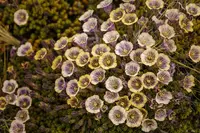
Patagonian petunia (Petunia patagonica) is a small, perennial species from the dry, open landscapes of Patagonia in southern South America. It typically forms low, compact mounds with narrow leaves and showy funnel-shaped flowers.
In nature it grows in sunny, exposed sites with well-drained, often poor, rocky soils and low to moderate rainfall. These traits make it relatively drought tolerant but less suited to very humid or waterlogged conditions.
Gardeners who care for Patagonian petunia should note its preference for strong light, free-draining soil, and protection from prolonged winter wet, which are the main factors affecting ease of cultivation.

Care Difficulty
Moderate Care

Light Preference
Full Sun

Water Requirements
Moderate Water

Temperature Preference
Warm Climate

Hardiness Zone
8–11

Soil Texture
Sandy, Loamy, Rocky

Soil pH
Acidic (5.5–6.5), Slightly acidic (6.5–7.0)

Soil Drainage
Well-drained

Fertilization
Minimal (feed rarely)
Scan your plant to receive care tips personalized for your specific plant
Available on iOS and Android
This species needs bright, open conditions to flower and stay compact.
This plant prefers slightly moist but never waterlogged soil.
This species prefers cool to mild conditions and dislikes temperature extremes.
This species prefers fairly dry air and usually does not need special humidity control.
Petunia patagonica needs a lean, very free-draining soil to prevent root problems.
This species can be grown successfully in containers when drainage and root conditions are carefully managed.
This species grows in low-nutrient habitats, so Patagonian petunia needs only modest feeding in cultivation.
Light, timely pruning keeps Petunia patagonica compact and flowering well.
This plant is often grown in the ground but can adapt to containers if handled gently during moves.
New plants are usually raised from seed, but cuttings are possible with careful conditions.
Petunia patagonica is not reliably frost hardy and benefits from thoughtful winter protection in cold regions.

Plant Health Check
Not sure what's wrong with your plant? Check your plant's health inside the app.
This species is native to the windy, open steppes of Patagonia in southern Argentina and Chile, where it grows in exposed, dry, and often nutrient-poor soils that many other ornamentals cannot tolerate.
Instead of forming the trailing or mounded shape typical of garden petunias, this plant naturally grows as a very low, compact cushion closely hugging the ground, an adaptation that reduces moisture loss and wind damage in its harsh native climate.
Wild Patagonian populations of this species are of interest to breeders and researchers because they may carry genes for cold and drought tolerance that could be useful for Petunia patagonica plant care and future ornamental breeding programs.
This species forms low, clumping mats and gradually enlarges from the base, but it does not spread aggressively by runners or invasive roots. It stays relatively contained and is usually easy to manage in rock gardens.
Keep your plants happy and healthy with plant identification, disease detection, and easy care guidance.