Achillea Care (Achillea setacea)

Also known as: yarrows, allheal, bloodwort
Achillea

About Achillea

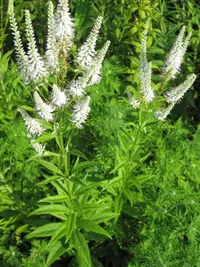
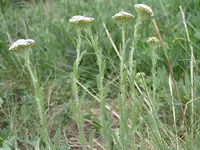
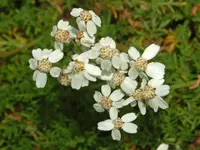
Achillea setacea is a hardy perennial herb in the daisy family, valued for its fine, feathery foliage and clusters of small, usually yellowish-white flowers. It typically forms low, tufted clumps with upright flowering stems, giving a soft, textured look in borders, meadows, and naturalistic plantings.

This species is native to dry, open habitats in parts of Europe and western Asia, so it adapts well to poor, sandy, or rocky soils. It is generally easy to grow, as it tolerates drought, full sun, and low-fertility conditions, which simplifies how to care for Achillea.

Main Plant Requirements

Care Difficulty

Easy Care

Light Preference

Full Sun

Water Requirements

Low Water

Temperature Preference

Cold Hardy

Hardiness Zone

3–9

Soil Texture

Sandy, Loamy, Rocky

Soil pH

Slightly acidic (6.5–7.0), Slightly alkaline (7.0–7.5)

Soil Drainage

Well-drained

Fertilization

Minimal (feed rarely)

Get Personalized Care Plan

Scan your plant to receive care tips personalized for your specific plant

Available on iOS and Android

How to Care for the Achillea

This sun-loving perennial thrives in open, bright positions with long hours of direct light.

  • Provide 6–8 hours of direct sun daily; Achillea setacea flowers and stays compact in full sun conditions.
  • Tolerates light partial shade, especially with 3–4 hours of morning sun, but expect fewer, looser flower clusters.
  • In very hot climates, protect from harsh late-afternoon sun with light shade to reduce leaf scorch and premature flower fading.

This drought-tolerant plant prefers infrequent, deep watering rather than constant moisture.

  • Allow the top 5–7 cm of soil to dry completely before watering; in most garden soils this means waiting several days after rain.
  • Use sharply drained soil or a raised bed so water does not pool around roots, which increases risk of rot and floppy, weak stems in Achillea setacea.
  • During hot, dry spells, watch the foliage; drooping, dull leaves signal the need for a thorough soak, while yellowing, mushy growth suggests overwatering.

This hardy species tolerates a wide temperature range once established in the garden.

  • Optimal growth occurs around 65–80°F (18–27°C), with strongest vegetative growth and flowering in mild, stable conditions.
  • Mature plants typically survive down to about -20°F (-29°C) in well-drained soil, though young plants benefit from a light mulch in their first winter.
  • Handles summer heat up to about 90–95°F (32–35°C) if soil is not waterlogged; prolonged extreme heat with drought can shorten flowering but rarely kills the plant.

This species tolerates a wide humidity range and rarely needs special adjustments in typical household or outdoor conditions.

Achillea setacea prefers lean, well-aerated mineral soils that do not stay wet.

  • Use sandy or gritty loam with low to moderate organic matter to mimic its naturally dry habitats.
  • Aim for sharply draining soil; combine 2 parts sandy garden soil with 1 part coarse sand or fine gravel and 1 part compost.
  • Keep pH slightly alkaline to neutral, around 6.8–7.5, avoiding strongly acidic conditions that weaken growth.
  • Avoid compacted, heavy clay and any mix that holds water for more than 1 day after thorough watering.

This species can grow in containers if the pot prevents waterlogging and supports its spreading habit.

  • Choose a wide, relatively shallow pot to allow surface spreading roots while preventing excess wet depth in the mix.
  • Use a heavier material like terracotta or ceramic to stabilize the plant against wind once flower stems elongate.
  • Raise the container on pot feet or bricks so drainage holes clear surfaces and runoff exits quickly after rain or watering.

This drought-tolerant Achillea setacea needs only modest feeding to maintain healthy growth and flowering.

  • Apply a light dressing of compost or well-rotted manure around the clump in early spring for gentle, slow nutrient release.
  • Use a balanced, slow-release fertilizer (around 10-10-10) at half strength once in spring if soil is poor.
  • Avoid high-nitrogen products, which encourage weak, leafy growth and fewer flowers.
  • Do not feed in late fall or winter, as the plant is resting and extra nutrients are not required.

Pruning Achillea setacea supports compact growth, cleaner foliage, and longer flowering.

  • Deadhead spent flower stems in summer with clean hand pruners to encourage further blooms and reduce self-seeding.
  • In late autumn or very early spring, cut back dead or damaged stems to just above the basal foliage.
  • Thin crowded shoots at the base to improve air movement and reduce disease risk.
  • Use sharp, disinfected tools and make clean cuts to limit tissue damage and promote quick recovery.

This species is usually grown in garden beds, so care focuses more on dividing and transplanting clumps than on frequent repotting.

  • Transplant or divide every 3–4 years in early spring or early fall when growth is slower and temperatures are mild.
  • Lift and split congested clumps, discarding woody centers and replanting healthy outer sections at the same soil depth.
  • Water thoroughly after transplanting, then keep soil lightly moist (not waterlogged) for 1–2 weeks to reduce root stress.
  • Container plants only need a larger pot when roots circle the container or growth declines, using a free-draining, gritty mix.

Achillea setacea is commonly propagated by division, cuttings, or seed to renew plantings and share material.

  • Divide mature clumps in early spring or early fall, replanting vigorous outer sections into well-drained soil.
  • Take non-flowering softwood or semi-ripe stem cuttings in late spring, rooting them in a light, moist, low-nutrient mix.
  • Sow fresh seed in trays in spring, barely covering it, and keep at 65–75°F with even moisture until germination.
  • Provide bright, indirect light and good air circulation for young plants, hardening them off before planting into open ground.

Achillea setacea is generally cold hardy in temperate climates and needs minimal winter care in the ground.

  • In late fall, allow foliage to die back naturally, then cut stems down to 5–10 cm above soil level.
  • Apply a light mulch layer around the crown in colder regions to buffer freeze–thaw cycles without smothering the plant.
  • Container-grown plants benefit from shelter in an unheated garage or porch to reduce root freeze risk while remaining cool and dormant.

Care Tips

Shear After Flush

Shear back spent flower stalks by about one-third immediately after the main flush to encourage a denser cushion of foliage and a lighter second bloom rather than a few tall, floppy stems.

Control Vigorous Spread

Use a spade to slice around clumps every 2–3 years and remove outer sections, which helps maintain strong flowering centers and prevents this rhizomatous plant from overrunning lean borders or meadows.

Lean-Soil Edge Strip

When planting near richer beds, create a 20–30 cm wide strip of very sandy, low-organic soil around the clump so excess nutrients do not reach the roots and cause weak, top-heavy growth.

Support In Windy Sites

In exposed gardens, place low, discreet ring supports or twigs around young shoots in spring so stems grow through and hold themselves upright under summer wind and occasional rain.

Selective Thinning For Air

In dense plantings, thin out a few inner stems at the base in late spring to improve air movement through the clump, which reduces mildew risk and simplifies caring for Achillea in humid climates.

Common Pests and Diseases

Powdery mildew

This disease appears as white, powdery patches on leaves and stems, often during warm days and cool, humid nights. Symptoms include reduced vigor and premature browning of the foliage.

Solution

Improve air circulation by thinning crowded clumps and avoid overhead watering, especially late in the day. Remove and discard heavily infected leaves, water at the base, and apply a sulfur or potassium bicarbonate fungicide if needed, following label directions for how to take care of Achillea in dry, sunny sites.

Botrytis blight

This disease causes gray, fuzzy mold on flowers and sometimes on leaves, especially in cool, wet weather or in dense plantings. Symptoms include browning flower heads and soft, collapsing tissue.

Solution

Remove and discard all affected flower heads and plant debris to reduce spores. Increase spacing, improve air flow, avoid wetting the foliage, and in persistent cases use a labeled fungicide during prolonged wet periods.

Aphids

These insects cluster on young stems and flower stalks, sucking sap and causing distorted growth and sticky honeydew on the plant. This pest can also attract sooty mold on the honeydew deposits.

Solution

Spray plants with a strong stream of water to dislodge colonies, and repeat every few days as needed. For heavier infestations, use insecticidal soap or a light horticultural oil, making sure to cover the undersides of stems and buds.

Spittlebugs

These insects create frothy, soap-like masses on stems and leaf nodes while feeding on plant sap. Symptoms include minor distortion or yellowing near the feeding sites and unsightly foam on the plant.

Solution

Physically remove foam masses by hand or wash them off with a firm spray of water. Keep nearby weeds down to reduce habitat, and only in severe, repeated infestations consider a targeted insecticidal soap treatment on young nymphs.

Leaf spot

This disease causes small brown or purplish spots on leaves that may merge into larger blotches in prolonged wet or humid conditions. Symptoms include thinning foliage and early leaf drop on lower parts of the plant.

Solution

Remove and dispose of affected leaves and spent stems to limit spread, and water at the soil level rather than overhead. Improve spacing and airflow around clumps, and if the problem recurs each year, apply a labeled foliar fungicide at the first appearance of new spots.

Interesting Facts

Dry-steppe specialist

This species is naturally restricted to dry steppe and sandy grassland habitats in Eastern and Central Europe, showing a strong adaptation to nutrient-poor, skeletal soils where many other perennials fail to persist.

Finely bristled leaves

Its leaves are densely covered with short, stiff hairs that reduce water loss and protect tissues from intense sunlight, a trait that reflects its origin in open, sun-exposed habitats.

Distinct yellow inflorescences

Unlike many common yarrow relatives with white or pastel flower heads, this species typically bears clear yellow composite inflorescences that stand out sharply against its grey-green foliage in dry meadows.

FAQs about Achillea

Poor flowering usually comes from too much shade, overly rich or wet soil, or lack of deadheading. Ensure full sun, avoid heavy fertilizing, and remove spent flower heads to redirect energy into new buds through the season.

Grow Healthy Plants with Botan Care

Keep your plants happy and healthy with plant identification, disease detection, and easy care guidance.

Botan plant care app — identify plants on mobile

Explore More Plants