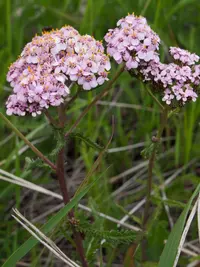
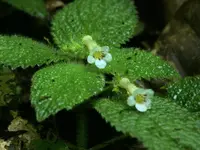
sweet woodruff Care (Galium odoratum)

Also known as: sweetscented bedstraw, Sweet Woodruff
sweet woodruff

About sweet woodruff

Sweet woodruff, Galium odoratum, is a low-growing perennial herb commonly used as a groundcover in shaded gardens. It forms dense, soft carpets of bright green leaves arranged in neat whorls around slender stems.

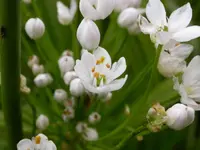
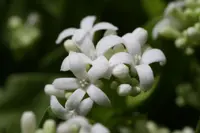
In spring, it produces small, star-shaped white flowers that add a light, airy look. The foliage develops a sweet hay-like scent when dried.

This species is native to shaded woodlands in Europe and western Asia, where it thrives in cool, moist, humus-rich soil. It spreads steadily by creeping roots, which makes it easy to establish but sometimes requires control.

Once settled in suitable shade and moisture, it is generally reliable and low-maintenance, which helps gardeners learn how to care for sweet woodruff with confidence.

Main Plant Requirements

Care Difficulty

Easy Care

Light Preference

Partial Shade

Water Requirements

Keep Soil Moist

Temperature Preference

Cold Hardy

Hardiness Zone

4–8

Soil Texture

Loamy, Silty, Organic-rich

Soil pH

Acidic (5.5–6.5), Slightly acidic (6.5–7.0)

Soil Drainage

Moist but well-drained

Fertilization

Minimal (feed rarely)

Get Personalized Care Plan

Scan your plant to receive care tips personalized for your specific plant

Available on iOS and Android

How to Care for the sweet woodruff

This woodland perennial prefers cool, shaded conditions that mimic a forest floor.

  • Provide dappled or filtered light with 1–3 hours of gentle morning sun; avoid strong afternoon sun that can scorch foliage.
  • Site sweet woodruff in partial to full shade under trees, shrubs, or on the north or east side of buildings for most climates.
  • In hotter summers, increase shade from late spring, while in cooler regions a few extra hours of soft light help maintain dense growth.

This plant prefers consistently moist, cool soil without becoming waterlogged.

  • Water when the top 2–3 cm of soil feel barely damp, aiming for evenly moist soil during active growth in spring and early summer.
  • Improve drainage with organic matter so excess water drains away, reducing the risk of root rot and yellowing, limp stems from overwatering.
  • In midsummer heat, monitor more often for wilting or dry, crisp leaves; in fall and winter, reduce watering as growth slows and rainfall increases.

This groundcover thrives in cool, temperate conditions and dislikes extreme heat.

  • Optimal growth occurs around 55–70°F (13–21°C), especially in spring and early summer when soil remains cool and moist.
  • The plant tolerates winter cold down to about 0°F (−18°C) in the ground, dying back above soil while the root system survives.
  • In hot regions, protect from sustained temperatures above 80–85°F (27–29°C) with shade and mulch to keep roots cooler and prevent stress.

This species prefers moderately moist air but usually adapts to typical home humidity.

  • Aim for 40–60% humidity, which matches many shaded outdoor spots and most homes.
  • Tolerates brief drier air, but leaf edges may brown and growth may slow under very dry indoor heating.
  • Increase humidity for sweet woodruff by grouping plants, using a pebble tray, or placing it in a more sheltered, less windy location.

This woodland perennial needs loose, humus-rich soil that stays evenly moist yet drains freely.

  • Use a mix of 50–60% garden loam or potting soil with 30–40% leaf mold or compost and 10–20% fine bark for structure.
  • Soil should drain within a few minutes after watering but retain slight moisture when squeezed, not form a sticky ball.
  • Keep pH slightly acidic to neutral, around 5.5–7.0, which suits Galium odoratum in most temperate gardens.
  • Avoid heavy clay that compacts, waterlogged low spots, or pure sand; amend with compost and fine bark to improve aeration and moisture balance.

This species can grow in containers if the pot supports its shallow, spreading root system.

  • Choose a wide, shallow container so stolons can spread outward rather than a tall, narrow pot that dries too fast at the top.
  • Use a heavier clay or ceramic pot outdoors to stabilize the spreading foliage against wind and accidental knocks.
  • Raise the pot slightly on feet or bricks so drainage holes stay clear and excess water escapes quickly after rain or watering.

This woodland groundcover needs only modest feeding in average garden soil.

  • For garden beds, incorporate a thin layer of compost or leaf mold in spring instead of frequent fertilizer applications.
  • If growth is weak, use a balanced 10-10-10 or 14-14-14 slow-release fertilizer at 1⁄2 strength once in mid-spring.
  • Avoid feeding in late fall or winter, as sweet woodruff is semi-dormant and excess nutrients can leach away.

Light pruning keeps Galium odoratum dense, tidy, and flowering well.

  • Shear or clip the patch after main flowering in late spring to early summer to encourage fresh foliage.
  • Use clean hand shears or scissors to remove dead, damaged, or yellowing stems at the base.
  • Thin crowded or sprawling areas by cutting back runners to maintain edges and prevent unwanted spread.

This plant is usually grown as a groundcover and is moved by transplanting rather than frequent repotting.

  • Transplant clumps in early spring or early fall, when temperatures are mild and soil moisture is steady.
  • Look for slow spread, sparse foliage, or bare centers as signs that sections should be lifted and redistributed.
  • Dig wide, shallow sections to keep the fibrous root system intact, and replant at the same depth in humus-rich soil.
  • Water thoroughly after moving and shade the area for a few days to reduce transplant shock and wilting.

Galium odoratum is commonly propagated by division, with seeds and cuttings used less often.

  • Divide mature clumps in early spring or early fall, lifting and gently pulling apart rooted sections with several shoots.
  • Replant divisions into moist, humus-rich soil, spacing them 20–30 cm apart to allow spreading.
  • Sow fresh seed outdoors in fall; natural winter chilling improves germination in spring.
  • For cuttings, root non-flowering shoots in a loose, moist mix in bright shade and keep humidity moderately high.

This species is cold hardy in much of the US and usually needs minimal winter care in the ground.

  • In cold climates, a 3–5 cm layer of leaf mulch insulates the root zone and mimics woodland litter.
  • Allow top growth to die back naturally; new shoots emerge from the crown in spring.
  • Container-grown plants in zones colder than the plant’s rating benefit from overwintering in an unheated, frost-free garage or porch.

Care Tips

Use leaf mulch

Apply a 2–3 cm layer of shredded leaf mulch around plants each autumn to mimic woodland conditions, keep roots cool, and gradually improve the soil structure.

Control spread edges

Limit unwanted spread by cutting a narrow spade trench or inserting shallow root barriers (10–15 cm deep) along borders once a year, then lifting and removing any creeping stems that cross the line.

Refresh congested patches

Every 3–4 years, lift overly dense mats in early spring, divide them into smaller sections, discard weak or woody centers, and replant only the freshest outer pieces for vigorous regrowth.

Encourage dense groundcover

After flowering, lightly shear back the top growth with clean shears to promote fresh foliage, reduce legginess, and maintain a low, even carpet.

Drying for fragrance

For those caring for sweet woodruff as an ornamental and fragrant herb, harvest non-sprayed stems just as flowering starts, then air-dry them in thin bundles in a shaded, well-ventilated place to use later in sachets or potpourri.

Common Pests and Diseases

Rust

This disease causes small orange to brown pustules on the undersides of leaves, often leading to yellowing and early leaf drop in moist, shaded beds.

Solution

Remove and discard affected leaves, avoid overhead watering, and thin nearby vegetation to improve air circulation; in persistent cases, apply a sulfur or copper-based fungicide according to label directions as part of broader Galium odoratum care.

Powdery mildew

This disease produces a white, powdery coating on leaves and stems, which can cause distortion and reduced vigor in dense groundcover patches.

Solution

Increase light and airflow by thinning overcrowded areas, water at soil level in the morning, remove heavily infected foliage, and use a potassium bicarbonate or neem oil spray if the problem continues.

Slugs and snails

These pests chew irregular holes in leaves and can skeletonize young growth, especially in damp, shaded sites where sweet woodruff thrives.

Solution

Hand-pick slugs and snails in the evening, use iron phosphate bait around plantings, and reduce hiding spots by removing debris and dense mulch directly against the crowns.

Spider mites

These insects may appear during hot, dry periods, causing fine stippling, dull leaves, and light webbing on stems and foliage.

Solution

Rinse foliage thoroughly with a firm stream of water to dislodge mites, increase ambient humidity around the planting, remove heavily infested stems, and apply insecticidal soap or horticultural oil to the undersides of leaves if needed.

Leaf spot

This disease leads to small brown or black spots on leaves, sometimes with yellow halos, which can merge and cause partial defoliation in humid conditions.

Solution

Remove and dispose of spotted leaves, water at the base to keep foliage dry, keep the groundcover from becoming overly dense, and use a labeled ornamental fungicide if cultural changes do not stop new lesions from forming.

Interesting Facts

Coumarin scent release

When the leaves and stems are dried or crushed, they release a strong hay‑like, vanilla‑toned scent due to coumarin compounds that form as the plant wilts and dries, not while it is fresh.

Spring woodland carpet

This species naturally forms dense, low groundcover in deciduous forests, leafing out and flowering in spring before tree canopies fully close and then tolerating deep summer shade.

Chemical grazing defense

The coumarin compounds that give its characteristic fragrance also function as a defense against many herbivores and microbes, reducing feeding and decay on its tissues.

Botan icon

Did you know?

In several European traditions, dried sweet woodruff was historically used to scent household linens, church interiors, and ceremonial garlands because its fragrance becomes stronger and longer lasting after drying rather than when the plant is fresh.

FAQs about sweet woodruff

This plant spreads steadily by creeping roots and self-seeding, forming dense mats over time. In favorable, moist shade it can overtake smaller neighbors, so edge beds or use barriers if you want to limit its spread.

Grow Healthy Plants with Botan Care

Keep your plants happy and healthy with plant identification, disease detection, and easy care guidance.

Botan plant care app — identify plants on mobile

Explore More Plants