Bulb division timing
Lift and divide clumps only after foliage has fully yellowed and dried, then replant the firm, healthy bulbs at the same depth to maintain flowering performance and prevent overcrowding.

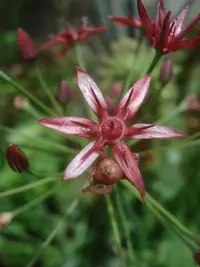
Gland onion (Allium glandulosum) is a small perennial bulb in the onion family, valued mainly for its compact clumps of narrow leaves and modest flower heads. It usually forms low tufts, giving a neat, grassy look suitable for rock gardens, borders, or naturalistic plantings.
This species is native to parts of North America, where it grows in open, often dry habitats. It tends to be resilient once established, but dislikes heavy, waterlogged soil.
In cultivation it prefers sun, good drainage, and moderately moist but not soggy conditions. Understanding these basic needs makes it easier to care for gland onion in home gardens or small collections.

Care Difficulty
Moderate Care

Light Preference
Full Sun

Water Requirements
Moderate Water

Temperature Preference
Cool Climate

Hardiness Zone
4–8

Soil Texture
Sandy, Loamy, Rocky

Soil pH
Slightly acidic (6.5–7.0), Neutral (7.0)

Soil Drainage
Well-drained

Fertilization
Minimal (feed rarely)
Scan your plant to receive care tips personalized for your specific plant
Available on iOS and Android
This sun-loving bulb forms best flowers with strong, direct light exposure.
This species prefers relatively dry conditions and is sensitive to excess moisture around the bulbs.
This hardy bulb tolerates a wide temperature range but has clear preferences for strong growth and flowering.
Humidity is rarely critical for Allium glandulosum, which thrives in typical dry outdoor air.
Allium glandulosum prefers a lean, fast-draining mineral substrate that mimics dry, rocky habitats.
This species is suitable for container growing if the pot is set up to stay sharply drained and relatively dry.
This bulb has modest nutrient needs, so light feeding supports flowering without forcing soft, weak growth in gland onion.
Pruning Allium glandulosum is minimal and focuses on keeping the clump tidy and supporting bulb health.
This species is more often transplanted in garden beds than repotted, as bulbs prefer stable conditions and dislike frequent disturbance.
Propagation of Allium glandulosum is straightforward through bulb division and, less commonly, from seed.
This hardy bulb usually needs little special winter care in most temperate climates.

Plant Health Check
Not sure what's wrong with your plant? Check your plant's health inside the app.
This species has distinctive glandular spots and hairs on its leaves and scapes, which give it a slightly sticky feel and inspired the name glandulosum, meaning gland-bearing.
Allium glandulosum is naturally found in open, often dry steppe and rocky habitats in parts of Central Asia and northern China, showing clear adaptation to sunny, wind-exposed sites.
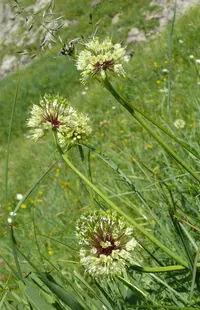
The plant produces relatively small, dense, spherical clusters of pink to lilac flowers on short stalks, creating a low, tidy flowering display compared with many taller ornamental alliums.
Lack of flowering usually comes from insufficient sun, overcrowded bulbs, or nutrient-poor, exhausted soil. Ensure full light exposure, avoid heavy shade from neighboring plants, and divide congested clumps every few years to restore bloom performance.
Keep your plants happy and healthy with plant identification, disease detection, and easy care guidance.