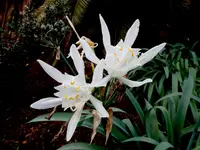
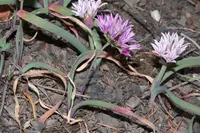
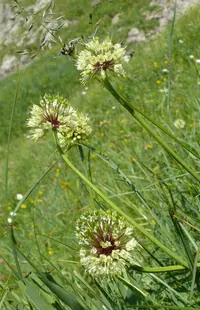
glassy onion Care (Allium hyalinum)

glassy onion

About glassy onion

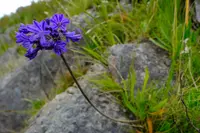
Glassy onion, Allium hyalinum, is a small bulb-forming perennial from dry, rocky habitats in the Mediterranean region and parts of western Asia. It is often grown as an ornamental curiosity in rock gardens and specialized collections.

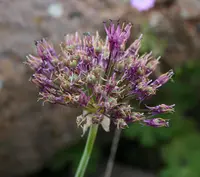
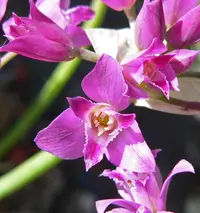
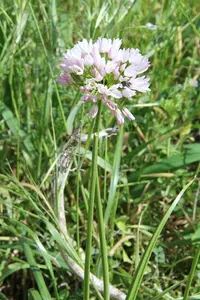
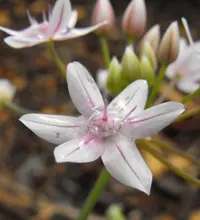
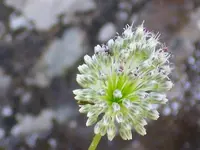
The plant forms slender, grass-like leaves and delicate, glassy-looking white to pale pink flower clusters on short stems. It usually grows in clumps and remains low, making it easy to place among stones or in shallow containers.

Its origins in sunny, open sites mean it prefers good light, sharp drainage, and relatively lean, dryish soil. These traits generally make it undemanding once established, and learning how to care for glassy onion mainly involves avoiding excess moisture and heavy soil.

Main Plant Requirements

Care Difficulty

Easy Care

Light Preference

Full Sun

Water Requirements

Moderate Water

Temperature Preference

Cool Climate

Hardiness Zone

5–8

Soil Texture

Sandy, Loamy, Rocky

Soil pH

Slightly acidic (6.5–7.0), Neutral (7.0)

Soil Drainage

Well-drained

Fertilization

Minimal (feed rarely)

Get Personalized Care Plan

Scan your plant to receive care tips personalized for your specific plant

Available on iOS and Android

How to Care for the glassy onion

Allium hyalinum prefers bright, open conditions typical of many small ornamental onions.

  • Provide 6–8 hours of direct sun daily; morning sun with light afternoon shade suits most climates.
  • Tolerates light partial shade, but flowering of glassy onion decreases if it receives under 4–5 hours of sun.
  • In hot summers, protect from intense late-afternoon sun to reduce leaf scorch, and ensure plants are not shaded by taller perennials as the season progresses.

This small bulb prefers slightly dry, well-drained conditions rather than constant moisture.

  • Allow the top 3–5 cm of soil to dry before watering; soil should feel dry to the touch, not just at the surface.
  • During active growth and flowering, water deeply but infrequently, then reduce watering as foliage yellows and bulbs enter dormancy.
  • Yellowing, limp leaves in damp soil suggest overwatering and possible rot, while flaccid, curling leaves in dry, dusty soil indicate underwatering; sharp drainage is essential.

This species is adapted to temperate climates with cool to mild growing seasons.

  • Optimal growth occurs around 55–70°F (13–21°C), especially in spring when shoots emerge and buds form.
  • Dormant bulbs tolerate brief drops near 20°F (-6°C) if soil drains well, but repeated hard freezes without mulch can reduce survival.
  • Plants manage dry summer heat up to about 85–90°F (29–32°C) if soil does not stay wet, but prolonged heat combined with high moisture increases bulb rot risk.

Humidity is not a critical factor for Allium hyalinum, which is naturally adapted to dry, airy conditions.

Allium hyalinum prefers light, fast-draining soil that mimics its native rocky habitats.

  • Use a sandy or gritty loam with low to moderate organic matter to avoid waterlogging around the bulbs.
  • Aim for slightly alkaline to neutral pH, roughly 6.8–7.5, which supports healthy root and foliage development.
  • Mix coarse sand or fine gravel with standard potting mix to increase aeration and speed water movement through the root zone.
  • Avoid heavy clay, compacted, or constantly wet substrates that encourage bulb rot and fungal problems.

This species adapts well to container growing when drainage and shallow rooting needs are considered.

  • Choose a wide, shallow pot so bulbs sit near the surface and excess moisture does not collect deeply around them.
  • Use a mineral-rich, gritty mix in containers to prevent stagnant moisture that often develops in dense potting media.
  • Place the container slightly raised on pot feet or bricks so drainage holes clear easily and runoff water does not pool underneath.

Allium hyalinum is a small bulb that needs only light feeding to perform well in garden or container settings.

  • Apply a balanced liquid fertilizer (for example 10-10-10) diluted to 1/2 strength every 4–6 weeks during active spring growth.
  • In lean soils, mix a thin layer of compost into the top 2–3 cm of soil before growth begins.
  • Avoid high-nitrogen products, which encourage soft foliage over flowers in glassy onion.
  • Stop feeding once foliage begins to yellow and enter dormancy; do not fertilize in winter.

Pruning needs for Allium hyalinum are minimal and focus on cleanliness rather than shaping.

  • In late spring or after flowering, remove spent flower stalks at the base to keep clumps tidy and reduce self-seeding.
  • Trim yellowing or damaged leaves with clean, sharp scissors or snips to limit disease spread.
  • Avoid cutting healthy green foliage, since it is needed for the bulb to store energy for next season.
  • Disinfect tools before and after use if working on plants with any signs of rot or fungal spotting.

This bulb is usually grown in the ground, so transplanting is more common than container repotting.

  • Transplant clumps in late summer to early fall, once foliage has died back and bulbs are dormant.
  • Look for crowded clumps, reduced flowering, or bulbs pushing to the soil surface as signs that division or moving is needed every 3–4 years.
  • Lift bulbs gently with a hand fork, keeping roots and attached soil as intact as possible to limit stress.
  • Replant bulbs at similar depth in well-drained soil, water lightly once, then allow them to settle without heavy disturbance.

Allium hyalinum is typically propagated by seed or by dividing dormant bulbs.

  • Sow fresh seeds in fall or early spring in a gritty, well-drained mix, keeping temperatures around 60–70°F for germination.
  • Lightly cover seeds, keep evenly moist but not waterlogged, and provide bright, indirect light.
  • For division, lift dormant clumps in late summer and gently separate offsets from parent bulbs.
  • Replant divisions immediately at original depth and spacing, then water once to settle soil around the bulbs.

This small Allium is generally cold hardy in temperate climates and needs limited winter attention in the ground.

  • In regions with severe freezes below about 0°F, apply a 3–5 cm layer of dry mulch over the bulb zone after soil cools.
  • Keep mulch slightly away from the crown to avoid excess moisture and rot.
  • Move container-grown bulbs into a sheltered, unheated garage or cold frame where they stay cool but not waterlogged.

Care Tips

Controlled clump division

Lift and divide congested clumps every 2–3 years in late summer after foliage dies back, replanting only the firm, healthy bulbs to keep flowering strong and prevent overcrowding.

Seed collection timing

If you want self-produced seed, allow a few flower heads to dry fully on the plant, then cut and shake them into a paper bag so you can resow or share seed while avoiding uncontrolled self-seeding in the bed.

Bulb depth marking

After planting, mark rows or clumps with low, durable labels at the correct bulb depth position so future cultivation or weeding does not accidentally slice into the shallow bulbs.

Targeted weed control

Hand-weed or use a narrow hand hoe when the soil is slightly moist, removing competing seedlings around the bulbs without disturbing their shallow root zone.

Dry-season protection

In regions with wet summers, place a simple rain shield or use sharply drained berms during the plant’s dormant period to keep bulbs from sitting in saturated soil, which reduces rot risk when caring for glassy onion.

Common Pests and Diseases

Onion thrips

This pest feeds by rasping and sucking sap from leaves, causing silvery streaks, fine speckling, and gradual yellowing on the narrow foliage. Symptoms include reduced vigor and distorted growth, especially in dry, warm weather.

Solution

Inspect foliage closely, then hose plants with a strong but controlled stream of water to dislodge thrips, and remove heavily damaged leaves. If needed, apply insecticidal soap or a neem oil spray, repeating every 5–7 days, and reduce dust and plant stress by maintaining moderate soil moisture and spacing clumps for airflow.

Allium leaf miner

This pest creates winding, pale tunnels inside leaves and flower stalks, and larvae can cause wilting or collapse of affected parts. Symptoms include puncture marks in rows on leaves and brown, rotting tissue along mined areas.

Solution

Remove and destroy infested leaves and any soft, collapsing bulbs to break the life cycle, then use fine insect netting over plantings during the main adult flight periods in spring and fall. Avoid leaving allium debris in the bed and rotate planting spots if the pest has been present in previous years.

Downy mildew

This disease produces pale yellow patches on leaves that later turn brown, often with a gray or purplish fuzzy growth on the undersides in humid, cool weather. Symptoms include leaf collapse and weakened bulbs if infection is severe.

Solution

Remove and discard affected leaves promptly, then improve air movement by thinning crowded clumps and watering at soil level in the morning so foliage dries quickly. In areas with repeated problems, avoid overhead irrigation and consider a preventive copper-based fungicide during long, cool, damp periods, following label directions carefully.

Neck rot

This disease starts at the neck of the bulb, leading to soft, sunken, or watery tissue that later dries into a firm, grayish rot. Symptoms include poor storage life and collapse of bulbs after flowering if conditions remain cool and humid.

Solution

Allow foliage to dry well before cutting it back and avoid overwatering, especially toward the end of the growth cycle, to support proper bulb curing. Discard any bulbs that feel soft at the neck, improve soil drainage with grit or sand, and avoid replanting alliums in the same poorly drained spot where infected bulbs grew.

Interesting Facts

Translucent tepals

The flowers have thin, glassy tepals that let light pass through, giving the bloom a translucent, almost crystalline look that inspired the common name glassy onion.

Mediterranean life cycle

This bulb is native to Mediterranean-type climates, where it grows actively in the cool, moist season and then retreats into the bulb during the hot, dry summer as a survival strategy.

Open rocky habitats

In the wild it typically colonizes open, stony or rocky ground with very thin soils, showing a strong adaptation to high light, rapid drainage, and low nutrient availability.

FAQs about glassy onion

Lack of flowers usually comes from insufficient light, overcrowded bulbs, or nutrient-poor, compacted soil. Allow a cool, relatively dry rest after foliage dies back, then resume watering and light feeding to support next season’s flower initiation.

Grow Healthy Plants with Botan Care

Keep your plants happy and healthy with plant identification, disease detection, and easy care guidance.

Botan plant care app — identify plants on mobile

Explore More Plants