Pink Garlic Care (Allium trifoliatum)

Also known as: hirsute garlic
Pink Garlic

About Pink Garlic

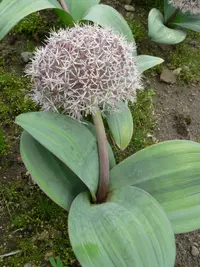
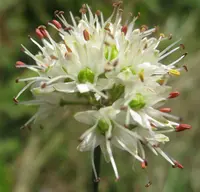
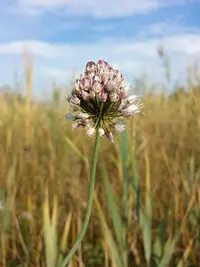
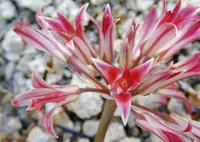
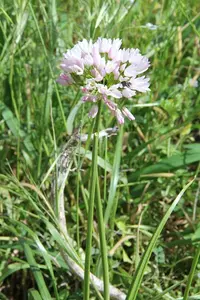
Pink garlic, Allium trifoliatum, is a small bulb-forming perennial in the onion family, grown mainly for its delicate flowers rather than for kitchen use. It produces slender, grass-like leaves and upright stems topped with loose clusters of soft pink to white star-shaped blooms. Plants grow in clumps and often naturalize gently where conditions suit them.

This species is native to the Mediterranean region, where it experiences dry summers and mild, wetter winters. It suits gardeners looking for a relatively low-maintenance ornamental allium, as long as soil drains well and the site is reasonably sunny. Understanding how to care for Pink Garlic becomes easier once its dry-summer, well-drained origin is kept in mind.

Main Plant Requirements

Care Difficulty

Easy Care

Light Preference

Full Sun

Water Requirements

Moderate Water

Temperature Preference

Cold Hardy

Hardiness Zone

6–9

Soil Texture

Sandy, Loamy, Rocky

Soil pH

Slightly acidic (6.5–7.0), Slightly alkaline (7.0–7.5)

Soil Drainage

Well-drained

Fertilization

Minimal (feed rarely)

Get Personalized Care Plan

Scan your plant to receive care tips personalized for your specific plant

Available on iOS and Android

How to Care for the Pink Garlic

Allium trifoliatum grows best in bright, open conditions with several hours of direct sun each day.

  • Provide 6–8 hours of direct sun, ideally with morning sun and light afternoon shade in hotter regions, for strong flowering of Pink Garlic.
  • Plant in an open, unshaded bed; it tolerates light partial shade (3–4 hours sun) but stems may elongate and flowers can be fewer.
  • Avoid deep shade, which leads to weak, floppy growth, and protect from intense reflected heat that can scorch foliage in midsummer.

Allium trifoliatum prefers infrequent, deep watering in free-draining soil to protect the bulbs from rot.

  • Water only when the top 3–5 cm of soil are dry, soaking the root zone once rather than giving small, frequent amounts.
  • Use gritty, well-drained soil; standing water or heavy clay that stays wet for days greatly increases risk of bulb rot and leaf yellowing.
  • Reduce watering after flowering as foliage dies back; very soft bulbs and foul odor suggest overwatering, while shriveled bulbs and limp leaves indicate prolonged dryness.

This bulb thrives in climates with cool to mild winters and warm, dry summers.

  • Active growth and flowering occur best around 55–70°F (13–21°C), typical of late winter to spring in many temperate regions.
  • Dormant bulbs tolerate winter cold down to about 10–15°F (-12–-9°C) if soil is well drained; mulching helps buffer sudden freezes.
  • Established plants handle dry summer heat up to about 90°F (32°C), but prolonged extremes above this or repeated freeze–thaw cycles can damage bulbs.

Allium trifoliatum handles a wide humidity range and usually does not need special adjustment in typical home or garden conditions.

Allium trifoliatum prefers a light, well-aerated mineral-based substrate that stays evenly moist but never waterlogged.

  • Use a sandy or gritty loam with 30–50% sharp sand, fine gravel, or grit to keep pores open and prevent compaction around bulbs.
  • Incorporate a modest amount of mature compost or leaf mold (10–20%) to add nutrients without making the mix heavy or soggy.
  • Aim for slightly alkaline to neutral pH around 6.8–7.5; avoid strongly acidic mixes that can reduce nutrient availability for bulb development.
  • Avoid dense clay, peat-heavy, or poorly drained beds; if soil is heavy, raise the planting area and mix in extra grit and coarse sand for drainage.

This species is suitable for container growing, especially in climates with wet winters or limited garden space.

  • Select a pot at least 20–25 cm deep so bulbs can sit several bulb-heights below the rim while still allowing a dry surface layer.
  • Choose unglazed terracotta or another porous material to speed evaporation and reduce the risk of bulbs sitting in damp conditions.
  • Elevate the container on pot feet or bricks so drainage holes stay clear and excess winter rain can run off freely without pooling under the pot.

Allium trifoliatum grows well in lean soil but light feeding supports flowering, especially in containers.

  • Apply a balanced slow-release fertilizer (for example 10-10-10) at half strength once in early spring as growth starts.
  • For Pink Garlic in pots, supplement with a diluted liquid balanced feed every 4–6 weeks during the active growing season.
  • Avoid high-nitrogen products, which push leafy growth over flowers, and always water before and after feeding.
  • Stop fertilizing once foliage begins to yellow and the plant heads toward summer dormancy.

Allium trifoliatum needs minimal pruning, focused on cleaning up foliage and managing seedheads.

  • Cut spent flower stalks at the base after blooming to direct energy back to the bulbs instead of seed production.
  • Remove yellowing or damaged leaves at ground level with clean, sharp scissors or hand pruners.
  • Thin out crowded stems in dense clumps to improve air flow and reduce foliar disease risk.
  • Leave healthy foliage until it naturally withers, as it is still photosynthesizing and feeding the bulb.

Bulb clumps of Allium trifoliatum are more often lifted and divided than repotted in containers.

  • Transplant or divide clumps every 3–4 years in late summer to early fall, once foliage has fully died back.
  • Look for overcrowded bulbs, reduced flowering, or bulbs pushing to the soil surface as signs that division is due.
  • Lift bulbs gently with a fork, separate offsets by hand, and replant at the same depth in well-drained soil.
  • Water lightly after transplanting, then keep soil just slightly moist to limit root stress while bulbs re-establish.

New Allium trifoliatum plants are commonly produced by bulb division and sometimes from seed.

  • Divide mature clumps in late summer or early fall, when bulbs are dormant and foliage has disappeared.
  • Carefully separate offsets from the parent bulb, discard any soft or diseased bulbs, and replant promptly.
  • Sow fresh seed in autumn in a gritty, well-drained mix outdoors or in a cold frame for natural chilling.
  • Maintain even, light moisture and bright light; seedlings usually need 2–3 years to reach flowering size.

This bulb is generally cold hardy in temperate climates and needs only modest winter care in the ground.

  • In zones with freeze-thaw cycles, apply a 5–8 cm layer of loose mulch over the bulb area after soil cools.
  • Use straw, shredded leaves, or bark mulch, keeping it slightly away from the crown to avoid rot.
  • For container-grown plants, move pots to a sheltered, unheated but frost-free spot or bury the pot to insulate roots.

Care Tips

Bulb spacing strategy

Stagger bulbs in small clusters with 8–10 cm between clusters to create a natural-looking drift while still allowing good air flow that reduces fungal issues.

Post-bloom bulb care

After flowering, deadhead the spent blooms but leave the foliage intact until it yellows fully, so bulbs can recharge and form stronger flowering clumps for the next season.

Summer dormancy protection

Mark bulb locations and add a thin gravel or coarse sand mulch layer in summer to keep the soil free-draining and prevent accidental overwatering or digging during dormancy.

Container refresh schedule

In pots, lift and divide crowded bulbs every 2–3 years in late summer, replanting only the firm, healthy bulbs into fresh, sharply drained mix to maintain strong flowering when growing Pink Garlic.

Companion planting use

Plant near low-growing perennials or groundcovers that tolerate dry summer soil, so they can hide fading foliage while sharing the same low-water, full-sun conditions.

Common Pests and Diseases

onion thrips

This pest feeds by rasping leaf surfaces and sucking sap, leading to silvery streaks, fine speckling, and gradual yellowing or drying of the foliage.

Solution

Reduce nearby grass and weedy hosts, then spray foliage with a strong stream of water to dislodge insects and use insecticidal soap or a spinosad-based product, repeating every 5–7 days during heavy infestations; avoid overhead irrigation late in the day to limit leaf wetness and secondary fungal issues.

allium leaf miner

This pest is a small fly whose larvae tunnel inside leaves and scapes, causing winding mines, distorted growth, and premature yellowing and collapse of foliage.

Solution

Remove and destroy affected leaves and bulbs after noticing mines or exit holes, use fine insect mesh or row covers over plants during the adult flight periods, and rotate plantings so Allium species are not grown repeatedly in the same spot.

downy mildew

This disease causes pale, slightly sunken patches on leaves that develop into yellow areas with a gray-violet, downy growth on the undersides, leading to leaf collapse in humid, cool conditions.

Solution

Improve air circulation and avoid overhead watering, remove and discard infected foliage, and in areas with recurring problems consider preventive applications of a labeled copper or phosphonate fungicide at the first sign of symptoms, especially in dense plantings.

white rot

This disease is a soil-borne fungal problem that leads to yellowing and wilting of leaves from the tips downward, with water-soaked bases and white, fluffy fungal growth and small black sclerotia on bulbs and roots.

Solution

Remove and destroy affected plants including as much surrounding soil as possible, avoid replanting any Allium species in the contaminated bed for many years, and start new plants only in clean, well-drained soil with disease-free bulbs.

Interesting Facts

Mediterranean rock specialist

This species naturally grows on rocky limestone slopes and coastal cliffs in the eastern Mediterranean, often in very shallow, stony soils where many other bulbs cannot persist.

Distinctive three-leaf habit

Unlike many ornamental onions, this plant commonly shows 2–3 narrow basal leaves and a relatively delicate, slender flowering stalk, reflecting the meaning of its name trifoliatum (three-leaved).

Pink-striped star flowers

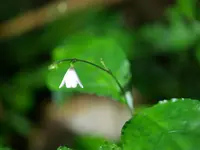
The flowers are white to pale pink with a characteristic pink midvein on each tepal, forming loose, airy clusters that are important early-season nectar and pollen sources for local bees and other insects.

Botan icon

Did you know?

Allium trifoliatum has been recognized as part of the native wild flora of countries such as Greece, Turkey, Lebanon, Israel, and surrounding regions, and some regional floras treat certain local forms as distinct subspecies, reflecting its long evolutionary history and geographical differentiation around the eastern Mediterranean Basin.

FAQs about Pink Garlic

This species usually flowers in late spring to early summer, depending on climate. The umbels of pink blossoms often remain attractive for 2–4 weeks, though heat, wind, and drought can shorten the display.

Grow Healthy Plants with Botan Care

Keep your plants happy and healthy with plant identification, disease detection, and easy care guidance.

Botan plant care app — identify plants on mobile

Explore More Plants