Adonis volgensis Care

Adonis volgensis

About Adonis volgensis

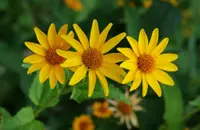
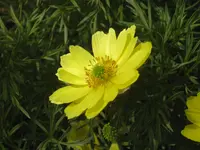
Adonis volgensis is a small, herbaceous perennial from the buttercup family, valued mainly for its bright yellow, early spring flowers. It forms low clumps of finely divided, fern-like foliage that die back after flowering, leaving the ground bare in summer.

This species occurs naturally in steppe and open woodland habitats of Eastern Europe and parts of western Asia. It prefers sunny, well-drained sites and does not tolerate waterlogging or heavy disturbance, which can make it somewhat challenging to establish. With appropriate placement and stable conditions, it can be a long-lived feature, and understanding how to care for Adonis volgensis helps maintain its reliable spring display.

Main Plant Requirements

Care Difficulty

Moderate Care

Light Preference

Full Sun

Water Requirements

Moderate Water

Temperature Preference

Cold Hardy

Hardiness Zone

4–7

Soil Texture

Sandy, Loamy, Organic-rich

Soil pH

Acidic (5.5–6.5), Slightly acidic (6.5–7.0)

Soil Drainage

Well-drained

Fertilization

Minimal (feed rarely)

Get Personalized Care Plan

Scan your plant to receive care tips personalized for your specific plant

Available on iOS and Android

How to Care for the Adonis volgensis

This early spring perennial prefers bright, cool conditions with protection from harsh midday sun.

  • Place Adonis volgensis in full sun to light partial shade, ideally with 4–6 hours of direct morning sun and dappled or high open shade in the afternoon.
  • In hotter climates, choose an east- or north-facing exposure or light shade from deciduous shrubs to prevent leaf scorch and premature dieback.
  • In late winter and early spring, maximize light by avoiding heavy mulch or leaf cover over emerging shoots, then allow more shade as surrounding plants leaf out.

This species prefers evenly moist, well-drained soil and dislikes standing water, especially in winter.

  • Water when the top 2–4 cm of soil feels dry, aiming for consistently moist but never saturated conditions during active growth in late winter and spring.
  • Ensure sharp drainage with gritty or loamy soil; persistent wetness, a sour smell, or blackened crowns indicate overwatering and risk of rot.
  • Reduce watering sharply once foliage yellows and dies back in late spring, keeping soil only slightly moist; very limp, shrinking buds next season may signal past drought stress.

This hardy perennial is adapted to cold winters and cool springs, with moderate tolerance of summer heat.

  • Active growth is best at 45–65°F (7–18°C), matching early spring conditions in temperate climates.
  • Dormant crowns tolerate at least 0°F (-18°C) in the ground with mulch; extended freeze–thaw cycles in poorly drained soil are more damaging than low air temperatures.
  • In summer, plants tolerate short warm spells up to about 85°F (29°C), but prolonged heat and drought can weaken roots, so site in a cooler, lightly shaded position where soil does not bake.

This species prefers cool, relatively dry air and usually does not need special humidity control outdoors.

  • Aim for 35–50% humidity; prolonged values above 60% around dense foliage can favor fungal spots on leaves and stems.
  • Dry indoor air is tolerated, but combine with cooler temperatures to prevent leaf scorch and premature dormancy.
  • Humidity stress shows as soft, rotting crowns in persistently damp air; increase airflow with spacing, gentle fans, or an open, breezy location.

Adonis volgensis grows best in light, well-drained, humus-rich soil that never stays waterlogged.

  • Use a loose loam or sandy loam with 30–40% compost or leaf mold to provide organic matter and moisture retention without clogging pores.
  • Ensure sharp drainage by blending in mineral grit such as coarse sand or fine gravel, especially in heavy or clay-based garden soils.
  • Aim for slightly alkaline to neutral pH around 6.8–7.5, incorporating a small amount of garden lime if soil is distinctly acidic.
  • Avoid compacted, sticky, or peat-heavy mixes that hold water around the crown; work in coarse material to improve aeration before planting.

This species can be grown in containers for cool, outdoor display if drainage is carefully managed.

  • Select a deep pot that allows the taproot to extend straight down without bending, which reduces stress and dieback risk.
  • Use a heavy clay or ceramic container outdoors to stabilize the plant against wind while preventing the mix from drying too rapidly.
  • Raise the pot on feet or spacers so drainage holes stay clear and excess water can escape quickly after rain or irrigation.

This spring‑flowering perennial grows slowly and needs only light, targeted feeding.

  • Apply a balanced, slow‑release fertilizer (e.g., 10‑10‑10) at low label rate once in early spring as new growth emerges.
  • Alternatively, top‑dress with a thin layer of fine compost around, not on, the crown of Adonis volgensis.
  • Avoid summer and winter feeding; the plant is semi‑dormant and excess nutrients may stress roots.
  • Water after feeding to distribute nutrients through the root zone without leaving fertilizer on foliage.

This species needs minimal pruning, mainly for hygiene and to tidy the clump.

  • In late spring after flowering, cut back spent flower stalks at the base with clean, sharp scissors or hand pruners.
  • Remove yellowing, damaged, or diseased leaves promptly to reduce fungal issues and maintain airflow around Adonis volgensis.
  • Leave healthy foliage until it dies back naturally, as it feeds the roots for next year’s flowers.
  • Disinfect tools before and after use, especially if disease is present, to limit pathogen spread.

This plant dislikes disturbance and is best left in one spot once established.

  • Only consider transplanting in early autumn or very early spring, when top growth is minimal and soil is cool and moist.
  • Select a permanent site with well‑drained, humus‑rich soil; Adonis volgensis resents frequent lifting or container culture.
  • Transplant when growth declines or clumps are clearly congested, moving the whole root ball with as much soil as possible.
  • Replant at the same depth, firm soil gently, water thoroughly, and shade lightly for 1–2 weeks to reduce transplant shock.

Propagation is possible but slow, and plants respond poorly to rough handling.

  • Divide established clumps only every several years, in early autumn, lifting with a wide fork to keep roots intact.
  • Split the crown into large sections with several buds each, avoiding fine subdivision of the brittle root system of Adonis volgensis.
  • Replant divisions immediately into similar, well‑drained soil and water carefully to settle soil without waterlogging.
  • Seed propagation requires fresh seed sown outdoors in fall to allow natural cold stratification and irregular germination.

This hardy perennial tolerates cold winters well and usually needs only simple ground protection.

  • In zones with reliable snow cover, the dormant crown is naturally insulated and rarely suffers damage.
  • Where winters are open and dry, apply a light mulch of leaves or compost over the root zone, not on the crown, after soil cools.
  • Container plants benefit from moving to a sheltered, unheated but frost‑free or slightly protected area to prevent root freezing and thawing.

Care Tips

Mark Dormant Clumps

Place small, durable labels where clumps grow in late spring so you do not accidentally dig up the resting crowns during summer when the foliage has disappeared.

Use Spring Mulch Ring

Apply a thin mulch ring in early spring around, but not over, the crowns to keep shallow roots cool and moist while still allowing the soil to warm for faster emergence.

Protect Emerging Shoots

In late winter, set low wire hoops or small barriers around the site to prevent foot traffic, pet damage, or slug grazing on the fragile emerging shoots and flower buds.

Gentle Seed Marking

If saving seed, place a small mesh bag or loose organza cover over selected fading flowers so ripe seeds are caught and not lost in surrounding groundcover.

Plan for Summer Neighbors

Combine with later-emerging perennials or low groundcovers that leaf out after flowering to shade the soil and visually fill the gap once the plant goes dormant, which is a key strategy when growing Adonis volgensis in mixed borders.

Common Pests and Diseases

Botrytis blight

This disease causes grey, fuzzy mold on flowers and young shoots, often leading to collapse of buds and petal spotting in cool, wet springs.

Solution

Remove and discard all affected flowers and stems, avoid overhead watering, and improve air circulation around clumps; in persistently wet climates, apply a fungicide labeled for Botrytis on ornamentals just before and during flowering according to label directions.

Leaf spot fungi

This disease produces small brown or black spots on the delicate, finely divided leaves, which can coalesce and cause partial defoliation in humid conditions.

Solution

Cut off and dispose of spotted foliage, water at soil level to keep leaves dry, thin surrounding vegetation to increase airflow, and use a broad-spectrum ornamental fungicide if spotting recurs each season.

Aphids

These insects colonize tender stems and flower stalks in spring, sucking sap and causing distortion, sticky honeydew, and sometimes sooty mold on the foliage.

Solution

Wash colonies off with a strong but controlled stream of water, pinch off heavily infested shoot tips, encourage lady beetles and other predators, and use insecticidal soap or a light horticultural oil spray, ensuring thorough coverage of stems and leaf undersides.

Slugs and snails

These pests feed on young shoots and leaves as they emerge, leaving irregular holes and ragged edges, and can destroy early growth in damp, shady sites.

Solution

Hand-pick at dusk or dawn, use slug traps or barriers such as copper tape or sharp mineral grit around the clump, reduce dense, moist mulch near crowns, and if pressure is high, apply an iron-phosphate slug bait according to label instructions.

Nematode damage

This pest group can cause patchy, stunted growth and reduced vigor, particularly in heavier soils where plants persist in the same spot for many years.

Solution

Remove and destroy severely weakened plants, avoid moving soil from affected areas, improve drainage and soil structure with organic matter, and replant divisions into fresh, well-drained ground or raised beds to reduce nematode pressure and support healthy growing Adonis volgensis over time.

Interesting Facts

Early steppe bloomer

This species flowers very early in spring on Eurasian steppe slopes, often when surrounding grasses are still dormant, taking advantage of full sunlight before taller vegetation develops.

Distinctive pale petals

Unlike several related Adonis species with bright golden flowers, this plant typically has soft pale-yellow to cream petals, making it easier to distinguish in mixed steppe vegetation.

Strong continental preference

Its natural distribution is tied to dry, continental climates along parts of the Volga region and adjacent steppe zones, where it grows mainly on well-drained calcareous or loess-rich soils.

Botan icon

Did you know?

The species is considered regionally rare or threatened in parts of its native range because conversion of steppe habitats to agriculture has fragmented its populations and reduced suitable sites for long-term survival.

FAQs about Adonis volgensis

All parts of this plant contain cardiac glycosides, toxic compounds that affect the heart. Ingestion may cause nausea, vomiting, irregular heartbeat, or even serious poisoning. Keep it away from children, pets, and grazing animals.

Grow Healthy Plants with Botan Care

Keep your plants happy and healthy with plant identification, disease detection, and easy care guidance.

Botan plant care app — identify plants on mobile

Explore More Plants