Staggered Division
Divide mature clumps every 3–4 years in early spring, replanting only the healthiest outer sections to maintain vigor and prevent the center of the plant from thinning out.

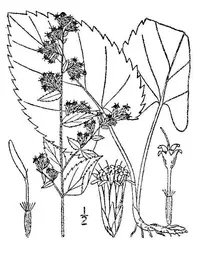
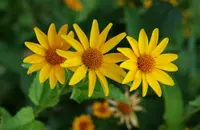
Autumn goldenrod (Solidago sphacelata) is a hardy, herbaceous perennial known for its arching stems topped with bright golden-yellow flower clusters in late summer and fall. It forms low, spreading clumps that create a soft, informal look in borders or naturalized plantings.
This species is native to parts of eastern North America, where it grows in open woods, prairies, and sunny slopes. It is valued for its reliability, wildlife support, and strong resistance to many pests and diseases.
Most gardeners find it straightforward to care for autumn goldenrod, as it tolerates a range of soils and light conditions, preferring sun and moderately moist, well-drained ground.

Care Difficulty
Easy Care

Light Preference
Full Sun

Water Requirements
Moderate Water

Temperature Preference
Cold Hardy

Hardiness Zone
4–8

Soil Texture
Sandy, Loamy, Clay

Soil pH
Acidic (5.5–6.5), Slightly acidic (6.5–7.0)

Soil Drainage
Well-drained

Fertilization
Minimal (feed rarely)
Scan your plant to receive care tips personalized for your specific plant
Available on iOS and Android
This sun-loving perennial thrives in open, bright locations for strongest flowering.
This species prefers evenly moist but not saturated soil, especially during establishment.
This hardy perennial tolerates a wide range of outdoor temperatures once established.
This species handles a wide humidity range and rarely needs special humidity management outdoors.
This plant prefers moderately fertile, well-drained mineral soil and tolerates relatively poor conditions.
This species can be grown in containers if the pot is large, stable, and drains quickly.
Solidago sphacelata is a low-input perennial that benefits from light feeding in lean soils.
Pruning helps keep Solidago sphacelata compact, healthy, and floriferous.
This perennial is usually grown in the ground, so focus on dividing and transplanting clumps rather than repotting.
Solidago sphacelata is commonly propagated by division and also from seed.
This hardy perennial needs minimal winter care in most climates where autumn goldenrod is grown.

Plant Health Check
Not sure what's wrong with your plant? Check your plant's health inside the app.
This species forms compact, slowly spreading clumps usually under 60 cm tall, unlike many taller North American goldenrods, which makes it naturally suited to the front of borders and rock gardens.
It is native mainly to the Ozark region of the central United States, especially in Missouri and Arkansas, where it grows on open, rocky slopes and glades with relatively dry, well-drained soils.
The plant flowers from late summer into fall and provides a concentrated nectar and pollen source for native bees, butterflies, and other insects at a time when many earlier wildflowers have already finished blooming.
This species is highly attractive to native bees, honeybees, hoverflies, and many butterfly species in late summer and fall. Dense flower clusters provide abundant nectar and pollen when many other garden plants have finished blooming.
Keep your plants happy and healthy with plant identification, disease detection, and easy care guidance.