Allium ericetorum Care (Allium suaveolens)

Allium ericetorum

About Allium ericetorum

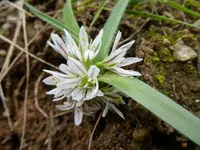
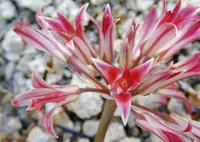
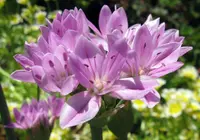
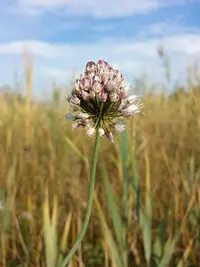
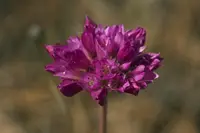
Allium ericetorum, also known as Allium suaveolens, is a small bulb-forming perennial in the onion genus. It forms neat clumps of narrow, grass-like leaves and slender stems topped with soft pink to lilac flower heads.

This species occurs naturally in dry, often rocky or sandy habitats in parts of Europe, especially in heathland and open slopes. Its compact size and tidy growth habit make it suitable for rock gardens, sunny borders, and informal naturalistic plantings.

It prefers full sun, relatively dry conditions, and well-drained, low to moderately fertile soil. Once established, it is generally resilient, which makes it straightforward to care for Allium ericetorum if the soil does not stay wet for long periods.

Main Plant Requirements

Care Difficulty

Easy Care

Light Preference

Full Sun

Water Requirements

Low Water

Temperature Preference

Cold Hardy

Hardiness Zone

4–8

Soil Texture

Sandy, Loamy, Rocky

Soil pH

Slightly acidic (6.5–7.0), Neutral (7.0)

Soil Drainage

Well-drained

Fertilization

Minimal (feed rarely)

Get Personalized Care Plan

Scan your plant to receive care tips personalized for your specific plant

Available on iOS and Android

How to Care for the Allium ericetorum

Allium suaveolens performs best in bright, open conditions that mimic sunny meadows.

  • Provide 6–8 hours of direct sun daily; morning sun with light afternoon shade reduces leaf scorch in hotter regions.
  • Tolerates light partial shade (3–4 hours sun), but flowering and compact growth decline if shaded for longer periods.
  • In contrast to some higher-elevation species such as Allium ericetorum, protect plants from reflected heat and intense midsummer afternoon sun in very hot, dry climates.

Allium suaveolens prefers evenly moist but fast-draining soil, especially during active growth.

  • Water only when the top 3–5 cm of soil are dry, then soak thoroughly so water drains freely from the root zone.
  • Reduce watering sharply after flowering and as foliage yellows; relatively dry soil over dormancy helps prevent bulb rot.
  • Watch for signs: soft bulbs, yellowing leaves, or a sour smell suggest overwatering, while limp, thin leaves and stalled growth indicate underwatering.

This species is quite cold tolerant but grows best with moderate seasonal temperatures.

  • Optimal growth occurs at 60–75°F (16–24°C) during the growing season, with cool nights promoting sturdy, compact foliage.
  • Dormant bulbs tolerate winter lows near 0°F (−18°C) if soil drains well and crowns are not in standing water or ice.
  • Heat up to 85–90°F (29–32°C) is tolerated if soil is not soggy; prolonged hotter periods may shorten flowering and stress foliage.

This species prefers dry, airy conditions with low to moderate humidity and rarely needs special humidity management.

This bulb prefers lean, well-aerated soil that drains very quickly.

  • Use a sandy or gritty loam with low to moderate organic matter so water passes through within minutes after watering.
  • Aim for slightly acidic to neutral pH around 6.0–7.0, similar to conditions suitable for Allium ericetorum in rocky habitats.
  • Blend roughly 50% coarse sand or fine grit with 30% loamy garden soil and 20% compost for structure and nutrients.
  • Avoid heavy clay, compacted beds, or mixes with high peat content that stay wet and exclude air around the bulbs.

This species is suitable for container growing when drainage and bulb protection are carefully managed.

  • Choose a pot at least 20–25 cm deep so bulbs sit well above the base while roots can extend downward without crowding.
  • Select a gritty mix that drops water to the saucer within a few seconds to prevent stagnant moisture around the bulbs.
  • Use a heavier clay or ceramic pot outdoors so the slender flowering stems stay stable in wind and do not tip the container.

Allium suaveolens is a modest feeder but benefits from light, targeted nutrition in active growth, similar to caring for Allium ericetorum.

  • Apply a balanced liquid fertilizer (e.g., 10-10-10) at 1/2 strength every 4–6 weeks during spring–mid summer while foliage is green.
  • Use a slow-release granular fertilizer or a thin layer of compost around clumps, keeping material off the bulbs and stems.
  • Avoid feeding in late summer–winter when plants are dormant to prevent weak, frost-sensitive growth.
  • Water after feeding to distribute nutrients evenly and reduce the risk of root burn.

Allium suaveolens benefits from light, seasonal pruning to maintain tidy foliage and encourage flowering.

  • In late summer or early fall, remove faded flower stalks at the base with clean, sharp scissors or hand pruners.
  • Cut back yellowing or damaged leaves at soil level to reduce disease risk and keep clumps compact.
  • Thin out any crowded, weak stems to improve air flow and light penetration within the clump.
  • Leave healthy green foliage intact until it naturally withers, allowing bulbs to store energy for the next season.

Transplanting Allium suaveolens is usually more relevant than repotting, as this species is commonly grown in beds, rock gardens, or borders.

  • Plan division or transplanting in late summer–fall, after foliage dies back but before the soil becomes cold and waterlogged.
  • Move clumps only every 3–4 years or when flowering declines, growth slows, or bulbs become crowded and congested.
  • Lift bulbs gently with a fork, keeping roots and basal plate intact, then replant at the same depth in well-drained soil.
  • Water lightly after transplanting and maintain moderate moisture until new roots establish, avoiding waterlogged conditions that stress bulbs.

Allium suaveolens is commonly propagated by bulb division, with seed used mainly for larger-scale or breeding purposes.

  • Divide established clumps in late summer–early fall once foliage has yellowed and bulbs are dormant.
  • Lift the clump, separate firm, healthy bulbs by hand, and replant immediately at their previous depth and spacing.
  • For seed propagation, sow fresh seed in trays outdoors in fall, allowing natural cold stratification over winter.
  • Maintain free-draining, gritty substrate and even moisture, and expect seedling flowering after 2–3 years under good conditions.

Allium suaveolens is generally cold hardy in temperate climates and needs minimal winter care in the ground.

  • In regions with wet winters, ensure sharp drainage to prevent bulbs rotting in saturated soil.
  • Apply a light mulch layer (2–3 cm) of gravel or coarse compost after the ground cools, keeping mulch off the crowns.
  • For container-grown plants in zones colder than their rating, move pots to a sheltered, unheated spot to avoid repeated freeze–thaw cycles.

Care Tips

Rotate clumps

Mark the sun-facing side of each clump before lifting and replanting so you can rotate positions annually, which keeps flowering more even and prevents one side from becoming sparse over time.

Timed deadheading

Remove spent flower heads as soon as petals fade but before seeds harden, which redirects energy back into the bulb and encourages stronger flowering the following year.

Ventilated mulch use

Apply a very thin, gritty mulch layer (such as 3–5 mm of coarse sand or fine gravel) around but not over the necks of the bulbs to suppress weeds while keeping the crown dry and well aerated.

Regular clump division

Lift and divide congested clumps every 3–4 years in late summer, replanting only the firm, mid-sized bulbs to maintain good flowering density and reduce disease buildup in the soil.

Targeted pest inspection

Inspect foliage and bulb necks every few weeks in spring for allium leaf miner or onion fly damage and remove any suspect plants promptly to limit spread, a useful habit when growing Allium ericetorum or related species in mixed plantings.

Common Pests and Diseases

Allium leaf miner

This pest is a small fly whose larvae tunnel inside leaves and flower stalks, causing twisting, blistering, and collapse of the affected parts.

Solution

Remove and destroy infested leaves and flower stems as soon as damage is seen, then use fine insect mesh over plants during the main flight periods in spring and fall to prevent egg laying; in areas with a known history, avoid growing Allium suaveolens in the same spot for several years and dispose of plant debris rather than composting it.

Onion thrips

These insects are tiny, slender pests that rasp leaf surfaces, leading to silvery streaks, speckling, and gradual leaf yellowing or scorching, especially in dry, warm weather.

Solution

Rinse foliage with a firm spray of water, then use blue or yellow sticky traps to monitor populations; in persistent cases, apply insecticidal soap or a neem-based product to leaf undersides and repeat at 5–7 day intervals, and reduce plant stress by maintaining even soil moisture and good spacing.

Allium rust

This disease is a fungal infection that produces yellow to orange pustules on leaves, which later darken and cause premature leaf dieback, reducing bulb strength and flowering.

Solution

Remove and discard affected leaves promptly, improve air circulation by avoiding crowding, and water at soil level rather than overhead; in sites with recurring issues, practice 3–4 year rotation away from other Allium species and consider using a labeled sulfur or copper fungicide as a preventive spray during cool, moist periods.

Downy mildew

This disease causes pale, yellowish patches on leaves that develop into gray or purplish fuzzy growth, leading to soft, distorted foliage and reduced vigor in cool, damp conditions.

Solution

Increase sun exposure and airflow, avoid evening overhead watering, and remove infected foliage as soon as symptoms appear; where downy mildew has been a problem, space plants more widely, water early in the day, and use a suitable copper-based fungicide preventively during prolonged wet weather.

Interesting Facts

Autumn-flowering onion

This species typically blooms in late summer to autumn, unlike many ornamental onions that flower in spring, providing late-season nectar for pollinators when other floral resources are declining.

Scented yet subtle

Despite its name meaning sweet-smelling, its fragrance is relatively delicate compared with stronger-scented Allium species and is usually noticeable only at close range in warm, still weather.

Rocky habitat specialist

In the wild it is native to rocky, often calcareous slopes and open, sunny sites in parts of central and southern Europe, where its small bulbs tuck into crevices with sharp drainage and low competition from taller plants.

Botan icon

Did you know?

Allium suaveolens is closely allied to several other small rock-garden onions and has been used by plant taxonomists as a reference species when comparing floral traits, such as tepal shape and nectary position, that help separate similar-looking European Allium species.

FAQs about Allium ericetorum

This ornamental onion produces nectar-rich flowers that attract bees, hoverflies, and small butterflies. Clumping several bulbs together increases visibility and nectar availability, making it useful in pollinator-friendly borders and rock gardens.

Grow Healthy Plants with Botan Care

Keep your plants happy and healthy with plant identification, disease detection, and easy care guidance.

Botan plant care app — identify plants on mobile

Explore More Plants