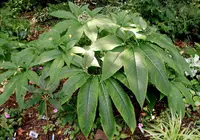
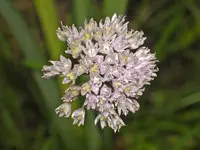
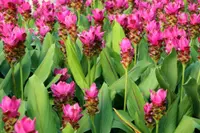
fringed onion Care (Allium fimbriatum)

fringed onion

About fringed onion

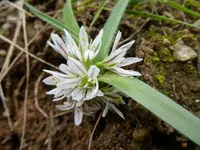
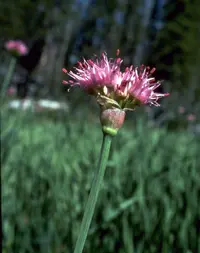
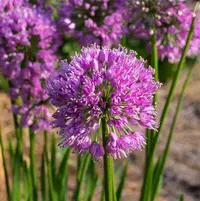
Fringed onion, Allium fimbriatum, is a small bulb-forming perennial from the onion genus, native to dry, rocky slopes in California and parts of the western United States. It typically grows in clumps, with slender grass-like leaves and delicate flower heads made of pale pink to rose-purple florets edged with fine fringes.

This species stays quite compact and has a seasonal growth cycle, usually resting in the hottest or coldest months, which can make it seem to disappear between flushes of growth. Gardeners who learn how to care for fringed onion find it relatively undemanding, as long as it receives good light, sharply drained soil, and only moderate moisture.

Main Plant Requirements

Care Difficulty

Moderate Care

Light Preference

Full Sun

Water Requirements

Low Water

Temperature Preference

Cold Hardy

Hardiness Zone

7–10

Soil Texture

Sandy, Loamy, Rocky

Soil pH

Slightly acidic (6.5–7.0), Neutral (7.0)

Soil Drainage

Well-drained

Fertilization

Minimal (feed rarely)

Get Personalized Care Plan

Scan your plant to receive care tips personalized for your specific plant

Available on iOS and Android

How to Care for the fringed onion

This small bulb prefers bright, open sites with plenty of sun for compact growth.

  • Provide 6–8 hours of direct sun daily; morning sun with light afternoon shade suits fringed onion in hotter regions.
  • In very hot, dry climates, offer protection from intense sun from 1–4 p.m. to reduce leaf scorch and premature dormancy.
  • In spring, ensure it is not shaded by taller plants; bulbs in too much shade produce fewer flowers and may become weak.

This species prefers dry to moderately dry conditions and is sensitive to excess moisture.

  • Allow the top 5–8 cm of soil to dry completely before watering, then soak the root zone once and let it drain fully.
  • During active growth in spring, monitor leaves; slight loss of turgor and dull, curling tips indicate it is time to water Allium fimbriatum.
  • Reduce or stop watering after foliage yellows and dies back; persistent wet soil, soft bulbs, or a sour smell signal overwatering and rot risk.

This bulb is adapted to climates with cool, moist winters and warm, dry summers.

  • Optimal growth occurs around 55–75°F (13–24°C) during the active spring season, with drier air and soil in the warmer part of the range.
  • Dormant bulbs tolerate down to about 15–20°F (-9–-6°C) in well-drained soil; prolonged freeze in soggy ground increases rot risk.
  • Plants handle dry heat up to 90–95°F (32–35°C) when dormant; in unusually hot springs, extra mulch helps buffer sudden temperature swings.

Humidity is rarely critical for fringed onion, which prefers dry to moderately dry air.

Allium fimbriatum needs lean, very free-draining soil to prevent bulb rot.

  • Use sandy or gritty loam with low to moderate organic matter, mimicking dry, rocky slopes.
  • Ensure very sharp drainage; mix in coarse sand, fine gravel, or perlite at 30–50% of the volume.
  • Aim for slightly acidic to neutral pH around 6.0–7.0, avoiding strongly acidic or alkaline extremes.
  • Avoid heavy clay, soggy sites, or dense peat mixes that stay wet around the bulbs.

This species can be grown in containers if the pot is set up to mimic dry, rocky conditions.

  • Choose a deeper pot than the bulb height suggests to allow a thick layer of coarse drainage material at the base.
  • Use a heavy, stable container if exposed to wind so the narrow foliage and flower stalks are not toppled.
  • Select unglazed terracotta rather than plastic in wet climates to help excess moisture evaporate from the root zone.

Allium fimbriatum is a low-nutrient native bulb that benefits from only light, targeted feeding in poor soils.

  • Use a balanced, low-dose granular or slow-release fertilizer (around 5-5-5 or similar) in early spring as shoots emerge.
  • Apply a thin layer of compost around clumps in lean, sandy soils instead of heavy chemical feeding.
  • Feed once per growing season; skip additional applications to avoid lush, weak growth and reduced flowering.
  • Stop fertilizing once foliage begins to yellow and die back, as the bulbs enter dormancy and nutrient demand drops.

Allium fimbriatum needs minimal pruning, mainly to keep clumps tidy and disease free.

  • In late spring or early summer, remove spent flower stalks at the base to keep energy focused on the bulbs.
  • Trim only brown or damaged leaves; leave green foliage until it naturally yellows to allow full nutrient return to the bulb.
  • Use clean, sharp scissors or hand pruners to avoid tearing tissue and to reduce disease entry points.
  • Avoid cutting healthy foliage hard, as this can weaken bulbs and reduce flowering in the following season.

This fringed onion is usually grown in the ground, with transplanting done infrequently and only when necessary.

  • Plan to divide and transplant clumps every 3–5 years if flowering declines or bulbs become crowded.
  • Move bulbs in late summer to early fall after foliage has fully died back and the bulbs are dormant.
  • Lift clumps carefully with a trowel or fork, keeping roots and bulbs intact to limit stress and desiccation.
  • Replant bulbs at similar depth in well-drained soil, water lightly once, then allow the area to dry between natural rains.

Allium fimbriatum is most often propagated by bulb division, with seed used mainly for restoration or breeding work.

  • Divide mature clumps in late summer to early fall when bulbs are dormant and foliage is absent.
  • Gently separate offsets from parent bulbs, discarding any soft, diseased, or damaged material.
  • Replant divisions at their original depth in gritty, well-drained soil, spacing bulbs so they are not touching.
  • For seeds, sow in pots outdoors in fall, allowing natural winter cold to break dormancy and promote spring germination.

Allium fimbriatum is cold hardy in its native range and usually needs little specific winter care in the ground.

  • In climates with wet winters, ensure soil drains well to prevent bulb rot in saturated conditions.
  • Apply a very light gravel mulch in fall if soil tends to crust, keeping the bulb necks just covered.
  • Container-grown bulbs in colder zones can be moved to a sheltered, unheated garage to avoid repeated freeze–thaw cycles.

Care Tips

Bulb clump management

Lift and divide crowded bulb clumps every 3–4 years in late summer dormancy, replanting only the firm, healthy bulbs to maintain strong flowering and reduce competition for nutrients.

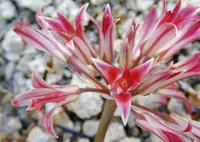
Rocky site placement

Plant bulbs into shallow pockets of gritty soil among rocks or gravel where water drains quickly, which helps mimic their natural habitat and greatly lowers the risk of bulb rot.

Seed saving strategy

Allow some flower heads to dry fully on the plant, then collect and store the small black seeds in a paper envelope in a cool, dry place for future sowings and to maintain local-adapted lines.

Targeted slug control

Use low-profile slug and snail traps or iron phosphate pellets around young shoots during wet periods, as early protection prevents grazing damage that can weaken or disfigure the small plants.

Labeling and mapping

Mark bulb locations with unobtrusive labels or a simple planting map during the growing season so you do not disturb dormant bulbs when cultivating or planting other species nearby while caring for fringed onion.

Common Pests and Diseases

Onion thrips

This pest feeds on leaves and flower stalks, causing silvery streaks, tiny black specks, and reduced vigor, especially in dry, warm conditions. Symptoms include distorted foliage and weakened flowering in clumps of bulbs.

Solution

Reduce nearby grassy weeds that host thrips, then spray plants thoroughly with a strong stream of water to knock insects off. If damage continues, apply a targeted insecticidal soap or neem oil in the evening, repeating every 5–7 days until new growth appears clean.

Narcissus bulb fly

This pest lays eggs at the base of allium foliage, and the larvae tunnel into bulbs, leading to yellowing foliage, stunted growth, and bulb collapse. Symptoms include soft, foul-smelling bulbs that fail to sprout the following season.

Solution

Inspect and discard any soft or hollow bulbs before planting or when lifting dormant clumps. In areas with a known history of bulb flies, dig and replant bulbs slightly deeper, cover newly planted areas with fine mesh until foliage is well up, and promptly remove and destroy any plants that collapse early.

Onion white rot

This disease is a soil-borne fungal problem that attacks the base of bulbs, causing yellowing leaves and plant collapse. Symptoms include white, fluffy fungal growth and small black sclerotia on the outside of affected bulbs.

Solution

Remove and destroy all infected plants and surrounding soil where possible, and do not replant Allium species in the same spot for many years, as the fungus is long-lived. Improve drainage, avoid overwatering, and keep the planting area free of plant debris that can harbor the pathogen.

Botrytis leaf blight

This disease favors cool, moist conditions and causes water-soaked spots on leaves that enlarge into tan lesions, often with a fuzzy gray mold in humid weather. Symptoms include premature leaf dieback and reduced flowering.

Solution

Space plants to improve airflow, water at soil level rather than overhead, and remove affected leaves as soon as they are noticed. In areas with frequent spring moisture, a preventative application of a labeled fungicide for ornamental alliums may be used at the first sign of spotting.

Allium leaf miner

This pest is a small fly whose larvae mine into leaves and sometimes bulbs, producing winding tunnels, puncture lines, and distorted foliage. Symptoms include yellowing, collapsed leaves and reduced bulb health in heavily infested patches.

Solution

Use fine insect netting over allium plantings during the known flight periods in your region and remove and destroy infested foliage after dieback. Rotate plantings to new areas, avoid leaving allium debris in the soil, and in high-pressure areas time planting so that young foliage is not present during peak egg-laying periods when growing fringed onion outdoors.

Interesting Facts

Fringed tepal edges

The flowers have distinctly fringed or lacerated tepal margins, which give each umbel a delicate, shredded look unique among many western North American onions.

Narrow California endemic

This species is native to California and occurs mainly in limited, scattered populations in specific habitats such as chaparral, woodland openings, and rocky slopes.

Bulb and coat morphology

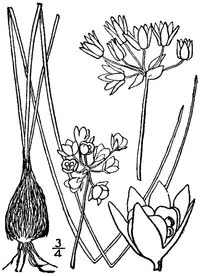
Its small bulbs form in clusters and often show a fibrous or netted outer coat, a trait used by botanists to distinguish it from closely related Allium species in the region.

FAQs about fringed onion

Lack of flowers usually comes from insufficient sun, overly rich or wet soil, or bulbs planted too deep. Allow foliage to die back naturally after flowering, and avoid heavy summer watering to support natural dormancy and future blooms.

Grow Healthy Plants with Botan Care

Keep your plants happy and healthy with plant identification, disease detection, and easy care guidance.

Botan plant care app — identify plants on mobile

Explore More Plants