Bulb lifting schedule
In heavy or poorly drained soils, lift and dry bulbs every 2–3 years in late summer, then replant them in refreshed, gritty soil in fall to prevent rot and maintain flowering vigor.

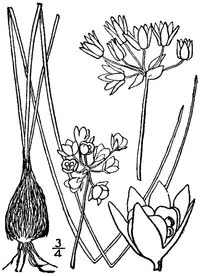
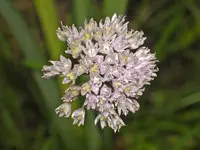
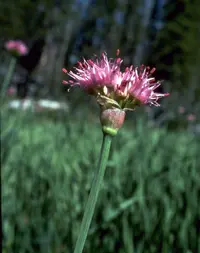
Drummond's onion, Allium drummondii, is a small, bulb-forming perennial native to the central and southern Great Plains of the United States. It grows in clumps of narrow, grass-like leaves topped in spring by clusters of starry white to pale pink flowers.
This species usually appears in prairies, open woodlands, and well-drained roadsides, where it tolerates sun, heat, and seasonal dryness. It is generally considered easy to grow in gardens that mimic these conditions, especially when given full sun and gritty, free-draining soil.
Gardeners who want to care for Drummond's onion should focus on avoiding waterlogged sites and heavy shade, as these conditions tend to reduce its vigor and flowering.

Care Difficulty
Easy Care

Light Preference
Full Sun

Water Requirements
Low Water

Temperature Preference
Cold Hardy

Hardiness Zone
4–8

Soil Texture
Sandy, Loamy, Rocky

Soil pH
Slightly acidic (6.5–7.0), Slightly alkaline (7.0–7.5)

Soil Drainage
Well-drained

Fertilization
Minimal (feed rarely)
Scan your plant to receive care tips personalized for your specific plant
Available on iOS and Android
This sun-loving prairie bulb needs strong light to flower and stay compact.
This drought-tolerant bulb prefers infrequent, deep watering and fast-draining soil.
This species is adapted to continental climates with cold winters and hot, dry summers.
Humidity is not a significant factor for Allium drummondii, which is adapted to dry prairie conditions.
Allium drummondii grows best in lean, fast-draining mineral soils that never stay wet for long.
This species can be grown in containers if the pot mimics its naturally dry, fast-draining habitat.
This North American native bulb usually grows well in lean soils and needs only light feeding in cultivation.
Pruning needs for Allium drummondii are minimal and focus on cleanliness rather than shaping.
This small prairie onion is best treated as a hardy garden bulb and is seldom kept as a long-term container plant.
Allium drummondii is most often propagated by division of bulbs, with seed used for larger restoration or naturalistic plantings.
This species is quite cold hardy in much of its native and cultivated range and usually needs little specific winter care in the ground.

Plant Health Check
Not sure what's wrong with your plant? Check your plant's health inside the app.
This species emerges and flowers in early spring, then its foliage dies back and the bulb goes dormant before summer drought and heat fully set in across the Great Plains.
The bulbs and leaves contain sulfur-rich compounds that are toxic to livestock, yet native rodent species such as pocket gophers commonly eat the bulbs with no apparent ill effects.
Its narrow, grasslike leaves and clumping habit help it blend almost seamlessly into prairies and open rangelands, so it is often overlooked until the white to pale pink star-shaped flowers appear.

This wild onion has expanded eastward and northward beyond much of its historical Great Plains range, becoming a persistent pasture weed in some regions due to its tolerance of grazing, drought, and soil disturbance.
Lack of flowers usually comes from insufficient sun, overcrowded bulbs, or depleted nutrients. Ensure a sunny position, avoid deep planting, and divide congested clumps every few years so energy is not diverted only to foliage.
Keep your plants happy and healthy with plant identification, disease detection, and easy care guidance.