Mexican organ pipe Care (Stenocereus griseus)

Mexican organ pipe

About Mexican organ pipe

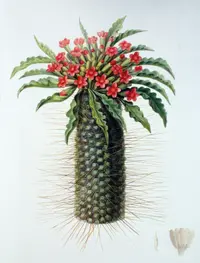
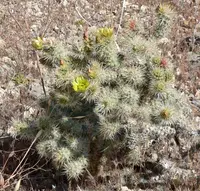
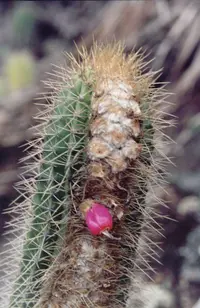
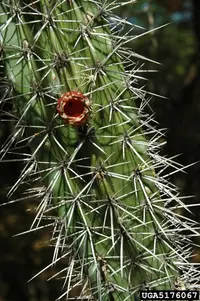
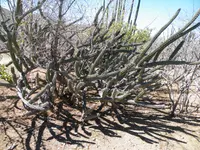
Mexican organ pipe (Stenocereus griseus) is a columnar cactus known for its tall, upright stems that form dense, organ pipe-like clumps over time. In nature it can develop into a large, many-stemmed shrub or small tree. It is native to arid and semi-arid regions of northern South America and the Caribbean, where it thrives in rocky, well-drained soils and intense sun. Thick, water-storing stems and slow growth make it a relatively low-maintenance plant once established. For those learning how to care for Mexican organ pipe, its main needs are strong light, sparing watering, and a very free-draining mineral-rich soil mix.

Main Plant Requirements

Care Difficulty

Easy Care

Light Preference

Full Sun

Water Requirements

Low Water

Temperature Preference

Warm Climate

Hardiness Zone

9–11

Soil Texture

Sandy, Loamy, Rocky

Soil pH

Slightly acidic (6.5–7.0), Neutral (7.0)

Soil Drainage

Well-drained

Fertilization

Minimal (feed rarely)

Get Personalized Care Plan

Scan your plant to receive care tips personalized for your specific plant

Available on iOS and Android

How to Care for the Mexican organ pipe

Stenocereus griseus thrives in strong, sustained sun similar to its native desert habitat.

  • Provide 6–8 hours of direct sun daily; full sun suits mature plants, while young plants benefit from light afternoon shade.
  • Introduce a new or recently moved Mexican organ pipe to full sun gradually over 1–2 weeks to reduce sunburn risk and bleaching.
  • Outdoors, prioritize morning sun with some protection from intense late-afternoon summer sun; in low-light seasons, move plants to the brightest, unobstructed location.

This cactus is highly drought tolerant and must dry well between waterings to prevent root damage.

  • Allow the top 3–5 cm of soil to dry completely before watering; in hot, dry weather this may mean deep watering every 2–4 weeks in the ground.
  • Ensure fast-draining, gritty soil so water runs through quickly, leaving no standing water around roots after 10–15 minutes.
  • Reduce watering sharply in cool seasons; shriveling ribs suggest mild underwatering, while yellowing, soft spots, or a sour smell indicate overwatering.

This species prefers warm, arid conditions and is sensitive to prolonged cold and frost.

  • Aim for 70–90°F (21–32°C) during active growth; it tolerates brief spikes to 100°F (38°C) if soil is dry and airflow is good.
  • Protect from frost; avoid letting temperatures drop below 40°F (4°C), with serious damage likely near or below 32°F (0°C).
  • In cooler months, keep it cool-dry around 50–65°F (10–18°C), combining reduced watering with cold protection, such as a cover during unexpected cold snaps.

Humidity is rarely a concern for Stenocereus griseus in typical indoor or outdoor conditions.

This cactus needs a very fast-draining, mineral-based substrate to prevent root rot.

  • Use a sandy, gritty mix such as 50–70% inorganic material (pumice, coarse perlite, crushed granite) with the remainder as a lean cactus potting mix.
  • Aim for slightly acidic to neutral pH, around 6.0–7.0, which supports nutrient uptake without encouraging rot organisms.
  • Ensure the mix feels loose and open, not compacting when squeezed; add more pumice or coarse sand if water lingers on the surface.
  • Avoid peat-heavy, clayey, or moisture-retentive soils, which hold water around the roots and quickly damage Stenocereus griseus.

This species is suitable for container growing when planted in a stable, heavy pot.

  • Choose a tall, deep container so the long taproot can extend downward without curling tightly at the base.
  • Use a heavy terracotta or ceramic pot to counterbalance the tall, columnar stems and reduce tipping in windy spots.
  • Raise the pot slightly on feet or spacers so drainage holes stay clear and runoff does not pool under the container.

Stenocereus griseus needs only light feeding to support steady growth in containers or poor soils.

  • Use a diluted balanced liquid fertilizer (around 10-10-10) at 1/4 strength during active growth in spring–summer.
  • Apply every 4–6 weeks for potted plants; in-ground Mexican organ pipe often needs no extra feeding in reasonable soil.
  • Avoid organic composts that stay wet; choose cactus-formulated or mineral-based products instead.
  • Stop feeding in fall–winter to allow full dormancy and reduce risk of soft, frost-sensitive growth.

Pruning Stenocereus griseus is minimal and mainly for safety, health, and space management.

  • Carry out any larger cuts in late spring or early summer, when the plant is actively growing.
  • Remove only dead, diseased, storm-damaged, or rubbing stems; leave healthy, well-spaced columns intact.
  • Use clean, sharp loppers or a pruning saw and wear thick gloves and eye protection to handle the spines safely.
  • Limit shaping cuts, as heavy removal can unbalance tall plants and increase risk of sunburn or breakage.

Container-grown plants and young transplants of this cactus need infrequent but careful moves to larger spaces.

  • Repot or transplant every 3–5 years, or when roots circle the pot, drain poorly, or growth slows noticeably.
  • Choose late spring–early summer, using a deep container or well-drained, sandy, cactus-style soil in the ground.
  • Water lightly a few days before moving, then slide the root ball out gently, disturbing roots as little as possible.
  • After transplanting, keep soil slightly dry for 7–10 days, then resume modest watering once new growth appears.

This cactus is commonly propagated from stem cuttings or seeds under warm, dry conditions.

  • Take healthy stem cuttings in late spring–summer, then air-dry until a firm callus forms over the cut surface.
  • Set callused pieces upright in gritty, barely moist cactus mix, keeping warmth (70–85°F) and bright, indirect light.
  • Allow the mix to dry almost completely between light waterings to prevent rot while roots develop.
  • Sow seeds on the surface of sterile, sandy medium, keep slightly moist and warm, and expect slow early growth.

This species prefers warm, arid conditions and needs clear winter protection in regions with frost or prolonged cold.

  • Avoid exposure below about 28–30°F; extended freezing can scar or kill stems.
  • In-ground plants benefit from a very well-drained site and a light gravel mulch to keep the root zone drier.
  • Move container specimens indoors or into a bright, unheated but frost-free space before hard frost is forecast.
  • Water very sparingly in winter, just enough to prevent severe shriveling, to reduce rot risk in cool conditions.

Care Tips

Use mineral mulch

Top-dress the soil surface with a 1–2 in layer of coarse gravel or pumice to keep the stem base dry, discourage fungus gnats, and mimic the plant’s natural rocky habitat.

Gradual sun hardening

When moving a plant from indoors or shade to stronger light, increase exposure by 30–60 minutes of direct sun every few days to prevent corky sunburn on the ribs.

Stabilize tall stems

As columns lengthen, use discreet bamboo stakes or a rigid ring support anchored in the pot to keep trunks upright and prevent root disturbance from tipping.

Winter rest management

In cool seasons, maintain the plant in a bright, dry position and reduce handling, repotting, and fertilizing so it can complete a natural rest phase that improves flowering potential.

Inspect areoles closely

During routine checks, look carefully into the areoles (the fuzzy or spiny pads) with a small flashlight to detect early mealybug or scale infestations and spot-treat with cotton swabs dipped in alcohol, which is especially useful when caring for Mexican organ pipe in collections.

Common Pests and Diseases

Cochineal scale

This pest forms white, cottony clusters along ribs and areoles, often leaving red staining when crushed. Symptoms include slow growth, yellowing tissue, and sticky residue on the stems.

Solution

Physically remove colonies with a strong stream of water or by wiping with cotton swabs dipped in 70% isopropyl alcohol, then repeat weekly until no new insects appear. Improve sun exposure and airflow, isolate the plant from others, and use a targeted insecticidal soap or horticultural oil labeled for cacti if the infestation is extensive.

Cactus mealybugs

These insects hide in rib crevices and at the stem base, producing white fluff and honeydew that can encourage sooty mold. Symptoms include weakened, shriveling segments and poor new growth despite normal watering.

Solution

Inspect all crevices and roots, then remove visible insects with alcohol-dipped cotton swabs and trim heavily infested roots if present. Repot into fresh, dry cactus mix, keep the plant in bright, dry conditions, and apply a systemic insecticide or repeated insecticidal soap treatments according to label directions for ongoing control.

Cactus longhorn beetle

This pest chews notches or scars into the stems and its larvae tunnel inside, causing localized collapse and pale, sunken areas. Symptoms include weakened segments that may bend or break and visible oval exit holes in older damage.

Solution

Handpick and destroy adult beetles when seen, and cut out and discard any hollow, infested stem sections, cutting back to firm, healthy tissue. Keep plants in well-lit, open, low-humidity conditions, avoid overfertilizing soft new growth, and use physical barriers or trunk wraps in outdoor plantings to reduce new attacks when growing Mexican organ pipe in beetle-prone areas.

Bacterial soft rot

This disease causes wet, foul-smelling, translucent patches that quickly turn into mushy, collapsing areas on the stem. Symptoms include a sour odor, oozing tissue, and rapid spread in warm, humid conditions.

Solution

Immediately cut away all affected tissue with a sterile knife, extending well into firm, healthy tissue, then allow the wound to dry and callus in a warm, airy place. Reduce humidity, avoid water on the stems, disinfect tools and pots, and only resume light watering once the cut surfaces are fully dry and corked over.

Fungal stem spotting

This disease produces small brown or gray spots that can coalesce into rough, corky patches on sun-exposed ribs, often after minor mechanical injury or prolonged dampness. Symptoms include superficial scarring and occasional shallow lesions that may slowly enlarge but rarely girdle the stem quickly.

Solution

Remove or carefully cut out soft, active lesions while leaving old, dry scars in place, then keep the plant in a sunnier, better-ventilated position so the skin dries quickly after watering. Avoid overhead watering, space plants to improve airflow, and apply a sulfur-based or copper-based fungicide suitable for cacti if new spots continue to form.

Interesting Facts

Night-blooming columnar cactus

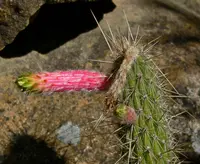
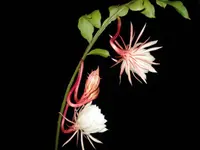
This species forms tall, many-ribbed columns that can reach several meters in its native range and produces white, funnel-shaped flowers that open at night and wither by the following morning.

Key bat-pollinated species

Its nocturnal flowers are adapted to pollination by nectar-feeding bats, which are attracted by the pale petals, strong scent, and abundant nectar, making the plant an important component of dry tropical and subtropical ecosystems.

Important dryland fruit source

In parts of northern South America and the Caribbean, its sweet, fleshy fruits are locally harvested as a seasonal food for people and provide a critical resource for birds and mammals during dry periods.

Botan icon

Did you know?

In arid coastal regions of northern South America, naturally occurring stands of this cactus can form dense, almost forest-like thickets that function as living windbreaks and soil stabilizers, helping to reduce coastal erosion and desertification.

FAQs about Mexican organ pipe

This species usually needs to reach several feet tall and be many years old before flowering. Lack of strong sun, cool night temperatures, or outdoor pollinators often delays blooms, even when general Stenocereus griseus care is correct.

Grow Healthy Plants with Botan Care

Keep your plants happy and healthy with plant identification, disease detection, and easy care guidance.

Botan plant care app — identify plants on mobile

Explore More Plants