Root zone warming
In cooler climates, place dark-colored stones or gravel around the base of the plant to absorb heat during the day and gently warm the root zone at night, which supports stronger growth in this warmth-loving cactus.

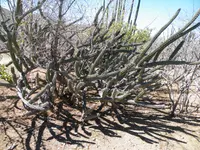
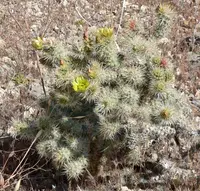
Galloping cactus (Stenocereus gummosus) is a columnar desert cactus known for its long, jointed stems that often lean or “gallop” along the ground. It typically has prominent ribs with short but sharp spines and can form sprawling clumps over time.
This species is native to arid coastal regions of northwestern Mexico, where it experiences intense sun, heat, and very limited rainfall. Those natural conditions make it drought-tolerant but sensitive to prolonged cold and excess moisture.
Because it prefers bright light, fast-draining soil, and infrequent watering, many growers find it moderate in difficulty. Understanding how to care for Galloping Cactus mainly involves preventing overwatering and providing enough light.

Care Difficulty
Moderate Care

Light Preference
Full Sun

Water Requirements
Low Water

Temperature Preference
Warm Climate

Hardiness Zone
9–11

Soil Texture
Sandy, Rocky, Loamy

Soil pH
Slightly acidic (6.5–7.0), Neutral (7.0)

Soil Drainage
Well-drained

Fertilization
Minimal (feed rarely)
Scan your plant to receive care tips personalized for your specific plant
Available on iOS and Android
This desert cactus thrives in strong light and needs consistent sun exposure to stay compact and healthy.
This species stores water in its stems and prefers infrequent, deep watering with fast drainage.
This cactus is adapted to warm, arid climates and handles heat better than cold.
This desert cactus handles very dry air and rarely needs humidity adjustment indoors.
This species needs a very fast-draining, mineral-heavy substrate to prevent root and stem rot.
This cactus is suitable for container growing, especially in cooler or wetter climates.
This desert cactus grows well in lean soil but accepts light feeding during active growth for container or intensively grown plants.
Stenocereus gummosus needs minimal pruning, mainly for safety and plant health rather than shaping.
Container-grown plants and young transplants of this cactus benefit from infrequent but careful moves to slightly larger, well-drained spaces.
This species is most often propagated by stem cuttings, though seed propagation is also possible for larger-scale growing.
This cactus prefers warm, dry winters and has limited frost tolerance, especially in containers.

Plant Health Check
Not sure what's wrong with your plant? Check your plant's health inside the app.
This coastal cactus naturally grows along the Pacific shores of Baja California and Sonora, where it tolerates salty sea spray and sandy, low-organic soils that would stress many other desert plants.
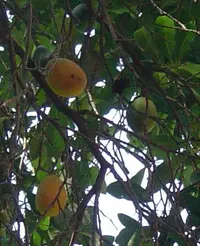
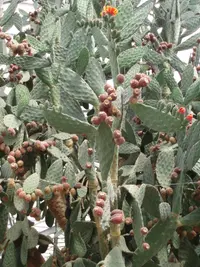
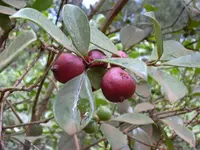
Its juicy red fruits are a key seasonal food source for desert birds, small mammals, and reptiles, which help disperse the seeds as they move through arid coastal habitats.
Indigenous communities of the Baja California peninsula have long eaten the sweet, fleshy fruits fresh or dried, and the species has been documented ethnobotanically as a traditional wild food resource.

This species often forms dense, multi-stemmed thickets that stabilize loose coastal dunes, helping to reduce wind erosion and create microhabitats where other, less stress-tolerant plants can establish.
This species performs best outdoors in warm, arid or coastal climates where it receives strong light, heat, and excellent drainage. Indoors it often grows slowly and becomes weak unless given very bright, dry, and spacious conditions.
Keep your plants happy and healthy with plant identification, disease detection, and easy care guidance.