Windfirm training
In the first 3–5 years, lightly stake the trunk on wind-exposed sites and gradually loosen ties each season so the young tree develops a sturdy, tapered trunk without rubbing damage.

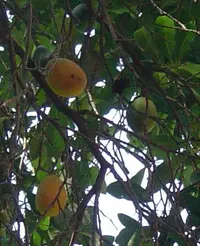
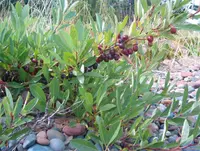
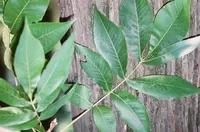
Moquilea tomentosa is a tropical evergreen tree native to coastal and lowland forests of Central and South America. It is grown mainly for its dense canopy and attractive foliage rather than for indoor use. The tree typically develops a rounded crown with thick, leathery leaves and small, clustered flowers that are followed by fleshy fruits. Its growth habit is relatively slow to moderate, and it prefers warm, frost-free climates. It generally favors full sun, well-drained soil, and consistent moisture, which influences how to care for Moquilea tomentosa in cultivation. In most home gardens it is suited to outdoor planting in suitable climates rather than container culture.

Care Difficulty
Moderate Care

Light Preference
Full Sun

Water Requirements
Moderate Water

Temperature Preference
Tropical / Frost Sensitive

Hardiness Zone
10–12

Soil Texture
Sandy, Loamy, Organic-rich

Soil pH
Acidic (5.5–6.5), Slightly acidic (6.5–7.0)

Soil Drainage
Well-drained

Fertilization
Minimal (feed rarely)
Scan your plant to receive care tips personalized for your specific plant
Available on iOS and Android
This sun-loving tropical tree needs strong light to flower and fruit well outdoors in warm climates.
This species prefers evenly moist, well-drained soil and reacts poorly to both drought and waterlogging.
This tropical tree grows best in consistently warm, frost-free conditions throughout the year.
This species prefers moderately humid air but usually adapts to typical household conditions.
Moquilea tomentosa grows best in deep, well-structured, fast-draining mineral soil.
This tree can be grown in large containers for some years, mainly in its juvenile stages.
This species grows in poor soils but benefits from light, targeted feeding in cultivation.
Pruning is mainly used to manage size and structure rather than to maintain health.
This tree is usually grown in the ground, so management focuses on transplanting young specimens correctly.
Propagation is usually done from seeds and requires patience and warm conditions.
This is a tropical to subtropical tree that needs protection in regions with frost or freezing winters.

Plant Health Check
Not sure what's wrong with your plant? Check your plant's health inside the app.
This species is strongly associated with Brazilian restinga vegetation, growing on nutrient-poor, sandy coastal soils where many other tree species cannot establish.
Its fleshy fruits are eaten by a wide range of birds and mammals in Atlantic Forest and restinga habitats, making the tree an important component of local seed-dispersal networks.
The tree shows notable tolerance to salt spray and strong coastal winds, traits that help it stabilize dunes and survive in exposed shoreline environments.

Genetic and morphological studies have shown that this species, long treated in the large genus Chrysobalanus, is distinct enough to be placed in the segregate genus Moquilea, reflecting a more accurate picture of its evolutionary relationships within the Chrysobalanaceae family.
Growth is moderately fast under warm, frost-free conditions. Young trees can add 30–60 cm per year, forming a small, noticeable canopy in 3–5 years when provided with consistent moisture, sun, and reasonably fertile soil.
Keep your plants happy and healthy with plant identification, disease detection, and easy care guidance.