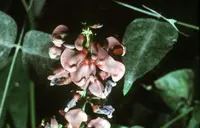
Wonder tree Care (Idesia polycarpa)

Wonder tree

About Wonder tree

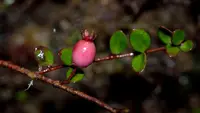
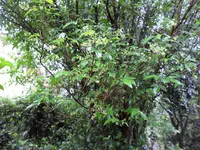
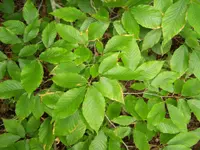
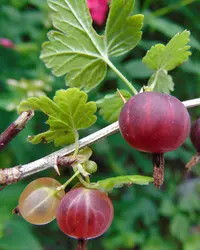
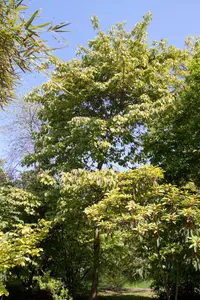
Wonder tree, Idesia polycarpa, is a deciduous ornamental tree valued for its broad heart-shaped leaves and hanging clusters of bright orange-red berries. It typically forms a rounded crown and develops smooth gray bark, giving it a clean, architectural look in the landscape.

This species is native to East Asia, including China, Korea, and Japan, where it grows in forest edges and mountain valleys. It is generally considered easy to grow in mild climates, provided it has enough space, reasonable moisture, and well-drained soil.

Gardeners who want to care for Wonder tree should note that it prefers full sun to light shade and performs best in sites protected from extreme drought or waterlogging.

Main Plant Requirements

Care Difficulty

Moderate Care

Light Preference

Full Sun

Water Requirements

Moderate Water

Temperature Preference

Cold Hardy

Hardiness Zone

5–7

Soil Texture

Loamy, Silty, Organic-rich

Soil pH

Acidic (5.5–6.5), Slightly acidic (6.5–7.0)

Soil Drainage

Moist but well-drained

Fertilization

Minimal (feed rarely)

Get Personalized Care Plan

Scan your plant to receive care tips personalized for your specific plant

Available on iOS and Android

How to Care for the Wonder tree

Idesia polycarpa grows best in sites with strong but not scorching light exposure.

  • Provide 6–8 hours of direct sun daily, ideally with morning sun and light afternoon shade in hotter regions.
  • Young Wonder tree specimens benefit from partial shade during their first 2–3 summers to prevent leaf scorch.
  • In dense shade the canopy thins and flowering drops; choose an open site and avoid placing it north of tall buildings or dense tree lines.

This species prefers steady soil moisture without prolonged saturation.

  • Allow the top 3–5 cm of soil to dry before deep watering, so moisture reaches the full root zone rather than just the surface.
  • In spring and summer, monitor rainfall; irrigate only when leaves begin to lose turgor or soil feels dry several cm down.
  • Signs of overwatering include yellowing leaves and soft new growth; improve drainage with coarse material and reduce frequency if water lingers longer than 24 hours.

This deciduous tree is cold hardy but grows fastest in moderate temperatures.

  • Optimal growth occurs around 65–80°F (18–27°C), with active shoot and leaf development in late spring and early summer.
  • Mature trees tolerate winter lows near 0°F (−18°C), but young plants benefit from mulch around the root zone in colder climates.
  • Heat above 90°F (32°C) can stress foliage; provide extra water during hot spells and avoid planting in heat-reflective spots near south-facing walls or pavement.

Humidity is not a major limiting factor for Idesia polycarpa, which adapts well to typical outdoor ranges in temperate climates.

Idesia polycarpa prefers deep, moist, well-drained soil with a loose, moderately fertile structure.

  • Use a loamy soil rich in organic matter, mixing native soil with compost to improve fertility and structure.
  • Ensure drainage is reliable by avoiding compacted clay and incorporating coarse sand or fine gravel where water tends to sit.
  • Aim for slightly acidic to neutral pH (6.0–7.5), avoiding strongly alkaline or saline conditions that restrict nutrient uptake.
  • Improve aeration by avoiding over-tilling and by regularly mulching the surface to support soil organisms and stable structure.

This species is only moderately suitable for container growing and is best kept in large, heavy, outdoor tubs when young.

  • Choose a broad, heavy container that resists tipping as the trunk and canopy gain height and catch wind.
  • Use a deep pot to accommodate the developing taproot and prevent circling roots that stress the tree in later years.
  • Select a thick-walled material such as wood or heavy ceramic to buffer root temperature swings and slow moisture loss.

Idesia polycarpa responds well to modest, balanced feeding but does not need heavy fertilization.

  • Use a balanced, slow-release tree fertilizer or well-rotted compost applied around the drip line in early spring.
  • Feed once in spring and, in poor soils, again in midsummer; avoid overfeeding established landscape trees.
  • Apply granular products to moist soil and water in thoroughly, keeping fertilizer away from the trunk flare.
  • Stop feeding in late summer so new growth hardens before winter, and do not fertilize dormant trees.

Idesia polycarpa benefits from light structural pruning to maintain a healthy, open canopy.

  • Carry out main pruning in late winter or very early spring before new growth begins.
  • Remove dead, diseased, crossing, or inward-growing branches to improve air flow and reduce disease risk.
  • Thin crowded interior shoots rather than shortening all tips, which preserves the tree’s natural form.
  • Use clean, sharp bypass pruners or loppers and make cuts just outside the branch collar without leaving stubs.

This species is usually grown in the ground, so focus on careful transplanting of young trees rather than frequent repotting.

  • Transplant in late fall or early spring when the tree is dormant to reduce transplant shock.
  • Move when roots start circling the container, growth slows, or the rootball dries out very quickly.
  • Plant at the same depth as in the pot, spreading any circling roots outward and backfilling with native soil.
  • Water deeply after planting, then keep soil evenly moist and mulch 5–8 cm thick to limit root stress.

Idesia polycarpa is most often propagated from seed, with cuttings used less commonly.

  • Collect ripe berries in late autumn, clean seeds, and sow after a cold stratification period of 2–3 months at 35–40°F.
  • Use a free-draining seed mix, keep it just moist, and provide bright, indirect light for germination.
  • Take semi-ripe cuttings in midsummer, use rooting hormone, and place in a warm, humid environment.
  • Maintain good air circulation and avoid waterlogging to prevent rot while roots or seedlings establish.

Mature Idesia polycarpa trees are generally cold hardy in suitable climates and need only minimal winter care.

  • In colder regions, apply a 5–8 cm mulch layer around the root zone, keeping it a few cm from the trunk.
  • Water well in late fall during dry spells so roots enter winter hydrated.
  • For container-grown trees, move pots to a sheltered, unheated space to avoid root freeze-thaw damage.

Care Tips

Encourage Strong Leader

In the first 3–5 years, select one straight central stem and remove or shorten competing upright shoots in late winter so the tree develops a single strong leader that resists wind damage later.

Plan For Root Spread

Site young trees at least 5–6 m away from buildings, drains, or paved areas, because the shallow, wide root system can lift weak paving and compete strongly with nearby plantings as it matures.

Manage Heavy Fruit Load

On female trees in good health, thin excessive fruit clusters in midsummer and be prepared to prune out heavily fruiting branches after harvest to reduce limb breakage and unwanted seedling spread.

Wind And Snow Protection

In exposed gardens, install a windbreak fence or plant on the leeward side of existing structures, and promptly shake off heavy wet snow from young, flexible branches to prevent splitting and bending.

Monitor For Suckers

Check the base and nearby soil twice a year and promptly cut away root suckers and unwanted seedlings at ground level, which keeps the canopy form intentional and simplifies caring for Wonder tree over time.

Common Pests and Diseases

Leaf spot

This disease causes irregular brown to purple lesions on leaves, sometimes with a yellow halo, and can lead to premature leaf drop in humid conditions.

Solution

Remove and dispose of heavily spotted leaves, clear fallen debris around the tree, and improve air circulation by light pruning of crowded interior branches; in wet climates, a copper- or chlorothalonil-based fungicide can be applied in early spring if leaf spot has been a recurring problem.

Powdery mildew

This disease appears as a white, powdery film on young leaves and shoots, which may curl, distort, or grow poorly in shaded or crowded conditions.

Solution

Prune to open the canopy for better light and airflow, avoid overhead watering, and treat early outbreaks with a sulfur or potassium bicarbonate fungicide labeled for ornamental trees if distortion is progressing.

Scale insects

These insects attach to twigs and branches as small, dome-shaped bumps, sucking sap and causing branch weakening, sticky honeydew, and sooty mold on nearby surfaces.

Solution

In winter or early spring, apply a horticultural oil spray to thoroughly coat branches and smother overwintering scale; for light infestations, scrub affected stems gently with a soft brush and soapy water before rinsing.

Aphids

These insects cluster on tender new growth and undersides of leaves, causing leaf curling, distortion, and sticky honeydew that can attract ants or lead to sooty mold.

Solution

Spray colonies off with a strong stream of water, repeat every few days during active outbreaks, and, if necessary, use insecticidal soap or a light horticultural oil on new shoots while protecting beneficial insects by treating only affected areas.

Interesting Facts

Dioecious fruiting habit

This species is dioecious, meaning male and female flowers grow on separate trees, so only female trees produce the showy dangling clusters of orange-red berries when a male tree is nearby for pollination.

Autumn fruit display

The fruits ripen in late autumn and persist into winter in large hanging panicles, providing visual interest after leaf fall and an extended food source for birds in its native East Asian range.

Strongly scented flowers

Its small yellowish-green flowers have a pronounced scent that is often described as pungent or somewhat unpleasant, which helps attract specific pollinating insects despite their inconspicuous appearance.

Botan icon

Did you know?

This tree has been trialed as a potential non-timber oil crop because its seeds contain an oil suitable for industrial uses, drawing interest from researchers studying alternative plant-based oil sources in East Asia.

FAQs about Wonder tree

Growth is moderately fast in suitable conditions. Young trees can add 30–60 cm of height per year, eventually reaching 8–12 m tall and 6–8 m wide, forming an open, spreading crown over time.

Grow Healthy Plants with Botan Care

Keep your plants happy and healthy with plant identification, disease detection, and easy care guidance.


Botan plant care app — identify plants on mobile

Explore More Plants