Wind-hardening young trees
Stake only the first 1–2 years and allow some trunk movement so the tree develops strong wood that resists breakage in storms.

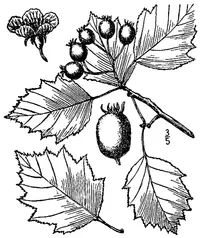
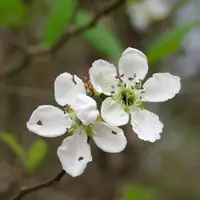
Bigfruit hawthorn, Crataegus macrosperma, is a small, hardy deciduous tree or large shrub known for its dense branching, white spring flowers, and clusters of red fruits. It often develops a broad, rounded crown with thorny branches that provide strong structure and wildlife shelter.
This species is native to eastern North America, where it grows in open woods, hedgerows, and field edges. It adapts to a range of soils, but performs best in well-drained, moderately fertile ground with full sun and average moisture.
Once established, it is relatively low-maintenance, though pruning thorns and managing suckers can require some effort. Understanding how to care for bigfruit hawthorn from the start helps it develop a healthy, attractive form over time.

Care Difficulty
Easy Care

Light Preference
Full Sun

Water Requirements
Moderate Water

Temperature Preference
Cold Hardy

Hardiness Zone
4–7

Soil Texture
Sandy, Loamy, Clay

Soil pH
Acidic (5.5–6.5), Slightly acidic (6.5–7.0)

Soil Drainage
Moist but well-drained

Fertilization
Minimal (feed rarely)
Scan your plant to receive care tips personalized for your specific plant
Available on iOS and Android
Crataegus macrosperma grows best in open, bright conditions that mimic full sun woodland edges.
Crataegus macrosperma prefers evenly moist but never waterlogged soil once established outdoors.
This hardy hawthorn tolerates a wide temperature range typical of temperate climates.
Humidity is rarely a concern for Crataegus macrosperma, which is adapted to outdoor conditions across a wide range.
Crataegus macrosperma grows best in moderately fertile, well-structured mineral soil with reliable drainage.
This species can be grown in large outdoor containers, but it is better suited to the ground long term.
This hardy native tree needs only light feeding on poor soils, so fertilization for bigfruit hawthorn is modest.
Thoughtful pruning keeps Crataegus macrosperma safe, shapely, and flowering well.
This hawthorn is usually grown in the ground, so focus on careful field transplanting rather than frequent repotting.
Reproduction of Crataegus macrosperma is possible from seed, but it is slow and technically demanding.
This species is cold hardy and usually needs minimal winter care once established in the landscape.

Plant Health Check
Not sure what's wrong with your plant? Check your plant's health inside the app.
This species is one of the earliest hawthorns to bloom in spring in much of eastern North America, with dense clusters of white flowers often appearing before many other woody plants have fully leafed out.
The common name bigfruit hawthorn refers to its relatively large pomes and especially to the comparatively big, hard seeds inside, which distinguish it from several closely related hawthorn species with smaller, thinner stones.
In the wild it commonly occurs on calcareous soils derived from limestone or dolomite in eastern North America, where it forms part of woodland edges, thickets, and old fields with high soil pH.

This species plays a notable ecological role as a winter food source for birds and small mammals, because its persistent fruits can remain on the branches well into the cold season when other fleshy fruits are scarce.
Lack of flowers usually comes from too much shade, heavy nitrogen fertilization, or pruning at the wrong time, which removes flower buds. Age also matters; young trees often need several years before regular blooming begins.
Keep your plants happy and healthy with plant identification, disease detection, and easy care guidance.