× Chitalpa Care (× Chitalpa tashkentensis)

× Chitalpa

About × Chitalpa

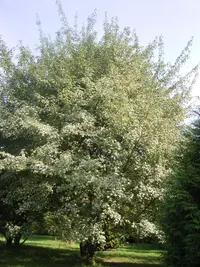
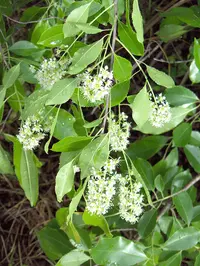
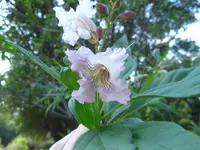
× Chitalpa, known botanically as × Chitalpa tashkentensis, is a deciduous ornamental tree bred from desert willow and catalpa. It forms a small to medium tree with an open crown and long, narrow leaves. In warm seasons it produces many trumpet-shaped flowers in loose clusters, usually in soft pink or white tones. The display is often prolonged, giving strong landscape value. This hybrid does not occur naturally in the wild; it was developed in Uzbekistan for urban and garden planting in dry climates. It is generally considered a moderate-care tree. Good performance depends on full sun, well-drained soil, and avoiding waterlogged conditions. Understanding how to care for × Chitalpa helps keep its canopy healthy and flowering well.

Main Plant Requirements

Care Difficulty

Easy Care

Light Preference

Full Sun

Water Requirements

Moderate Water

Temperature Preference

Cold Hardy

Hardiness Zone

6–9

Soil Texture

Sandy, Loamy, Clay

Soil pH

Slightly acidic (6.5–7.0), Slightly alkaline (7.0–7.5)

Soil Drainage

Well-drained

Fertilization

Minimal (feed rarely)

Get Personalized Care Plan

Scan your plant to receive care tips personalized for your specific plant

Available on iOS and Android

How to Care for the × Chitalpa

This sun-loving ornamental tree performs best with strong light and moderate heat.

  • Provide 6–8 hours of direct sun daily, with morning to early afternoon sun ideal and some light afternoon shade in very hot climates to limit leaf scorch.
  • Tolerates light or dappled shade for part of the day, but flowering on × Chitalpa drops noticeably if it receives less than about 4–5 hours of direct sun.
  • In cooler seasons, allow as much open sun as possible, while in summer monitor exposed sites with reflected heat from pavement or walls that may overheat foliage.

This hybrid tree prefers evenly moist but not saturated soil, especially while establishing.

  • Before watering, check that the top 5–8 cm of soil are dry; deep-soak the root zone, then allow the soil to drain fully to encourage deep roots.
  • During the first 2–3 growing seasons, water more often in hot, dry weather; once established, × Chitalpa tashkentensis usually needs irrigation only during extended droughts.
  • Watch for yellowing leaves and soft new growth as signs of overwatering, and for limp, curling, or browning leaf edges as indicators of underwatering or very dry soil.

This deciduous tree handles a wide range of outdoor temperatures when planted in suitable climates.

  • Best growth and flowering occur around 70–90°F (21–32°C), with warm, sunny summers helping to produce the heaviest bloom display.
  • Mature plants typically tolerate winter lows near 0°F (−18°C); brief dips slightly below this may be survived, but young trees are more cold-sensitive.
  • Tree tolerates dry heat up to about 100–105°F (38–41°C) if soil moisture is adequate, but prolonged heat plus drought can stress foliage and reduce flowering the following season.

This hybrid ornamental tree tolerates a wide humidity range and does not need special humidity management outdoors.

This species performs best in freely draining, moderately fertile ground that still retains some moisture.

  • Use a loamy or sandy-loam soil with moderate organic matter, such as garden soil amended with 20–30% compost.
  • Ensure rapid drainage; on heavy clay, improve structure by incorporating coarse sand or fine gravel into the top 30–40 cm.
  • Aim for slightly acidic to neutral pH, roughly 6.0–7.5, avoiding strongly alkaline or saline sites.
  • Avoid compacted, waterlogged, or poorly aerated soil, which encourages root rot and weak, chlorotic growth in × Chitalpa tashkentensis.

This tree can be grown in large containers for several years, mainly in patios or terraces rather than indoors.

  • Choose a deep, wide, heavy container to stabilize the top-heavy canopy against wind movement.
  • Select thick-walled clay or concrete pots if extra weight and slightly faster drying are needed in wet climates.
  • Fill the pot with a fast-draining tree shrub mix, then raise the container on feet to prevent drainage holes from clogging.

This hybrid flowering tree benefits from moderate, targeted feeding in nutrient-poor soils.

  • Use a balanced slow-release fertilizer (around 10-10-10) or a thin layer of compost in early spring as growth begins.
  • Feed × Chitalpa tashkentensis 1–2 times during the growing season in poor or sandy soils; skip feeding in rich ground.
  • Apply at half the label rate for trees, keeping granules off the trunk and watering in thoroughly after application.
  • Stop fertilizing in late summer so new growth hardens before winter, and avoid all feeding during winter dormancy.

Thoughtful pruning keeps the tree structurally sound and flowering well.

  • Carry out main pruning in late winter or very early spring before buds swell.
  • Remove dead, diseased, or storm-damaged wood first, then thin crossing or crowded interior branches.
  • Shorten or remove weak, badly placed shoots to maintain a strong framework and desired canopy shape.
  • Use clean, sharp bypass pruners or loppers, making cuts just outside the branch collar without leaving stubs.

This tree is usually grown in the ground, so transplanting young specimens correctly is more important than repotting.

  • Transplant container-grown plants in early spring or early fall, when temperatures are mild and soil is workable.
  • Look for circling roots, tight root balls, or stalled top growth as signs a nursery plant is ready for a larger planting space.
  • Gently tease apart circling roots before planting × Chitalpa tashkentensis, spreading them outward into a wide, loosened hole.
  • Water deeply after transplanting, then keep soil evenly moist for the first growing season to limit transplant shock.

Gardeners usually rely on nursery stock, but propagation is possible with some care and patience.

  • Take semi-ripe stem cuttings in mid to late summer, choosing non-flowering shoots about 10–15 cm long.
  • Remove lower leaves, dip the cut base in rooting hormone, and place in a free-draining mix kept at 70–75°F.
  • Provide bright, indirect light and high humidity until roots form, then gradually acclimate to lower humidity and stronger light.
  • Named cultivars should be propagated from cuttings rather than seed to maintain identical flower and growth characteristics.

This deciduous hybrid is moderately cold hardy and usually needs minimal winter care in mild to average climates.

  • In regions colder than its rated hardiness, add a 5–8 cm mulch layer over the root zone, keeping it off the trunk.
  • Avoid winter waterlogging by ensuring soil drains well; soggy, frozen soil increases root damage risk.
  • For young or container-grown plants, shelter from harsh wind and move containers into an unheated, frost-free garage or porch.

Care Tips

Wind‑firm training

In the first 2–3 years, lightly stake the young tree and remove lower competing shoots, then gradually reduce staking so the trunk flexes in wind and develops strong taper and anchorage.

Salt‑tolerant placement

If planting near roads or sidewalks that receive winter de‑icing salts, site the tree slightly upslope and create a shallow planting berm so runoff does not pool around the root zone, reducing salt stress and tip burn.

Canopy thinning passes

Every 2–3 years, make a single, careful structural pruning pass in late winter to remove crossing branches and dense interior twigs, which improves air flow and reduces risk of foliar diseases on this hybrid.

Root‑zone protection

Keep lawn grass and string‑trimmer activity away from the base by maintaining a 60–90 cm wide mulch ring, which protects the trunk from mechanical damage and roots from soil compaction.

Drought‑readiness check

Before a forecast heatwave, deeply soak the root zone and refresh the mulch layer to 5–8 cm so the soil holds more moisture, which is especially useful for growing × Chitalpa in hotter, drier regions.

Common Pests and Diseases

Powdery mildew

This disease causes a white, talcum-like coating on leaves, especially in warm, dry air with poor air circulation. Symptoms include distorted new growth and premature leaf drop in midsummer to fall.

Solution

Prune to open the canopy and improve airflow, and avoid overhead watering that keeps foliage damp in the evening. Remove heavily affected leaves and apply a sulfur or potassium bicarbonate fungicide labeled for ornamental trees at the first sign of powdery growth, repeating as directed during humid periods as part of × Chitalpa tashkentensis care.

Leaf spot

This disease produces brown, tan, or purple spots on leaves that may merge into larger dead patches, often starting in the lower canopy. Symptoms include thinning foliage and early leaf drop during wet or humid weather.

Solution

Rake and remove fallen leaves to reduce fungal spores, and avoid wetting the foliage when irrigating. If the problem recurs each year, use a copper-based or chlorothalonil fungicide labeled for ornamental trees in early spring and again during extended wet spells, following label directions carefully.

Verticillium wilt

This disease is caused by a soil-borne fungus that disrupts water flow in the plant, leading to wilting and dieback of branches, often on one side of the tree first. Symptoms include yellowing leaves, leaf scorch, and branch death despite adequate soil moisture.

Solution

Prune out and destroy affected branches, cutting back into healthy wood, and disinfect pruning tools between cuts with 10% bleach or 70% alcohol. Improve overall vigor with proper watering and mulching, avoid root injury, and do not replant susceptible species in the same spot if the tree declines severely.

Aphids

These insects feed on young shoots and leaf undersides, causing curling, distorted growth, and sticky honeydew that can lead to sooty mold on leaves and stems. This pest is most active during warm, mild weather in spring and early summer.

Solution

Spray infested shoots with a strong stream of water to dislodge aphids, repeating every few days as needed. For persistent infestations, use insecticidal soap or a light horticultural oil applied thoroughly to leaf undersides and young stems, taking care to treat in the early morning or late afternoon to avoid leaf burn.

Spider mites

These pests are tiny sap-feeding arachnids that cause fine stippling on leaves, bronzing, and eventual leaf drop, often during hot, dry weather. Symptoms include fine webbing between leaves and along stems when populations are high.

Solution

Increase humidity around the tree canopy where feasible and hose down foliage regularly to knock mites off and disrupt their webs. For heavier infestations, apply a horticultural oil or a miticide labeled for ornamental trees, ensuring complete coverage of leaf undersides and repeating at the interval stated on the product label.

Interesting Facts

Hybrid of two genera

This ornamental tree is an artificial hybrid between the desert willow Chilopsis linearis and the catalpa Catalpa bignonioides, created to combine long flowering with greater cold tolerance and urban resilience.

Extended bloom season

In suitable climates it often flowers from late spring through early fall, producing repeated flushes of trumpet-shaped blossoms rather than a single short blooming period.

Urban-tolerant canopy

It develops a relatively compact, vase-shaped crown with strong branches and shows good tolerance to heat, drought, and air pollution, which makes it suitable for streetscapes and parking-lot plantings.

Botan icon

Did you know?

This hybrid does not occur in the wild; it was first developed in Tashkent, Uzbekistan, at the Uzbek Academy of Sciences in the mid-20th century, and all cultivated plants originate from deliberate breeding work at that institution.

FAQs about × Chitalpa

Lack of flowers is often due to insufficient light, heavy pruning at the wrong time, or excess nitrogen fertilizer. Root stress, recent transplanting, and drought during bud formation can also reduce flowering on this hybrid tree.

Grow Healthy Plants with Botan Care

Keep your plants happy and healthy with plant identification, disease detection, and easy care guidance.

Botan plant care app — identify plants on mobile

Explore More Plants