Red Pine Care (Pinus resinosa)

Also known as: Norway Pine
Red Pine

About Red Pine

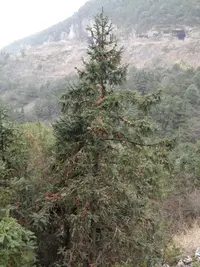
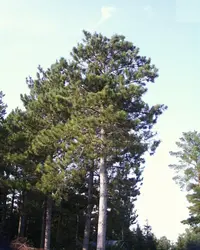
Red pine (Pinus resinosa) is a long-lived, evergreen conifer known for its tall, straight trunk and rounded, open crown. It keeps its needles year-round, giving reliable structure and color.

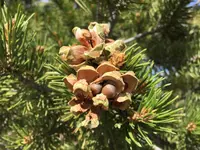
This species is native to northeastern North America, where it forms large forests on rocky ridges and well-drained sandy soils. Its reddish bark and paired, medium-length needles make it easy to recognize.

Red pine prefers full sun, cool to cold winters, and moderately dry, well-drained soil. Once established, it is fairly tolerant of wind, drought, and poor, acidic soils, which simplifies basic care for Red Pine.

Main Plant Requirements

Care Difficulty

Moderate Care

Light Preference

Full Sun

Water Requirements

Low Water

Temperature Preference

Cold Hardy

Hardiness Zone

2–5

Soil Texture

Sandy, Loamy, Rocky

Soil pH

Strongly acidic (4.5–5.5), Acidic (5.5–6.5)

Soil Drainage

Well-drained

Fertilization

Minimal (feed rarely)

Get Personalized Care Plan

Scan your plant to receive care tips personalized for your specific plant

Available on iOS and Android

How to Care for the Red Pine

This sun-loving conifer needs strong, direct light to stay dense and healthy.

  • Provide full sun for 6–8 hours daily; Red Pine develops best color and form in open, unshaded sites.
  • It tolerates light, brief partial shade, but prolonged shade leads to sparse branches, weak growth, and increased needle drop.
  • Newly planted trees benefit from some late-afternoon shade in hot summers to reduce transplant stress and needle scorch, especially on exposed sites.

This species prefers evenly dry to slightly moist soil rather than frequent, shallow watering.

  • During the first 1–2 years after planting, water when the top 5–8 cm of soil feels dry, then soak the root zone deeply and allow it to drain fully.
  • Established Pinus resinosa in the ground usually needs extra water only during prolonged drought, when needles start to dull or curl slightly inward.
  • Avoid poorly drained or compacted sites; chronically wet soil, sour smell, and yellowing lower needles suggest overwatering and root decline.

This cold-hardy pine tolerates wide outdoor temperature swings once established.

  • Active growth is strongest around 60–75°F (16–24°C), with good performance in typical temperate spring and early summer conditions.
  • Mature trees tolerate winter lows near -40°F (-40°C), but young or newly planted pines benefit from wind protection against drying cold.
  • In hot summers above 90°F (32°C), ensure soil does not fully dry out and avoid reflective heat traps, which can stress roots and scorch needles.

This pine tolerates a wide humidity range and rarely needs special humidity management.

  • Performs well in 30–60% humidity, similar to typical outdoor air in many temperate regions.
  • Handles dry air without issue if soil moisture is appropriate and roots are not overheated.
  • Only in very hot, windy, extremely dry sites may Red Pine show browning needle tips, reduced growth, and premature needle drop.

Pinus resinosa prefers loose, fast-draining, slightly acidic mineral soils that mimic its native sandy forest habitats.

  • Use a sandy or sandy-loam mix with 50–70% coarse mineral material (coarse sand, small grit) to keep roots oxygenated.
  • Target a slightly acidic pH around 5.0–6.5; avoid strongly alkaline mixes that can limit nutrient uptake and cause chlorosis (yellowing needles).
  • Blend in modest amounts of pine bark fines and a small portion of compost for structure and nutrients while still allowing rapid drainage.
  • Avoid heavy clay, waterlogged, or compacted substrates, which greatly increase root rot risk and reduce long-term vigor.

This species can be grown in containers for many years, but it remains best suited to outdoor, sun-exposed positions.

  • Choose a tall, heavy container that resists tipping, since the plant develops a relatively narrow but tall canopy over time.
  • Use a very fast-draining, gritty mix so that rainfall runs through quickly and roots do not sit in cool, stagnant water.
  • Position the pot where wind exposure is moderate, as strong gusts can stress roots by rocking the root ball in the container.

This species usually needs little fertilizer on typical garden soils, especially when young.

  • If growth is weak or needles pale, apply a balanced slow-release NPK granule around the drip line in early spring.
  • Use a low to moderate rate, following label directions; avoid high-nitrogen lawn fertilizers that burn roots.
  • Stop feeding Red Pine by late summer so new growth hardens before winter and skip fertilization in winter dormancy.

Pruning Pinus resinosa is minimal and aims to maintain health and a stable structure.

  • Carry out any pruning in late winter to very early spring before active growth starts.
  • Remove only dead, diseased, broken, or badly crossing branches with sharp, clean bypass pruners or a pruning saw.
  • Avoid cutting back into old bare wood; instead, shorten young shoots to adjust shape and manage size.

Pinus resinosa is usually field-grown and transplanted rather than long-term container grown.

  • Transplant in early spring or early fall when temperatures are mild and soil is moist but not waterlogged.
  • Look for signs such as circling roots in the pot, slow growth, or frequent wilting in container specimens.
  • Move to a wider, well-drained site or container, keeping the root flare at soil level and roots spread outward.
  • Water deeply after planting, then keep soil evenly moist for the first season to reduce transplant shock.

Propagation of Pinus resinosa is typically done from seed and can be slow for home growers.

  • Collect ripe cones in late summer to fall, then dry them so seeds release naturally.
  • Stratify seeds in moist sand or peat at 34–41°F for about 8–12 weeks to break dormancy.
  • Sow into a free-draining, slightly acidic mix, keep evenly moist, and provide bright light for germination.

Mature Pinus resinosa is very cold hardy and needs little active winter care in the ground.

  • Apply 5–8 cm of organic mulch over the root zone, keeping it a few cm away from the trunk base.
  • Water well in late fall during dry spells so roots enter winter hydrated.
  • Move young container plants to a sheltered, unheated but frost-free or slightly protected spot to prevent root damage.

Care Tips

Encourage Deep Roots

In the first 3–4 years, water less frequently but deeply to encourage a strong taproot and deeper lateral roots, which improves drought tolerance and long-term stability when growing Red Pine.

Protect Trunk Flare

Keep mulch and soil pulled back 5–8 cm from the trunk base so the root collar remains visible and dry, which reduces risk of rot and bark disease.

Plan Wind Exposure

Site the tree where it will receive some exposure to prevailing winds while young, as moderate wind movement helps develop stronger trunks and root systems, but avoid locations with extreme, funnelled wind.

Limit Lawn Competition

Maintain a grass-free mulch ring at least 60–90 cm from the trunk to reduce competition for water and nutrients and to prevent mower or string trimmer damage to the bark.

Monitor Resin Bleeding

Inspect the trunk and major branches 1–2 times per year for unusual resin bleeding or sunken lesions, which can indicate borer or canker problems that should be addressed early by pruning affected wood or consulting a certified arborist.

Common Pests and Diseases

Scleroderris canker

This disease causes cankers on branches and stems, browning of needles, and dieback starting from the lower crown upward.

Solution

Prune out and destroy infected branches during dry weather, disinfect pruning tools between cuts, and avoid planting red pine in low, poorly drained, or shaded sites where humidity stays high; in high-value plantings, local forestry or extension services may recommend a registered fungicide program as part of broader Pinus resinosa care instructions.

Diplodia tip blight

This disease leads to stunted, brown new shoots, resin-soaked needles, and progressive branch dieback, especially on older trees or those under stress.

Solution

Remove and discard infected cones and blighted twigs, improve tree vigor through proper watering and reduced mechanical stress, and maintain good spacing and airflow; in areas where the disease is common, consult local guidance about timing preventive fungicide sprays to protect new shoots in spring.

Pine needle rust

This disease produces yellow to orange spots or bands on needles that may later shed early, reducing overall vigor in young or stressed trees.

Solution

Rake up and destroy fallen needles, avoid overhead irrigation that keeps foliage wet, and increase spacing or thinning around trees to promote faster drying; in landscapes with repeated severe outbreaks, discuss targeted fungicide use with a local arborist.

Red pine scale

This pest consists of small scale insects that feed on the bark and twigs, causing thinning foliage, needle yellowing, and gradual decline.

Solution

Inspect trunks and branches regularly, prune and destroy heavily infested twigs, and encourage natural predators by minimizing broad-spectrum insecticide use; for persistent, heavy infestations, a certified arborist can apply a targeted systemic insecticide at the appropriate season.

Pine sawflies

These insects are caterpillar-like larvae that feed in groups on needles, creating thin or bare branches and reducing tree vigor, especially on young trees.

Solution

Hand-pick or shake larvae off small trees into soapy water, prune out and discard heavily infested small branches, and monitor regularly during spring and early summer; where populations are high, use a selective biological insecticide containing Bacillus thuringiensis (Bt) following label directions to limit impact on beneficial insects.

Interesting Facts

Naturally self-pruning crown

Red pine often sheds lower branches as it matures, forming a high, clean canopy that lets more light reach the forest floor and reduces the risk of ground fires climbing into the crown.

Very low genetic variation

Populations of Pinus resinosa across its broad native range show unusually low genetic diversity, suggesting a historical population bottleneck that reduced its genetic variation.

Fire-adapted regeneration

Mature red pines have relatively thick bark and can survive low- to moderate-intensity fires, while the open, sunny conditions after fire favor the successful establishment of its seedlings.

Botan icon

Did you know?

Some of the oldest known red pines in eastern North America have been dated to more than 400 years using tree-ring analysis, making them valuable recorders of long-term climate and disturbance history in their native forests.

FAQs about Red Pine

This species grows at a moderate rate, usually 30–60 cm per year in good conditions. It often becomes a noticeable young tree within 8–15 years, then continues height gain more slowly as it matures.

Grow Healthy Plants with Botan Care

Keep your plants happy and healthy with plant identification, disease detection, and easy care guidance.

Botan plant care app — identify plants on mobile

Explore More Plants