Deep root training
During the first 2–3 years, water less frequently but very thoroughly to encourage deep root development, which increases drought tolerance and anchorage in windy sites.

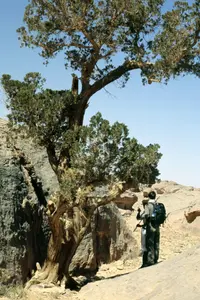
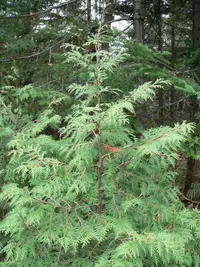
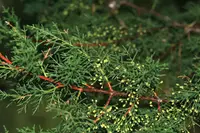
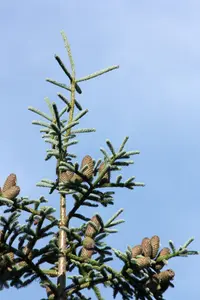
Saharan cypress (Cupressus dupreziana) is a rare, long-lived conifer tree adapted to extreme desert mountain conditions. It forms a dense, evergreen crown with fine, scale-like foliage and small cones.
In nature it survives in a few isolated stands in the central Sahara, where drought, wind, and poor rocky soils are common. This slow growth and strong drought tolerance make it resilient but not fast to establish in cultivation.
Gardeners who want to care for Saharan Cypress should know it prefers full sun, sharply drained soil, and dry to moderately dry conditions. Its rarity and slow growth rate can make it challenging to source and to grow into a mature specimen.

Care Difficulty
Hard Care

Light Preference
Full Sun

Water Requirements
Low Water

Temperature Preference
Cold Hardy

Hardiness Zone
7–9

Soil Texture
Sandy, Loamy, Rocky

Soil pH
Slightly acidic (6.5–7.0), Slightly alkaline (7.0–7.5)

Soil Drainage
Well-drained

Fertilization
Minimal (feed rarely)
Scan your plant to receive care tips personalized for your specific plant
Available on iOS and Android
This species thrives in bright outdoor conditions with long hours of direct sun once established.
This conifer prefers dry to slightly moist soil and suffers if kept wet for long periods.
This desert-adapted tree handles a wide temperature range but still benefits from moderate growing conditions.
This drought-adapted conifer handles low humidity well and rarely needs special moisture control indoors.
Cupressus dupreziana prefers lean, sharply drained mineral soils that never stay waterlogged.
This species can be grown in containers when provided with a deep, very stable pot that manages fast drainage.
This desert-adapted conifer needs only light feeding in cultivation, so focus on modest, steady nutrition rather than heavy fertilizer use for Saharan Cypress.
Pruning Cupressus dupreziana is mainly corrective, aimed at maintaining structure and removing problem growth rather than heavy shaping.
Cupressus dupreziana is usually grown in the ground, so focus on careful transplanting and only occasional container repotting when necessary.
Propagation of Cupressus dupreziana is possible but somewhat specialized, most often done by semi-hardwood cuttings or seed under controlled conditions.
This species is relatively cold hardy when established but benefits from basic winter care in colder regions or containers.

Plant Health Check
Not sure what's wrong with your plant? Check your plant's health inside the app.
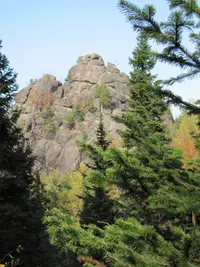
This species is known from only one natural population in the Tassili n’Ajjer region of the central Sahara, where just a small number of old trees survive in remote canyons and rocky ravines.
Genetic studies show that seeds from this species carry only the father’s nuclear DNA because the maternal genetic contribution is largely excluded, an unusual form of reproduction among conifers.
Cupressus dupreziana is considered a relict of a wetter prehistoric Sahara, surviving today in high, shaded sandstone gorges where occasional runoff and cooler microclimates remain.

Some individual Saharan cypress trees are believed, based on growth rates and morphology, to be many hundreds of years old and possibly over 1,000 years old, making them among the oldest known organisms in the central Sahara desert.
Growth is generally slow. In cultivation, young trees may add about 10–20 cm per year, sometimes less. Growth rate improves with full sun, excellent drainage, and low to moderate watering that mimics its native desert-mountain habitat.
Keep your plants happy and healthy with plant identification, disease detection, and easy care guidance.