Chickasaw plum Care (Prunus angustifolia)

Chickasaw plum

About Chickasaw plum

Chickasaw plum, Prunus angustifolia, is a small deciduous tree or large shrub native to the southeastern and south-central United States. It often forms thickets in fields, wood edges, and along roadsides.

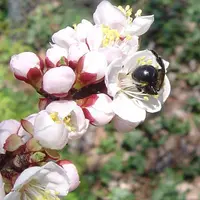
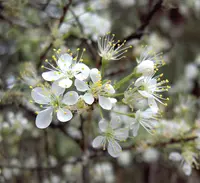
Plants have slender, often thorny branches, narrow leaves, and showy white spring flowers followed by small, tart, edible plums. Wildlife uses the dense growth for cover and the fruit as a food source.

This species is generally hardy, adaptable, and fast growing, which makes it suitable for low-maintenance landscapes and naturalistic plantings. Light, well-drained soil and full sun to light shade support healthy growth and make it easier to care for Chickasaw plum.

Main Plant Requirements

Care Difficulty

Easy Care

Light Preference

Full Sun

Water Requirements

Low Water

Temperature Preference

Cold Hardy

Hardiness Zone

5–9

Soil Texture

Sandy, Loamy, Clay

Soil pH

Acidic (5.5–6.5), Slightly acidic (6.5–7.0)

Soil Drainage

Well-drained

Fertilization

Minimal (feed rarely)

Get Personalized Care Plan

Scan your plant to receive care tips personalized for your specific plant

Available on iOS and Android

How to Care for the Chickasaw plum

This North American shrub thrives in open, sunny sites but accepts some light shade.

  • Provide full sun for best flowering and fruiting, with 6–8 hours of direct light daily as a good target for Chickasaw plum.
  • Allow light afternoon shade in hotter regions; morning sun plus dappled afternoon light reduces leaf scorch and water stress.
  • Watch for leggy shoots, sparse bloom, or poor fruit set as signs of too much shade, and scorched, curled leaves as signs of excessive, intense sun exposure.

This species prefers moderately dry, well-drained conditions once established.

  • During the first 1–2 years after planting, water when the top 5–8 cm of soil are dry, then soak the root zone deeply rather than giving frequent light applications.
  • In established landscape plantings, limit irrigation to extended dry spells; gray, wilted foliage and brittle twigs indicate underwatering.
  • Avoid soggy soil and standing water; yellowing leaves, soft new growth, or fungal spotting often indicate overwatering in Prunus angustifolia.

This hardy shrub tolerates a wide temperature range but performs best with moderate seasonal swings.

  • Active growth is strongest around 65–85°F (18–29°C), with flowering and fruit development supported by warm days and cooler nights.
  • Dormant plants tolerate winter lows near 0°F (−18°C) once established, though young shrubs benefit from protection from severe Arctic blasts.
  • Heat tolerance is good up to about 95°F (35°C) if soil moisture is adequate; prolonged extreme heat with drought can stress plants and reduce fruit quality.

Humidity is not a critical factor for Prunus angustifolia, which adapts well across 30–60% relative humidity.

  • Tolerates dry air down to about 30% without significant stress when soil moisture is adequate.
  • Humidity stress may show as marginal leaf browning and early leaf drop, usually combined with drought or heat.
  • Increasing humidity is rarely needed; in extreme dry, hot sites, a nearby mulch layer and wind protection reduce leaf moisture loss.

Prunus angustifolia prefers well-structured, mineral soils that drain quickly yet retain some moisture.

  • Use sandy or sandy-loam soil with 20–30% compost to provide structure, modest organic content, and root anchoring.
  • Ensure fast drainage; incorporate coarse sand or fine gravel if native soil is heavy or tends to puddle after rain.
  • Maintain slightly acidic to neutral pH around 6.0–7.0; avoid highly alkaline, compacted, or waterlogged sites that promote root rot.
  • For new plantings, loosen soil 25–30 cm deep to improve aeration, then lightly firm around roots without creating a dense basin.

This species can be grown in containers short term, but long-term performance is better in the ground.

  • Choose a large, deep, heavy container to prevent tipping as the shrub develops a woody, spreading canopy.
  • Select thick-walled clay or concrete pots to reduce overheating and moisture swings around the root zone.
  • Use a sharply draining mix of sandy loam and coarse mineral grit so water moves through quickly while roots still anchor firmly.

This native small tree usually needs modest feeding, especially when growing Chickasaw plum in lean soils.

  • Use a balanced slow-release fertilizer (such as 10-10-10) or a light layer of compost in early spring as growth begins.
  • Apply once per year for established trees; young or container plants may benefit from a second light feeding in midsummer.
  • Use fertilizer at 1/2 strength for container plants and water well afterward to prevent root burn.
  • Skip fertilizing in late fall and winter to avoid stimulating tender growth before dormancy.

Pruning Prunus angustifolia keeps the crown open, manageable, and more productive.

  • Schedule main pruning in late winter to very early spring before bud break.
  • Remove dead, damaged, crossing, or inward-growing branches with clean, sharp bypass pruners or loppers.
  • Thin crowded interior shoots to improve light penetration, airflow, and flowering wood quality.
  • Shorten overly long branches to maintain shape, but avoid heavy topping cuts that trigger weak watersprouts.

This species is usually field-grown, so transplanting young trees at the right time is more important than frequent repotting.

  • Transplant in late winter to early spring while dormant, before new growth starts, for best establishment.
  • Look for roots circling the container, water running off quickly, or stalled growth as signs a potted plant needs a larger container.
  • Shift to a container 1–2 sizes larger, loosening encircling roots gently to encourage new outward growth.
  • Water deeply after transplanting, mulch the root zone 5–8 cm thick, and keep soil evenly moist until well rooted.

New Prunus angustifolia plants are commonly produced from suckers, cuttings, or seed, depending on goals.

  • Lift and separate root suckers in late winter, keeping a good root portion attached, then replant promptly.
  • Take semi-hardwood cuttings in midsummer, use rooting hormone, and place in a warm, humid, bright but shaded environment.
  • Sow fresh seed in fall outdoors or provide 2–3 months of cold stratification before spring sowing.
  • Use a well-drained, sandy mix and keep slightly moist, avoiding waterlogging that causes rot.

This small native plum is cold hardy in much of its range and usually needs minimal winter care once established.

  • In fall, apply a 5–8 cm mulch layer around the root zone, keeping it a few cm away from the trunk.
  • Young or marginal-climate trees benefit from burlap windbreaks to limit freeze–thaw stress on stems.
  • Move container-grown plants into an unheated garage or sheltered cold frame where roots stay above about 20°F.

Care Tips

Sucker Management

Inspect the root zone each spring and summer and promptly cut off root suckers at or just below soil level to maintain a single-trunk form and prevent the thicket habit from overtaking nearby planting areas.

Wind and Fruit Support

In open, windy sites, use a low, wide staking system for young trees and thin heavy fruit clusters early to reduce branch breakage and improve fruit size and quality.

Targeted Pest Monitoring

Starting at bud swell, check leaves and young shoots weekly for aphids, scale, and caterpillar feeding, and use horticultural oil or a strong water spray at the first signs of infestation rather than waiting for severe damage.

Brown Rot Prevention

To limit brown rot on fruit, promptly remove and dispose of mummified or damaged plums and fallen fruit, and avoid overhead watering that wets blossoms and fruit during flowering and ripening.

Wildlife-Friendly Netting

If birds strip the crop before you can harvest, install a lightweight fruit tree net over a simple frame just before fruits begin to color so you can continue growing Chickasaw plum while still allowing pollinators access during bloom earlier in the season.

Common Pests and Diseases

Black knot

This disease causes rough, swollen black galls on stems and branches that can girdle and kill affected wood over time. Symptoms include hard, charcoal-colored swellings that enlarge each year if not removed.

Solution

Prune out infected twigs and branches at least 15–20 cm below visible galls during dry weather, and destroy all removed material away from the planting site. Maintain good airflow by thinning dense suckers, avoid overhead irrigation on the canopy, and consider using a labeled fungicide spray program in early spring if black knot is persistent in the area.

Brown rot

This disease attacks blossoms and fruit, causing blossom blight, twig dieback, and fruit that turns soft, brown, and covered with tan spore masses. Symptoms include mummified fruit that may remain attached and serve as a source of new infections.

Solution

Remove and discard all mummified fruit and dead twigs, and prune to open the canopy so it dries quickly after rain. During bloom and early fruit development, apply a labeled stone-fruit fungicide if brown rot has been a problem locally, and avoid leaving fallen fruit on the ground around Chickasaw plum thickets.

Plum curculio

This pest is a small beetle whose larvae develop inside fruit, leading to crescent-shaped egg-laying scars, internal tunneling, and premature fruit drop. This pest is especially common on wild and unmanaged plum stands that act as reservoirs for nearby orchards.

Solution

Collect and destroy dropped fruit weekly during the season to break the life cycle, and thin fruit so remaining plums are less crowded. In regions with heavy pressure, use trunk banding or targeted insecticide sprays timed to petal fall and early fruit set according to local extension recommendations for Prunus angustifolia care instructions.

Peach tree borer

This insect attacks the lower trunk and crown, with larvae tunneling under the bark and weakening or killing young trees. Symptoms include gumming mixed with sawdust-like frass at the base of the trunk and reduced vigor in affected plants.

Solution

Inspect the lower trunk regularly and gently remove accessible larvae with a thin wire or knife without girdling the tree. Keep grass and weeds away from the trunk, avoid mechanical injury, use trunk wraps or screens where pressure is high, and apply labeled trunk sprays or pheromone disruptors at the correct seasonal timing in problem areas.

Leaf curl plum aphid

These insects feed on tender leaves and shoots, causing curling, distortion, and sticky honeydew that can lead to sooty mold growth. This pest often clusters on new growth in spring and can stunt young plants if populations are high.

Solution

Rinse colonies from foliage with a strong stream of water, and encourage natural predators such as lady beetles by minimizing broad-spectrum insecticides. On heavily infested young plants, use horticultural soap or a labeled systemic insecticide applied according to label directions, focusing on early spring when new leaves begin to expand.

Interesting Facts

Native prairie plum

This species is native to central and southeastern North America, where it naturally forms thickets along prairies, open woods, and roadsides, often stabilizing sandy or disturbed soils.

High wildlife value

The small, tart plums are an important seasonal food for birds and mammals, while the dense, thorny branches provide nesting and protective cover for many small animals.

Hybridization with other plums

It readily hybridizes with other native and cultivated plums, such as Prunus mexicana and Prunus salicina, which has been used in breeding programs to combine fruit quality with its drought and heat tolerance, and informs practical Prunus angustifolia care in warm regions.

Botan icon

Did you know?

Archaeological evidence from sites in the southeastern United States shows that Indigenous peoples used and managed Chickasaw plum for centuries before European contact, indicating early semi-domestication and deliberate transport of this species across parts of its range.

FAQs about Chickasaw plum

This species is very attractive to early-season pollinators. The fragrant white blossoms provide nectar and pollen for native bees, honeybees, butterflies, and other beneficial insects, supporting local ecosystems and improving fruit set in nearby fruiting plants.

Grow Healthy Plants with Botan Care

Keep your plants happy and healthy with plant identification, disease detection, and easy care guidance.

Botan plant care app — identify plants on mobile

Explore More Plants