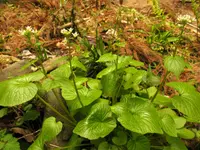
Staggered Harvesting
Cut outer leaves first and leave the central crown intact so the plant can keep producing fresh foliage through the season.


Common sorrel, Rumex acetosa, is a cool-season perennial herb grown mainly for its tangy, lemony leaves. It forms low clumps of fresh green foliage with slender flower stalks.
This species is native to Europe and parts of Asia but is now widely naturalized in many temperate regions, including North America. It is usually grown in kitchen gardens, herb beds, or informal edible borders.
Common sorrel is generally easy to grow, as long as it receives consistent moisture and is planted in reasonably fertile, well-drained soil. Light shade in hot summers and regular harvesting help maintain tender leaves and make it simpler to care for Common Sorrel.

Care Difficulty
Easy Care

Light Preference
Partial Sun

Water Requirements
Regular Water

Temperature Preference
Cold Hardy

Hardiness Zone
4–8

Soil Texture
Loamy, Silty, Organic-rich

Soil pH
Acidic (5.5–6.5), Slightly acidic (6.5–7.0)

Soil Drainage
Moist but well-drained

Fertilization
Light (every 4–6 weeks)
Scan your plant to receive care tips personalized for your specific plant
Available on iOS and Android
This leafy perennial prefers cool conditions with steady, moderate light for tender leaves.
This plant favors consistently moist, but not saturated, soil for best leaf production.
This cool-season perennial grows best in mild temperatures and tolerates considerable cold.
Humidity is not a major factor for Rumex acetosa, which grows well in typical outdoor ambient conditions.
Rumex acetosa prefers moist, well-structured soil that stays evenly damp without becoming stagnant.
This species is suitable for container growing when the pot supports consistent moisture and root depth.
This leafy herb benefits from modest feeding to support repeated leaf harvests.
Targeted pruning keeps Rumex acetosa productive and prevents unwanted self-seeding.
This species is usually grown in beds but can adapt to containers or be moved within the garden when needed.
Rumex acetosa is commonly propagated by both division and seed for kitchen or garden use.
This hardy perennial usually needs minimal winter care in most temperate climates.

Plant Health Check
Not sure what's wrong with your plant? Check your plant's health inside the app.
The sour taste of common sorrel leaves comes mainly from oxalic acid, an organic acid that binds minerals like calcium and gives the plant its characteristic sharp, lemony flavor.
Rumex acetosa tends to thrive on moderately acidic, moist soils and often appears naturally in pastures and meadows where the pH is low compared with surrounding areas.
Common sorrel is typically dioecious, meaning individual plants bear either male or female flowers, which encourages cross‑pollination by wind for greater genetic diversity.

In many European regions, common sorrel has a long culinary history and appears in traditional dishes such as French soupe à l’oseille, where its natural acidity was historically used to brighten flavors before lemons were widely available.
The leaves are edible and widely used in salads, soups, and sauces for their lemony, acidic taste. They contain oxalic acid, so people with kidney issues or on low-oxalate diets should limit intake and consult a professional.
Keep your plants happy and healthy with plant identification, disease detection, and easy care guidance.