Controlled spreading
Edge beds or lawn areas with a shallow physical barrier 5–8 cm deep to prevent rhizomes and creeping stems from invading nearby planting zones while still allowing a dense, useful groundcover to form.

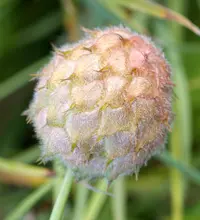
Strawberry clover (Trifolium fragiferum) is a low-growing perennial legume valued as a groundcover, forage plant, and lawn alternative. It forms dense mats of trifoliate leaves and small pinkish flower heads that develop into decorative, strawberry-like seed heads.
This species is native to coastal and damp areas of Europe and western Asia but is widely naturalized in North America. It tolerates periodic flooding, moderate foot traffic, and some soil salinity, which makes it adaptable to many garden and landscape settings.
It is generally easy to grow, as it fixes nitrogen in the soil and competes fairly well with weeds. To care for strawberry clover, provide full sun, moderate moisture, and reasonably well-drained soil for best performance.

Care Difficulty
Easy Care

Light Preference
Full Sun

Water Requirements
Regular Water

Temperature Preference
Cold Hardy

Hardiness Zone
4–9

Soil Texture
Sandy, Loamy, Clay

Soil pH
Slightly acidic (6.5–7.0), Slightly alkaline (7.0–7.5)

Soil Drainage
Moist but well-drained

Fertilization
Minimal (feed rarely)
Scan your plant to receive care tips personalized for your specific plant
Available on iOS and Android
This low-growing perennial clover prefers bright conditions but tolerates some shade.
This clover prefers consistently moist but not waterlogged soil.
This hardy clover tolerates a wide temperature range but grows best in mild conditions.
This species tolerates a wide humidity range and rarely needs special humidity management.
Trifolium fragiferum grows best in moderately fertile, moist yet well-drained soil with balanced structure.
This species adapts well to container growing when moisture and root space are managed carefully.
This low-maintenance legume fixes its own nitrogen, so strawberry clover usually needs only light supplemental feeding in poor soils.
Trifolium fragiferum responds well to light pruning, which keeps the mat dense and encourages fresh flowering.
This species is more often transplanted in the ground than grown long term in containers.
Trifolium fragiferum is commonly propagated by seed and by division of established mats.
This clover is generally cold hardy and needs minimal winter attention in most temperate climates.

Plant Health Check
Not sure what's wrong with your plant? Check your plant's health inside the app.
The plant forms rounded seed heads with enlarged, fleshy calyces that turn pinkish to reddish, giving a strawberry-like appearance that inspired its common name, strawberry clover.
This species tolerates saline and periodically flooded soils better than many other clovers, so it is often used on coastal pastures, estuarine margins, and low-lying fields where other legumes fail.
It spreads by creeping stolons that root at the nodes, creating a dense, low mat that helps stabilize soil and outcompete some shallow-rooted weeds in moist habitats.

This clover often hosts nitrogen-fixing Rhizobium bacteria in its root nodules, allowing it to enrich poor soils with biologically available nitrogen and improve pasture quality when mixed with grasses.
This species spreads steadily by seed and creeping stems, forming a low, dense mat over time. In lawns or open beds it can outcompete weaker plants, so edging, regular mowing, or defined planting areas help contain it when growing strawberry clover.
Keep your plants happy and healthy with plant identification, disease detection, and easy care guidance.