Zonal Geranium Care (Pelargonium x hortorum 'Vancouver Centennial')

Also known as: Fish Geranium, Horseshoe Geranium, Storksbill
Zonal Geranium

About Zonal Geranium

Pelargonium x hortorum 'Vancouver Centennial' is a compact, tender perennial often grown as a bedding or container plant. It is part of the zonal geranium group, valued for colorful foliage as much as its flowers.

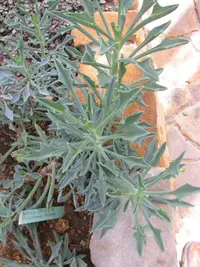
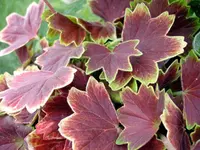
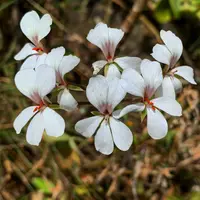
This cultivar forms low, bushy mounds with finely divided, bronze-green leaves marked by bright orange-red zones, giving strong visual contrast. Clusters of small, red-orange flowers rise above the foliage during warm months.

It does not occur naturally in the wild but was developed in cultivation from South African Pelargonium species. In practice, gardeners usually treat it as an annual in cooler climates.

It is considered easy to moderate to grow, as it tolerates some neglect but dislikes waterlogged soil and deep shade. Basic knowledge of how to care for Zonal Geranium is usually enough for success.

Main Plant Requirements

Care Difficulty

Moderate Care

Light Preference

Full Sun

Water Requirements

Moderate Water

Temperature Preference

Tropical / Frost Sensitive

Hardiness Zone

10–11

Soil Texture

Sandy, Loamy, Organic-rich

Soil pH

Acidic (5.5–6.5), Slightly acidic (6.5–7.0)

Soil Drainage

Well-drained

Fertilization

Moderate (every 2–4 weeks)

Get Personalized Care Plan

Scan your plant to receive care tips personalized for your specific plant

Available on iOS and Android

How to Care for the Zonal Geranium

Pelargonium x hortorum 'Vancouver Centennial' prefers bright, direct light for compact growth and strong color.

  • Provide 6–8 hours of sun daily, ideally with morning and midday sun; light afternoon shade in very hot climates helps prevent leaf scorch.
  • Plants tolerate light or dappled shade for part of the day, but prolonged low light leads to leggy stems and fewer flowers in this Zonal Geranium.
  • In spring and fall, full sun is usually safe; in summer, monitor for bleaching or crispy leaf edges and shift to filtered afternoon light if needed.

Pelargonium x hortorum 'Vancouver Centennial' prefers thorough watering followed by a short dry-down period.

  • Water when the top 2–4 cm of soil feels dry, soaking the root zone, then let excess drain completely to avoid standing water.
  • In spring and summer, expect more frequent watering, while in cooler fall and winter conditions, extend the interval as growth slows.
  • Watch for yellowing, mushy stems or a sour smell as overwatering signs, and for drooping, dull leaves and very light pots as underwatering indicators.

This cultivar grows best in warm, stable conditions without frost exposure.

  • Aim for 65–80°F (18–27°C) during active growth; short peaks up to 85°F (29°C) are tolerated if soil does not stay waterlogged.
  • Protect from cold; growth slows below 55°F (13°C), and tissue damage occurs near or below 32°F (0°C), especially in wet or windy conditions.
  • In regions with cold winters, treat it as a warm-season annual outdoors or overwinter plants above 55°F (13°C) in a sheltered, bright location.

This plant prefers relatively dry air and usually does best at 30–50% humidity.

  • Tolerates typical indoor dry air well and rarely needs extra humidity for healthy growth.
  • Watch for limp, pale foliage and slowed growth if humidity stays above 60%, which can favor fungal issues.
  • Increase airflow rather than humidity by using a fan or open window to reduce moisture around Zonal Geranium leaves.

Pelargonium x hortorum 'Vancouver Centennial' needs a loose, sharply draining potting medium to prevent root rot.

  • Use a light mix such as 2 parts all-purpose potting mix with 1 part perlite or coarse sand for better drainage and aeration.
  • Aim for slightly acidic to neutral pH, around 6.0–7.0, avoiding very alkaline or compacted soils.
  • Blend in a small amount of fine bark or grit to keep the structure open and prevent the mix from packing down over time.
  • Avoid heavy clay, peat-only, or water-retentive mixes that stay wet for more than 2–3 days after watering.

This cultivar is well suited to growing in containers outdoors on patios, balconies, or steps.

  • Choose a container only 2–5 cm wider than the root ball to keep the mix drying at a steady rate and avoid waterlogging.
  • Select a stable, heavier pot material such as ceramic if plants become top-heavy in windy spots.
  • Raise the container slightly on pot feet or bricks so drainage holes stay clear and excess water escapes quickly.

This zonal geranium benefits from steady, moderate feeding for sustained foliage color and flowering.

  • Use a balanced liquid fertilizer (around 10-10-10 or 15-15-15) at 1/2 strength every 2–3 weeks in spring and summer.
  • Alternatively, mix a slow-release granular fertilizer into the potting mix at the start of the growing season.
  • Pause or reduce feeding to once every 4–6 weeks at 1/4 strength in fall and winter, especially indoors.
  • Ensure soil is moist before applying any fertilizer to limit root burn and salt buildup.

Thoughtful pruning keeps Pelargonium x hortorum 'Vancouver Centennial' compact, leafy, and floriferous.

  • Pinch soft shoot tips in early spring to encourage branching and a fuller mound of foliage.
  • Use sharp, clean scissors or pruners to remove dead, yellowing, or diseased leaves and spent flower stems.
  • Thin crowded interior stems to improve airflow, reducing fungal issues and keeping growth balanced.
  • Lightly reshape plants after major flowering flushes, avoiding cutting into very old, woody stems all at once.

Container-grown plants benefit from occasional repotting to maintain root health and vigorous growth.

  • Check for roots circling the pot, emerging from drainage holes, or unexplained slow growth as signs to repot.
  • Plan repotting for early spring, moving Pelargonium x hortorum 'Vancouver Centennial' into a pot only 2–5 cm wider.
  • Use fresh, well-drained potting mix and gently tease apart circling roots to encourage new root branching.
  • Water thoroughly after repotting, then keep in bright, indirect light for several days to reduce transplant stress.

Stem cuttings are the most reliable method to grow Pelargonium x hortorum 'Vancouver Centennial'.

  • Take 7–10 cm non-flowering tip cuttings in late spring or summer from healthy, pest-free shoots.
  • Remove lower leaves, let the cut surface dry for 15–30 minutes, then optionally dip in rooting hormone.
  • Insert cuttings into a sterile, free-draining medium such as perlite and peat or a similar light mix.
  • Keep in bright, indirect light at 65–75°F with slightly moist (not wet) medium until roots form in 2–4 weeks.

This plant is frost-sensitive and needs protection in cold climates.

  • Before first frost, move container plants indoors to a bright, cool room above 45–50°F.
  • For in-ground plants in mild zones, cut back leggy stems and mulch lightly around the base to insulate roots.
  • Water sparingly in winter, allowing the top layer of soil to dry between waterings to limit rot risk.
  • Check overwintered plants periodically for pests and remove any dead or moldy foliage promptly.

Care Tips

Pinch For Bushiness

Pinch out soft shoot tips every 2–3 weeks in spring to keep plants compact, encourage more branching, and increase flower cluster production.

Rotate For Even Color

Turn containers 90° every 7–10 days so all sides receive similar light, which keeps the foliage markings even and prevents lopsided growth.

Deadhead With Stems

Remove spent flower heads by snapping or cutting the entire flower stalk back to its base to reduce disease risk and redirect energy to new buds.

Refresh Tired Plants

In late summer, take 7–10 cm tip cuttings from the healthiest shoots, root them in a small pot, and replace older, woody plants with these vigorous starts for better Pelargonium x hortorum 'Vancouver Centennial' plant care over multiple seasons.

Winter Storage Strategy

In cold climates, overwinter plants by keeping them in a bright, cool indoor spot and lightly trimming leggy stems in late winter to prepare compact plants for outdoor growth next season.

Common Pests and Diseases

Geranium rust

This disease causes small yellow spots on upper leaf surfaces that turn into brown or black pustules on the undersides. Symptoms include premature leaf drop and general weakening of the plant.

Solution

Remove and discard all infected leaves, including any that have fallen onto the soil surface, and avoid overhead watering to keep foliage dry. Improve air circulation around plants and treat remaining foliage with a labeled fungicide containing myclobutanil or chlorothalonil, repeating as directed until new growth appears clean.

Botrytis blight

This disease produces soft, brown water-soaked areas on leaves, stems, and flowers that quickly develop fuzzy gray mold in humid, cool conditions. Symptoms include flower bud drop and rotting at the base of dense foliage clusters.

Solution

Cut off and discard all affected tissues, thin dense growth to improve airflow, and keep spent flowers and debris off the soil surface. Water at the base in the morning, lower indoor humidity where possible, and apply a suitable fungicide if gray mold continues to spread.

Bacterial blight

This disease leads to black, angular leaf spots, wedge-shaped lesions starting at the leaf edge, and sometimes sudden wilting and collapse of stems. Symptoms include rapid decline of affected plants, especially in warm, wet conditions.

Solution

Immediately remove and destroy infected plants and any nearby heavily spotted leaves, and avoid splashing water from plant to plant. Use only clean tools and cuttings, keep foliage dry, and start new plants from certified healthy stock if losses are severe.

Geranium budworm

This pest is a caterpillar that tunnels into flower buds and petals, causing chewed buds, distorted blooms, and brown frass inside or around the flowers. Symptoms include buds that fail to open or open with ragged petals.

Solution

Hand-pick and destroy visible caterpillars and remove all damaged flower buds and blooms to reduce populations. For ongoing infestations, use a biological control such as Bacillus thuringiensis (Bt) or spinosad in the evening, coating buds and flowers according to label directions as part of broader Pelargonium x hortorum 'Vancouver Centennial' plant care.

Aphids

These insects cluster on tender shoot tips and under leaves, sucking sap and causing curling, distortion, and sticky honeydew that can lead to sooty mold. Symptoms include stunted new growth and sometimes ant activity around the plant.

Solution

Spray infested shoots with a strong stream of water to dislodge colonies, then treat remaining clusters with insecticidal soap or a light horticultural oil, thoroughly coating leaf undersides and stems. Repeat applications every 5–7 days until populations are under control and encourage natural predators outdoors by avoiding broad-spectrum insecticides.

Interesting Facts

Copper foliage mutation

This cultivar shows a stable genetic mutation that produces copper-brown foliage with lime-green zones instead of the typical green leaves of most zonal geraniums, making the foliage decorative even when the plant is not flowering.

Single flower clusters

It produces single, star-shaped orange-red flowers in loose clusters rather than the dense, ball-shaped umbels seen in many other zonal geranium cultivars, which gives the plant a lighter, more open floral appearance.

1960s Vancouver origin

The cultivar was selected in the 1960s in Vancouver, Canada, and its name reflects its place of origin, which is unusual because most older zonal geranium cultivars were bred and named in Europe.

FAQs about Zonal Geranium

Lack of flowering usually comes from insufficient light, too much nitrogen fertilizer, or old, spent stems. Remove faded flower heads, trim leggy growth, and use a balanced fertilizer. Good light and regular deadheading support growing Zonal Geranium for abundant blooms.

Grow Healthy Plants with Botan Care

Keep your plants happy and healthy with plant identification, disease detection, and easy care guidance.

Botan plant care app — identify plants on mobile

Explore More Plants