Green Hellebore Care (Helleborus viridis)

Also known as: Bear's-foot
Green Hellebore

About Green Hellebore

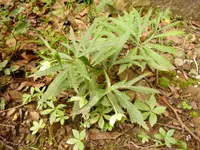
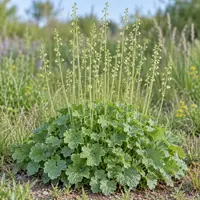
Green hellebore (Helleborus viridis) is a hardy, evergreen perennial from woodland and scrub habitats in parts of Europe. It forms low clumps of divided, leathery leaves. The plant produces nodding, green, cup-shaped flowers on upright stems in late winter to early spring, often before many other plants start growing. It prefers cool conditions, partial shade, and moist but well-drained, humus-rich soil. Once established, it is long-lived but can be slow to settle after planting, so it suits patient gardeners willing to learn how to care for Green Hellebore.

Main Plant Requirements

Care Difficulty

Moderate Care

Light Preference

Partial Shade

Water Requirements

Moderate Water

Temperature Preference

Cold Hardy

Hardiness Zone

4–8

Soil Texture

Loamy, Sandy, Organic-rich

Soil pH

Acidic (5.5–6.5), Slightly acidic (6.5–7.0)

Soil Drainage

Moist but well-drained

Fertilization

Minimal (feed rarely)

Get Personalized Care Plan

Scan your plant to receive care tips personalized for your specific plant

Available on iOS and Android

How to Care for the Green Hellebore

This woodland perennial prefers cool, sheltered light conditions rather than intense direct sun.

  • Provide 3–5 hours of soft morning sun with dappled or bright open shade for the rest of the day, especially in summer.
  • Avoid strong midday and afternoon sun, which can scorch leaves and fade flowers on Green Hellebore, particularly in exposed sites.
  • In hot climates, use shade from deciduous trees or buildings; in winter, increased light after leaf drop helps maintain compact growth.

This species prefers consistently moist but never waterlogged soil throughout the growing season.

  • Water when the top 3–5 cm of soil feels barely damp rather than wet, especially during active growth in late winter and spring.
  • Ensure soil drains freely; standing water or a sewage smell indicates overwatering and raises the risk of root rot in Helleborus viridis.
  • Crumpling, dull leaves often signal drought stress; increase deep soaking in prolonged dry periods and reduce watering in cool, wet weather.

This hardy perennial is adapted to cool to mild climates with pronounced seasonal change.

  • Optimal growth occurs around 45–65°F (7–18°C), typical of late winter to spring conditions in many temperate gardens.
  • Mature plants tolerate lows near 0°F (−18°C) under mulch or snow cover, though young plants benefit from protection from severe freezes.
  • In summer, provide shade and mulch where temperatures often exceed 80°F (27°C), since prolonged heat above 86°F (30°C) can cause stress and earlier leaf decline.

Humidity is rarely a limiting factor for Helleborus viridis, which suits most outdoor conditions in temperate climates.

Helleborus viridis prefers cool, consistently moist, humus-rich soil with free drainage.

  • Use a loamy structure with high organic matter, such as garden loam mixed with leaf mold or compost, to mimic woodland conditions.
  • Ensure drainage by incorporating 20–30% grit or coarse sand, especially in heavier clay sites, to prevent waterlogging around the crown.
  • Aim for mildly acidic to neutral pH (6.0–7.0); add composted bark or leaf mold to lower pH slightly if soil is very alkaline.
  • Avoid compacted, poorly drained, or very sandy soils; improve aeration by working organic matter 15–20 cm deep before planting.

This species can be grown in containers outdoors if the pot supports its deep, slowly spreading root system.

  • Choose a container at least 30 cm deep to accommodate the plant’s thickened roots and maintain more stable moisture levels.
  • Select a heavy, frost-resistant pot material (such as thick ceramic) to anchor the plant against wind and winter heave.
  • Raise the container on feet or bricks so drainage holes stay clear and winter wet does not accumulate under the base.

This woodland perennial benefits from modest feeding rather than heavy fertilization.

  • Apply a thin layer of compost or well-rotted manure around clumps in early spring for steady nutrients.
  • Use a balanced slow-release fertilizer (around 10-10-10) at half strength once in early spring and again in mid-spring.
  • Avoid feeding during summer dormancy or winter; excess nutrients can reduce flowering and stress roots.
  • Water after application to move nutrients into the root zone without concentrating salts.

Pruning Helleborus viridis focuses on hygiene and display rather than reshaping the plant.

  • In late winter to very early spring, cut away old, diseased, or winter-damaged leaves at the base with clean, sharp pruners.
  • Remove any yellowing or black-spotted foliage during the season to limit fungal spread and improve air flow.
  • After flowering, trim spent flower stalks if seed is not wanted, directing energy back into root and leaf growth.
  • Leave healthy new foliage intact to maintain vigor and support next year’s flower production.

This hellebore is usually grown in the ground and dislikes frequent disturbance.

  • Plan transplanting for early spring or early fall, when soil is cool and moisture is reliable.
  • Move clumps only when growth is slow, flowering declines, or plants are overcrowded, typically every 5–7 years.
  • Dig a wide root ball, keep soil around the fibrous roots, and replant at the same depth in well-drained, humus-rich soil.
  • Water thoroughly after transplanting, then keep soil evenly moist and shaded for several weeks to limit transplant shock.

Helleborus viridis is mainly propagated by seed or division in suitable garden conditions.

  • Sow fresh seed in late spring to early summer in pots or a seed bed, keeping the medium evenly moist and shaded.
  • Allow natural cold stratification outdoors; germination may occur the following spring and can be slow and uneven.
  • Divide mature clumps in early spring just as new growth appears, lifting with a wide fork to protect roots.
  • Replant divisions promptly at the same depth, water well, and provide partial shade while they establish.

This hellebore is cold hardy and usually needs minimal winter care in temperate climates.

  • Tolerates typical garden frosts but benefits from a 5–7 cm layer of organic mulch over the root zone.
  • Avoid waterlogged winter soils, which can lead to root rot despite good frost tolerance.
  • In very exposed sites, use evergreen boughs or a light mulch cover to shield foliage from drying winds.
  • For container plants in colder regions, group pots in a sheltered spot or move them into an unheated garage.

Care Tips

Mark Dormant Clumps

Use discreet labels or short bamboo canes to mark planting spots in late spring so you do not damage resting crowns when digging, mulching, or replanting nearby perennials.

Protect Emerging Shoots

In late winter, gently clear heavy wet leaves or debris from around new buds and stems to prevent rot and distortion as the flower stalks push through.

Targeted Slug Control

Place low, rough barriers (such as grit or rough bark) and set beer-free slug traps just outside the clump in late winter to protect young shoots from grazing without disturbing the root zone.

Divide For Vigor

Every 6–8 years, lift and divide large, congested clumps in early autumn, replanting only firm, healthy sections with at least 2–3 buds to maintain strong flowering and long-term health when growing Green Hellebore.

Shade Partner Planting

Combine plants with shallow, non-invasive roots such as ferns, epimediums, or woodland bulbs around hellebore crowns to help shade the soil surface, suppress weeds, and keep conditions stable without competing heavily for resources.

Common Pests and Diseases

Black death

This disease causes severe black streaking on leaves, petioles, and flower stalks, often with distorted growth and plant decline. Symptoms include dark, inky lines following veins and a general collapse of affected shoots over time.

Solution

Immediately remove and destroy any plants showing clear, spreading black streaks and distorted growth, as this virus-like disease is not curable. Disinfect tools between plants, avoid propagating from questionable stock, and maintain good plant spacing and hygiene as part of broader Helleborus viridis care instructions to reduce spread risk in the planting area.

Hellebore leaf spot

This disease produces irregular brown to black spots on leaves and sometimes petals, often with a lighter center and dark border. Symptoms include patchy blighting of foliage and premature leaf dieback, especially in damp, crowded conditions.

Solution

Cut off and dispose of all heavily spotted leaves, keeping only clean new growth, and remove fallen debris around the plant. Improve air circulation, avoid overhead watering, and in persistent cases use a labeled ornamental fungicide in early spring as new leaves emerge.

Aphids

These insects cluster on young shoots, flower stems, and leaf undersides, sucking sap and causing curling or distortion. This pest also excretes sticky honeydew that can attract sooty mold and ants.

Solution

Wash colonies off with a strong but controlled stream of water and pinch off heavily infested shoot tips. For recurring problems, apply insecticidal soap or a horticultural oil to leaf undersides and tender growth, repeating as needed while protecting beneficial insects.

Vine weevils

These insects damage plants in two stages: adults notch leaf edges at night, while grubs feed on roots and crowns, leading to wilting and sudden collapse. Symptoms include characteristic U-shaped bites on leaves and plants that fail despite adequate moisture.

Solution

Inspect pots and soil around plants for creamy white grubs and remove them by hand where possible, discarding heavily infested plants or soil. Use biological nematode controls targeted at vine weevil larvae in moist soil during the active season, and reduce hiding places like dense groundcovers or debris near crowns.

Downy mildew

This disease causes yellow or pale patches on the upper leaf surface with a fine gray or whitish growth on the underside. Symptoms include thickened, distorted foliage and progressive leaf decline in cool, moist weather.

Solution

Remove and discard affected leaves promptly and thin surrounding vegetation to improve light and airflow. Water at the soil level in the morning, keep foliage dry as much as possible, and where disease pressure is high, consider a suitable ornamental downy mildew fungicide applied at the first signs of spotting.

Interesting Facts

Distinctly green flowers

This species is one of the few hellebores with consistently green, non-spotted flowers, typically with 5 petal-like sepals that remain long after pollination and help protect and nurture the developing seeds.

Special ant dispersal

Its seeds carry small, fatty appendages called elaiosomes that attract ants, which then carry the seeds away from the parent plant, aiding in seed dispersal and helping colonies spread slowly through woodland habitats.

Preference for calcareous soils

In the wild, this species is strongly associated with calcareous, or lime-rich, soils and is often found on limestone slopes, indicating an adaptation to alkaline conditions that is more specific than in many other hellebore species.

Botan icon

Did you know?

In several parts of its native European range, this species is considered a reliable early bioindicator of relatively undisturbed, long-established woodland on limestone, so its presence often signals ancient or semi-natural forest with a long continuity of tree cover.

FAQs about Green Hellebore

Lack of flowering usually comes from too much deep shade, recent division, or planting the crown too deep. Young plants often need 2–3 years to establish before regular blooms. Avoid heavy fertilization and disturbance in late summer and fall.

Grow Healthy Plants with Botan Care

Keep your plants happy and healthy with plant identification, disease detection, and easy care guidance.

Botan plant care app — identify plants on mobile

Explore More Plants