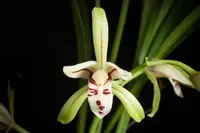
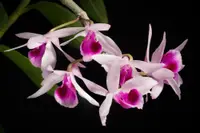
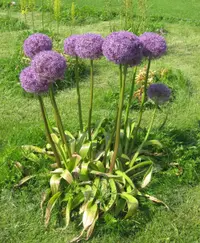
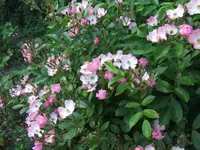
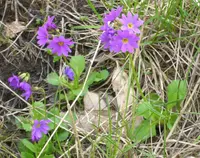
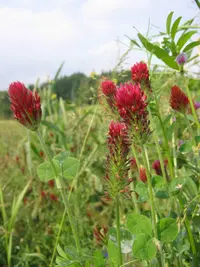
madam gorgon Care (Acicarpha tribuloides)

madam gorgon

About madam gorgon

Madam gorgon, Acicarpha tribuloides, is a small, ground-hugging perennial known for its dense rosettes of narrow leaves and unusual, spiny-looking flower heads. The rounded flower clusters give the plant a textured, almost sculptural appearance that stands out in rock gardens or experimental collections.

It is native to parts of South America, where it grows in open, often dry habitats with good drainage. In cultivation it prefers bright light, lean, gritty soil, and moderate moisture, which means it can be challenging in humid or poorly drained conditions.

Because it is still uncommon in horticulture, reliable guidance on how to care for madam gorgon is limited, so growers should be ready to observe and adjust conditions carefully.

Main Plant Requirements

Care Difficulty

Moderate Care

Light Preference

Full Sun

Water Requirements

Moderate Water

Temperature Preference

Warm Climate

Hardiness Zone

8–11

Soil Texture

Sandy, Loamy, Rocky

Soil pH

Slightly acidic (6.5–7.0), Neutral (7.0)

Soil Drainage

Well-drained

Fertilization

Minimal (feed rarely)

Get Personalized Care Plan

Scan your plant to receive care tips personalized for your specific plant

Available on iOS and Android

How to Care for the madam gorgon

Acicarpha tribuloides prefers bright, open conditions similar to its native grassland habitats.

  • Provide 6–8 hours of direct sun, ideally with morning sun and light afternoon shade in hotter regions to reduce leaf scorch risk.
  • Tolerates light or partial shade for 2–4 hours daily, but flowering and compact growth decline if shade extends through most of the day.
  • In summer, monitor for pale, crisping foliage as a sign of excessive sun; in low-light seasons, leggy stems indicate the madam gorgon needs more light exposure.

This species prefers evenly moist but not saturated soil, with good drainage as a priority.

  • Allow the top 2–4 cm of soil to dry before watering again; use a finger test rather than a fixed schedule to judge moisture.
  • In spring and summer, expect faster drying and more frequent watering, while in cooler months let the soil stay slightly drier to avoid root stress.
  • Signs of overwatering in Acicarpha tribuloides include yellowing, soft stems, or a sour smell in the soil, while drooping, crisp edges, and very light soil indicate underwatering.

This plant grows best in mild, temperate conditions without strong frost or extreme heat.

  • Ideal growing temperatures are around 65–77°F (18–25°C), which support steady growth and flowering during the active season.
  • It tolerates brief drops to about 40°F (4°C), but repeated exposure near this minimum slows growth and can damage young or tender shoots.
  • Frost below 32°F (0°C) can injure or kill above-ground parts, while prolonged heat above 90°F (32°C) may cause wilting; provide light shade and consistent soil moisture during hot spells.

This species manages well in typical indoor humidity but performs best with slightly moist air.

  • Aim for 40–60% humidity; avoid very dry heated rooms below 30%.
  • Madam gorgon tolerates short dry spells, but prolonged arid air leads to leaf edge browning and stalled growth.
  • Increase humidity locally with a pebble tray, grouping plants, or a small nearby humidifier rather than misting leaves.

This plant prefers a loose, well-drained mineral-rich substrate that does not stay wet for long.

  • Use a sandy or gritty loam with 30–50% coarse material such as horticultural sand, fine gravel, or perlite for sharp drainage.
  • In containers, mix 1 part all-purpose potting mix with 1 part coarse sand and 1 part fine grit or perlite to increase aeration.
  • Keep pH slightly acidic to neutral, around 6.0–7.0, as Acicarpha tribuloides dislikes very alkaline conditions.
  • Avoid heavy clay, compacted ground, or mixes with high peat content that retain water and reduce oxygen around the roots.

This species is suitable for container growing when the pot is prepared for rapid drainage and root stability.

  • Choose a wide, relatively shallow pot to accommodate its spreading root system without creating a deep water-holding column of soil.
  • Use a heavier pot material such as terracotta or ceramic to prevent tipping if the top growth becomes uneven or windswept outdoors.
  • Raise the container slightly on pot feet or bricks so drainage holes clear surfaces and water can exit quickly after irrigation.

This species is adapted to low-nutrient conditions and usually needs only light feeding in cultivation, even when grown as madam gorgon indoors or in pots.

  • Use a balanced, diluted liquid fertilizer (for example 10-10-10 at 1/4–1/2 strength) or a light top-dressing of compost for container plants.
  • Feed every 4–6 weeks during active spring–summer growth if foliage looks pale or growth is weak.
  • Avoid fertilizing in autumn and winter, when growth slows and excess nutrients can stress roots.
  • Always water before applying fertilizer to reduce the risk of root burn in confined containers.

Pruning Acicarpha tribuloides is usually light and focused on maintaining a tidy, healthy plant form.

  • Best timing is late winter to early spring, before strong new growth begins.
  • Remove dead, diseased, or storm-damaged stems first using clean, sharp hand pruners.
  • Thin crowded or crossing shoots to improve air flow and maintain an open, balanced shape.
  • Avoid heavy structural cuts; light tip-trimming after flowering is enough to guide size and habit.

This species is more often grown in the ground, so care usually focuses on gentle transplanting rather than frequent repotting.

  • Transplant in early spring or early autumn, when temperatures are mild and soil is workable.
  • Look for signs such as roots circling a nursery container, slow growth, or quick drying soil as cues for moving to a larger space.
  • Choose a slightly larger hole or pot with free-draining soil, keeping the root flare at the same depth as before.
  • Minimize root stress by watering thoroughly before and after planting, handling the root ball carefully, and shading briefly if conditions are hot or windy.

Propagation of Acicarpha tribuloides is usually carried out by seed, with vegetative methods used less often.

  • Sow fresh seeds in late winter to early spring in a well-drained seed mix, barely covering them.
  • Maintain even moisture and a cool to mild temperature range around 60–68°F to support steady germination.
  • Provide bright, indirect light and good air movement once seedlings emerge, avoiding waterlogging.
  • Transplant seedlings carefully once they have several true leaves, disturbing roots as little as possible.

This species is generally cold tolerant in suitable climates and often needs only modest winter attention outdoors.

  • In colder regions, apply a 5–7 cm layer of mulch around the root zone, keeping it slightly away from stems.
  • Ensure soil drains well so roots are not exposed to standing water followed by freezing conditions.
  • Container-grown plants in marginal climates can be moved to a cold, bright, frost-free area for winter.

Care Tips

Provide wind exposure

Grow plants in a slightly breezy, open spot so stems develop stronger tissues and are less likely to flop or break once the flower heads become heavy.


Use low-ring supports

Install short ring or hoop supports around young plants early in the season to keep the spiny, branching stems upright without shading nearby plants.

Encourage lateral branching

Pinch out only the very soft shoot tips on overly tall stems once early growth is established to encourage more lateral branches and a fuller flowering display.

Monitor for self-seeding

Allow some seed heads to mature if you want naturalized patches, but deadhead the rest before seeds disperse to prevent unwanted spread into surrounding beds.

Adapt to poor soils

In lean, sandy sites, leave a bare soil collar of 5–8 cm around the crown so rain reaches the roots easily and the plant does not have to compete with mulch or groundcovers, which supports long-term success when growing madam gorgon.

Common Pests and Diseases

Aphids

This pest forms small colonies on tender stems, young leaves, and developing flower structures, sucking sap and causing distortion or yellowing. Symptoms include sticky honeydew on foliage and sometimes sooty mold growing on that residue.

Solution

Rinse plants thoroughly with a strong but controlled stream of water to dislodge colonies, focusing on stem tips and undersides of leaves. For persistent infestations, apply insecticidal soap or a light horticultural oil, repeating every 5–7 days until new growth appears clean, and reduce excess nitrogen fertilization that encourages soft, aphid‑prone growth.

Spider mites

These insects are tiny sap feeders that favor hot, dry conditions and can cause fine stippling, a dull appearance, and eventual bronzing of foliage. Symptoms include delicate webbing along stems and between leaves, especially on stressed or container‑grown plants.

Solution

Increase humidity around plants, then hose down foliage on both sides to remove mites and webs. If activity continues, use insecticidal soap or a miticide labeled for ornamental plants, treating every 5–7 days while also avoiding prolonged drought stress that encourages outbreaks.

Leaf spot

This disease presents as small brown to dark lesions on leaves, sometimes with a yellow halo, which can coalesce and cause premature leaf drop in dense plantings. Symptoms include more severe spotting during warm, humid weather or when foliage stays wet for long periods.

Solution

Remove and discard affected leaves and plant debris to limit the spread, and water at soil level early in the day so foliage dries quickly. Improve spacing and airflow, and if spotting progresses, apply a copper‑based or other ornamental‑labeled fungicide according to label directions, monitoring new growth for improvement.

Powdery mildew

This disease appears as a white to gray powdery coating on leaves and young stems, reducing photosynthesis and vigor, especially in crowded or shaded conditions with poor air circulation. Symptoms include curling or distortion of new growth and a general decline in plant appearance.

Solution

Thin or space plants to improve air movement and avoid overhead watering during the evening. Remove heavily infected leaves and use a sulfur or potassium bicarbonate fungicide labeled for ornamentals at the first sign of the white coating, repeating as needed while also reducing excessive shade and humidity around the foliage.

Interesting Facts

Spiny false flower heads

What looks like a small spiky flower is actually a tight cluster of many tiny flowers (a pseudanthium), each producing its own seed. The rigid, spiny bracts around the head help protect the flowers and later assist in seed dispersal by catching on passing animals.

Southern South American native

This species is naturally distributed mainly in temperate parts of southern South America, including Argentina, Chile, and Uruguay. It typically grows in open, often disturbed habitats such as grasslands and roadsides, where there is high light and relatively dry, well‑drained soil.

Member of Calyceraceae family

Acicarpha tribuloides belongs to the small family Calyceraceae, which is closely related to the daisy family Asteraceae. Plants in this family share composite flower heads but differ in details of their floral structure and fruit morphology, making them important to botanists studying the evolution of daisy‑like inflorescences.

FAQs about madam gorgon

Lack of flowering often comes from insufficient light, nutrient-poor or overly rich soil, or stress from recent transplanting. Ensure steady conditions, moderate fertility, and avoid heavy pruning just before the natural flowering season.

Grow Healthy Plants with Botan Care

Keep your plants happy and healthy with plant identification, disease detection, and easy care guidance.

Botan plant care app — identify plants on mobile

Explore More Plants