


Rhizome division timing
Divide mature clumps only when new shoots are just emerging in spring, so each division keeps at least 3–4 healthy shoots and a fist-sized rhizome section for faster reestablishment.

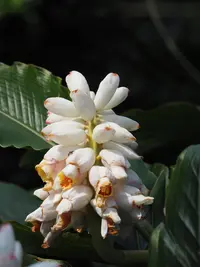
Alpinia uraiensis is a rhizomatous perennial from the ginger family, forming clumps of upright leafy stems. It is mainly known from Taiwan, where it grows in warm, humid habitats. Leaves are lance-shaped and aromatic when crushed, and flowering stems carry clusters of showy, tubular blossoms that add an ornamental accent. The plant has a lush, tropical look but a relatively restrained size compared with some other Alpinia species. It prefers consistently moist, well-drained soil and protection from strong, direct sun. In cultivation, understanding how to care for Alpinia uraiensis focuses on providing stable warmth, moderate light, and reliable moisture without waterlogging.

Care Difficulty
Moderate Care

Light Preference
Partial Shade

Water Requirements
Regular Water

Temperature Preference
Tropical / Frost Sensitive

Hardiness Zone
Unknown

Soil Texture
Loamy, Organic-rich

Soil pH
Acidic (5.5–6.5)

Soil Drainage
Moist but well-drained

Fertilization
Light (every 4–6 weeks)
Scan your plant to receive care tips personalized for your specific plant
Available on iOS and Android
This species prefers bright, gentle light similar to a lightly shaded tropical understory.
This rhizomatous plant prefers consistently moist but not waterlogged soil.
This species thrives in warm, frost-free conditions typical of humid subtropical to tropical climates.
This species prefers moderately high, stable humidity to maintain healthy foliage and growth.
This rhizomatous ginger prefers moist, airy, organic-rich soil that drains freely yet retains some moisture.
This species suits container growing when the pot is sized and stabilized for its clumping, upright growth.
This species benefits from moderate feeding to support lush foliage and steady clump growth.
Thoughtful pruning keeps this ginger tidy and encourages healthy new canes.
This clumping ginger benefits from occasional division or transplanting when congested.
Propagation is usually done by division of mature clumps rather than from seed.
This tropical ginger is frost-tender and needs protection in regions with cold winters.

Plant Health Check
Not sure what's wrong with your plant? Check your plant's health inside the app.
This rhizomatous perennial is native only to Taiwan, where it occurs naturally in limited montane areas, making it a narrow regional endemic of conservation interest.
It typically grows in moist, shaded sites in lower to mid-elevation mountain forests, indicating an ecological preference for cool, humid understory conditions rather than lowland or open habitats.
The inflorescences carry showy, tubular flowers with patterned lips typical of the ginger family, which are structured to guide pollinators toward nectar while ensuring contact with the reproductive organs.
The flowers produce nectar and are visited by bees and other small pollinators in suitable climates. In cooler or very dry conditions, pollinator activity is lower, so flowering may be more ornamental than ecologically significant.
Keep your plants happy and healthy with plant identification, disease detection, and easy care guidance.


sessile joyweed
Alternanthera sessilis
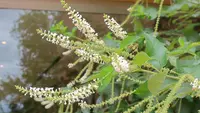
Sweet Almond Bush
Aloysia virgata
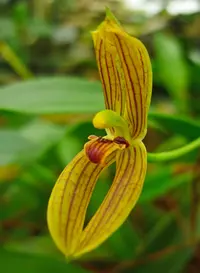
Maxillaria lineolata
Maxillaria lineolata
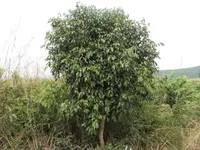
Water Pear
Syzygium guineense
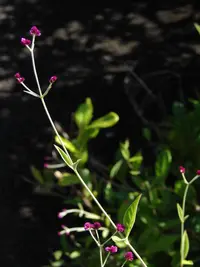
Alternanthera porrigens
Alternanthera porrigens
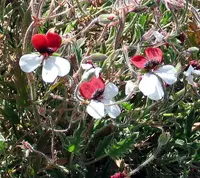
Tricolour Storksbill
Pelargonium tricolor
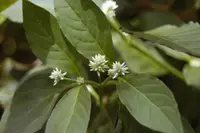
Brazilian joyweed
Alternanthera brasiliana
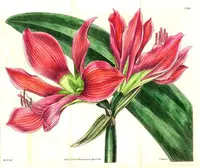
Lily of the Palace
Hippeastrum aulicum