Great Burnet Care (Sanguisorba officinalis)

Also known as: official burnet
Great Burnet

About Great Burnet

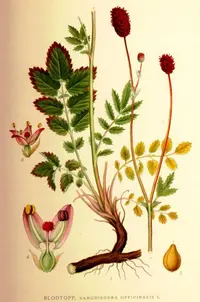
Great burnet, Sanguisorba officinalis, is a hardy perennial herb from the rose family. It forms clumps of upright stems with divided, toothed leaves and slender flower spikes. The deep red, bottlebrush-like flower heads appear in summer and attract pollinators. Plants typically have an airy, natural look that fits well into meadows, borders, and wildlife gardens. In the wild, great burnet occurs in damp meadows and grasslands across Europe and parts of Asia, and it adapts well to many temperate gardens. It is generally easy to grow if given sun to light shade, moisture-retentive soil, and consistent moisture. Gardeners usually find it straightforward to care for Great Burnet once it is established.

Main Plant Requirements

Care Difficulty

Easy Care

Light Preference

Full Sun

Water Requirements

Regular Water

Temperature Preference

Cold Hardy

Hardiness Zone

4–8

Soil Texture

Loamy, Silty, Organic-rich

Soil pH

Acidic (5.5–6.5), Slightly acidic (6.5–7.0)

Soil Drainage

Moist but well-drained

Fertilization

Minimal (feed rarely)

Get Personalized Care Plan

Scan your plant to receive care tips personalized for your specific plant

Available on iOS and Android

How to Care for the Great Burnet

This perennial prefers consistent sun exposure but adapts to cooler climates and varied garden conditions.

  • Provide 6–8 hours of direct sun daily in cool or mild regions; in hotter areas, give morning sun with light afternoon shade to prevent leaf scorch.
  • The plant tolerates partial shade, but flowering of Great Burnet may decrease if it receives less than 4–5 hours of direct sun.
  • In summer, watch for pale, stretched growth as a sign of insufficient light; in winter, shorter days mainly reduce bloom, not plant survival.

This moisture-loving perennial thrives in evenly damp, not waterlogged, soil.

  • Aim for soil that stays consistently moist to a depth of 5–8 cm; in normal weather, water when the surface begins to feel slightly dry but deeper soil still feels cool and damp.
  • Increase watering during hot, dry spells so Sanguisorba officinalis does not wilt or develop crisp leaf edges, which indicate drought stress.
  • Ensure soil drains freely; yellowing, limp stems and a sour smell in the root zone suggest overwatering or poor drainage, calling for less water and improved soil structure.

This hardy perennial tolerates a wide temperature range but grows best in moderate conditions.

  • Optimal growth occurs around 60–75°F (16–24°C), with strong foliage and good flowering during mild spring and early summer weather.
  • Mature plants tolerate winter cold down to about -20°F (-29°C) in the ground, dying back above soil level but regrowing from the crown in spring.
  • In hot summers above 85°F (29°C), growth may slow; provide extra water and light afternoon shade to limit heat stress and leaf scorch.

This species handles typical outdoor humidity well and usually does not need special humidity management.

This perennial prefers consistently moist, deep, loamy soil with high organic content.

  • Aim for a moisture-retentive but airy mix, such as garden loam blended with 30–40% compost and some sharp sand for structure.
  • Ensure drainage is steady, not rapid; the soil should stay evenly damp without forming puddles or turning waterlogged.
  • Target a neutral to slightly acidic pH around 6.0–7.0 to support nutrient availability for Sanguisorba officinalis.
  • Avoid compacted clay or thin, stony ground; improve heavy sites by incorporating organic matter to increase porosity and root aeration.

This plant can be grown in containers, but large, deep pots are needed for stable growth.

  • Use a tall, heavy container to accommodate the long root system and prevent wind from tipping the plant over.
  • Choose a potting mix that holds moisture yet drains freely, such as peat-free compost blended with coarse sand or fine bark.
  • Position the container where it will not dry out quickly from reflected heat, such as away from south-facing walls or hot paved areas.

Sanguisorba officinalis usually needs modest feeding when grown in average garden soil.

  • Apply a light layer of compost around the clump in early spring to support new growth.
  • Use a balanced, slow-release granular fertilizer (around 10-10-10) once in spring at half label strength.
  • In poor or sandy soil, supplement with a diluted liquid balanced feed every 4–6 weeks in the growing season.
  • Stop feeding in late summer and avoid fertilization in winter dormancy.

Pruning helps maintain flowering performance and a tidy shape in Sanguisorba officinalis.

  • In late winter or very early spring, cut back dead stems to just above ground level using clean hand pruners.
  • During summer, deadhead spent flower spikes to encourage continued blooming and reduce self-seeding.
  • Remove damaged or overcrowded stems to improve air flow and reduce disease risk.
  • Shape lightly by thinning rather than shearing, keeping the plant’s natural, upright form.

This perennial is more often transplanted in the garden than kept long term in containers.

  • Plan to divide or move Great Burnet every 3–5 years if clumps become crowded or flowering declines.
  • Transplant in early spring or early fall, when temperatures are mild and soil moisture is steady.
  • Lift the clump carefully, keep roots shaded, and replant at the same depth in well-prepared soil.
  • Water thoroughly after transplanting and keep soil evenly moist for 2–3 weeks to limit transplant shock.

Sanguisorba officinalis is commonly propagated by seed or by division of mature clumps.

  • Sow fresh seed in late fall outdoors or in early spring with cold stratification for better germination.
  • Use a free-draining seed mix, keep it lightly moist, and provide cool to mild light conditions.
  • In early spring or early fall, dig and divide established clumps, keeping several buds and roots per division.
  • Replant divisions promptly, water well, and maintain consistent moisture until new growth is established.

This species is cold hardy in most temperate climates and usually needs minimal winter care.

  • After hard frost, allow stems to die back, then cut them to ground level in late winter.
  • In colder areas, apply a 5–8 cm mulch layer over the root zone to moderate soil temperature.
  • Container-grown plants benefit from moving pots to a sheltered, unheated but frost-sheltered spot.

Care Tips

Staking Tall Stems

Install discreet stakes or a low support ring in early summer so the tall flowering stems stay upright in wind and rain and do not flop onto neighboring plants.

Cut-and-Come-Again Harvest

When harvesting leaves or flowers, cut stems above a lower set of healthy leaves to stimulate fresh regrowth and prolong both ornamental display and usable foliage.

Flower Deadheading Rhythm

Remove spent flower spikes promptly down to a strong side shoot to reduce self-seeding, maintain a tidy clump, and encourage a longer blooming period.

Early Spring Division

Every 3–4 years, lift and divide mature clumps in early spring, replanting only the youngest, healthiest divisions to maintain vigor and manage spread when growing Great Burnet.

Mulch To Prevent Heave

Apply a 3–5 cm layer of organic mulch around, but not touching, the crowns in late fall to reduce freeze–thaw heaving of roots and maintain more even soil conditions over winter.

Common Pests and Diseases

Powdery mildew

This disease causes a white, powdery coating on leaves, especially in warm, dry conditions with poor air movement. Symptoms include distorted foliage and reduced vigor if the infection is heavy.

Solution

Remove and discard heavily infected leaves to reduce spore load, then improve spacing and airflow around plants. Water at soil level, avoid overhead watering, and if needed apply a sulfur or potassium bicarbonate fungicide labeled for ornamentals according to label directions as part of general Sanguisorba officinalis care.

Leaf spot

This disease produces small brown to purplish spots on leaves that may merge into larger patches, sometimes with a yellow halo. Symptoms include premature leaf yellowing and reduced ornamental quality.

Solution

Prune and discard affected leaves and any plant debris on the soil surface to remove infection sources. Keep foliage as dry as possible, increase air circulation, and, for recurring problems, use a copper- or chlorothalonil-based ornamental fungicide, following the product label carefully.

Aphids

These insects cluster on young stems and undersides of leaves, sucking sap and causing curling, distortion, and sticky honeydew that can attract sooty mold. This pest can also weaken flowering stems and reduce bloom quality.

Solution

Spray colonies off with a strong stream of water, then monitor new growth regularly. If populations remain high, treat with insecticidal soap or a light horticultural oil, ensuring thorough coverage of shoot tips and leaf undersides.

Sawfly larvae

This pest appears as small, caterpillar-like larvae that skeletonize or strip foliage, leaving only leaf veins on affected plants. Symptoms include sudden, patchy defoliation, often starting on lower or inner leaves.

Solution

Handpick visible larvae and drop them into soapy water, and check leaves frequently during spring and early summer. In heavier infestations, use a targeted control such as spinosad on actively feeding larvae, following label instructions and avoiding spraying when pollinators are highly active.

Rust

This disease forms orange to rust-brown pustules on the undersides of leaves and stems, sometimes matched by yellow spots on the upper surfaces. Symptoms include premature leaf drop and a general decline in plant vigor if infections are repeated over years.

Solution

Remove and dispose of infected leaves and any fallen debris, and avoid overhead watering to limit leaf wetness. Improve spacing for better airflow and, in persistent cases, rotate fungicides labeled for rust on ornamentals, applying preventively at first sign of symptoms.

Interesting Facts

Deeply anchored roots

This species forms a deep, fibrous root system that allows it to access moisture from lower soil layers, which helps it tolerate summer dry spells in meadows and pastures.

Specialist butterfly host

In parts of Europe, the great burnet serves as a crucial larval food plant for several rare large blue butterflies (Phengaris species), which depend on its flower heads for egg laying and early caterpillar feeding.

Late-summer nectar source

Its dense, bottlebrush-like flower spikes produce nectar and pollen well into late summer, supporting bees and other pollinators when many earlier-flowering meadow plants have already finished.

Botan icon

Did you know?

In traditional European hay meadows, great burnet has long been considered a characteristic indicator of species-rich, long-established grassland, so botanists still use its presence to help identify and map high-value conservation meadows.

FAQs about Great Burnet

Lack of flowers usually comes from too much shade, dry or very poor soil, or plants that are too young or crowded. Ensure adequate moisture, moderate fertility, and divide congested clumps every few years to restore flowering.

Grow Healthy Plants with Botan Care

Keep your plants happy and healthy with plant identification, disease detection, and easy care guidance.

Botan plant care app — identify plants on mobile

Explore More Plants