Lewis flax Care (Linum lewisii)

Also known as: Western Blue Flax, Blue Flax, Wild Blue Flax, lewis blue flax
Lewis flax

About Lewis flax

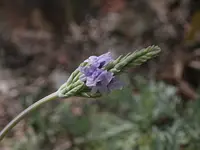
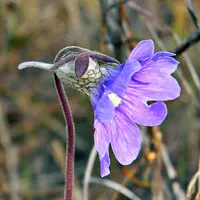
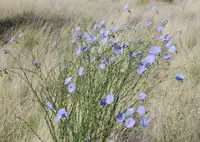
Lewis flax, Linum lewisii, is a perennial wildflower native to western North America, often found in prairies, open woodlands, and rocky slopes. It forms slender, upright clumps with narrow blue-green leaves and delicate sky-blue flowers that open in the morning and drop by afternoon, with new blooms following for many weeks.

This species has a naturally airy, fine-textured look and does not become bulky, which suits informal borders and naturalistic plantings. It adapts well to poor, well-drained soils and dry conditions, so care for Lewis flax is generally low-effort once it is established.

It prefers full sun and does best with moderate moisture that dries between waterings, especially in loose, gravelly or sandy soils.

Main Plant Requirements

Care Difficulty

Easy Care

Light Preference

Full Sun

Water Requirements

Low Water

Temperature Preference

Cold Hardy

Hardiness Zone

3–9

Soil Texture

Sandy, Loamy, Rocky

Soil pH

Slightly acidic (6.5–7.0), Neutral (7.0)

Soil Drainage

Well-drained

Fertilization

Minimal (feed rarely)

Get Personalized Care Plan

Scan your plant to receive care tips personalized for your specific plant

Available on iOS and Android

How to Care for the Lewis flax

This species prefers open, bright sites that mimic sunny meadows or prairies.

  • Provide 6–8 hours of direct sun daily; morning to early afternoon sun gives the best flowering for Lewis flax.
  • Tolerates light partial shade, especially with 3–4 hours of direct morning sun, but flowering and stem strength decline in heavier shade.
  • In hot, arid summers, protect from intense late-afternoon sun with light shade to reduce leaf scorch and excess soil drying.

This perennial prefers evenly draining, slightly dry-leaning soil rather than constant moisture.

  • Allow the top 3–5 cm of soil to dry before watering in the first growing season, then reduce frequency once roots are established.
  • During hot, dry weather, water deeply but infrequently, ensuring excess water drains away to prevent root rot in Linum lewisii.
  • Watch foliage for signals: yellowing, soft stems and a sour soil smell suggest overwatering; crispy leaves and wilting in cool soil suggest underwatering.

This species is adapted to continental climates with cold winters and warm summers.

  • Active growth and flowering are strongest around 60–75°F (16–24°C), with good performance in typical spring and early-summer conditions.
  • Established plants tolerate winter lows near -20°F (-29°C) in well-drained soil, provided roots are not sitting in waterlogged conditions.
  • Heat tolerance extends to about 90–95°F (32–35°C) if soil is not saturated; prolonged extreme heat with drought can shorten flowering.

Humidity is not a major factor for Linum lewisii, which thrives in dry western climates.

This species prefers lean, fast-draining soil that mimics open, rocky western habitats.

  • Use sandy or gravelly loam with low to moderate organic matter to prevent water retention.
  • Ensure very sharp drainage; mix in coarse sand or 3–5 mm grit to at least 30–50% of the volume.
  • Target a slightly acidic to neutral pH around 6.0–7.5, avoiding strongly alkaline or saline sites.
  • Avoid heavy clay, compacted ground, or mixes high in peat that stay wet for more than 1 day after rain or watering.

Linum lewisii can be grown in containers if drainage and root depth are managed carefully.

  • Choose a pot at least 25–30 cm deep to accommodate its taproot and prevent stunted growth.
  • Use a mineral-rich mix with at least 40–50% coarse sand or grit so water drains within minutes.
  • Select unglazed terracotta or other breathable materials to reduce water retention and minimize root rot risk.

In average garden soil, Lewis flax needs only light fertilization to support flowering without excessive foliage growth.

  • Use a balanced, slow-release fertilizer (around 10-10-10) or a light top-dressing of compost in early spring.
  • Apply once at the start of the main growing season; avoid repeated feeding in fertile soils.
  • Dilute liquid feeds to 1/2 strength if used, and water beforehand to limit root burn.
  • Stop feeding in late summer so growth hardens before winter dormancy.

Linum lewisii benefits from light, timely pruning to maintain a tidy, flowering clump.

  • Cut back spent flower stalks in mid to late summer to encourage a neater mound and some rebloom.
  • Remove dead, broken, or diseased stems at the base whenever noticed to reduce stress and pests.
  • Thin crowded stems lightly with clean hand pruners, preserving an airy structure and good light penetration.
  • Avoid hard shearing into old woody bases, as this can reduce vigor and flowering the following season.

This species is usually grown in the ground; transplanting young plants carefully is more important than frequent repotting.

  • Transplant in early spring or early fall, when temperatures are mild and soil is moist but not waterlogged.
  • Look for signs such as roots circling a small container, slow growth, or quick drying soil before moving plants.
  • Handle the taproot gently, disturb the root ball as little as possible, and plant at the same depth in a well-drained site.
  • Water thoroughly after transplanting, then keep soil lightly moist for 1–2 weeks to reduce stress while roots reestablish.

New Linum lewisii plants are most reliably produced from seed under the right seasonal conditions.

  • Sow fresh seed in fall outdoors for natural cold stratification, or in late winter after 4–6 weeks in the refrigerator.
  • Use a sharply draining mix, press seeds onto the surface or barely cover, and keep evenly moist until germination.
  • Provide bright light and cool to moderate temperatures (55–65°F) to encourage sturdy seedling growth.
  • Transplant seedlings when small, moving them carefully to avoid disturbing the developing taproot.

Mature plants are generally cold hardy in much of the US and need minimal winter care in the ground.

  • Tolerates typical frosts and snow in temperate climates when soil drains freely.
  • Apply a light mulch layer (2–5 cm) around, but not over, crowns in late fall to moderate soil temperature.
  • In very cold or exposed sites, allow stems to remain over winter, cutting them back in early spring.
  • Move container-grown plants to a sheltered, unheated area to avoid repeated freeze-thaw of the root zone.

Care Tips

Rotate sowing sites

Shift planting rows or patches by at least 30–45 cm each year to reduce soil-borne disease buildup and volunteer seedlings in the original spot.

Support in windy sites

In exposed locations, run a low stretch of soft twine between short stakes along the row to keep stems upright and reduce lodging during strong winds or heavy rain.

Staggered reseeding

Allow a portion of seed pods to mature and shatter naturally while collecting others, so you maintain a self-sustaining stand and still have seed for future controlled sowing.

Light mulch strategy

Apply a very thin, gritty mulch layer such as fine gravel or coarse sand around young plants to suppress crusting and splash-back while still allowing seedlings to self-sow.

End-of-season cleanup

After the majority of stems have browned, cut and remove top growth and dispose of any obviously diseased material rather than composting, which helps break pest and disease cycles when growing Lewis flax.

Common Pests and Diseases

Fusarium wilt

This disease often appears in poorly drained or compacted soil, causing gradual yellowing, stunting, and wilting even when soil moisture seems adequate.

Solution

Remove and dispose of severely affected plants, avoid replanting Lewis flax in the same spot for several years, and improve drainage by loosening soil and adding grit or sand; in beds with a history of wilt, use crop rotation and avoid overhead irrigation that keeps the soil saturated.

Powdery mildew

This disease shows as white to gray powdery patches on leaves and stems, which can lead to leaf distortion and reduced flowering in dense plantings.

Solution

Increase spacing and airflow, water at the base rather than overhead, remove heavily infected foliage, and, if needed, apply a sulfur or potassium bicarbonate fungicide labeled for ornamental perennials according to the product directions.

Aphids

These insects cluster on tender stems and flower buds, sucking sap and causing curling, distortion, and sticky honeydew that can attract sooty mold.

Solution

Spray plants with a firm jet of water to dislodge colonies, encourage natural predators such as lady beetles, and, if populations remain high, use insecticidal soap or a light horticultural oil, ensuring thorough coverage of stems and the undersides of leaves.

Linum bud moth

This pest bores into flower buds and young stems, leading to aborted buds, browning tips, and reduced flowering on affected shoots.

Solution

Prune out and discard damaged buds and stem tips as soon as they are noticed, remove plant debris at season’s end to reduce overwintering sites, and, where infestations are persistent, use a targeted Bacillus thuringiensis (Bt) product timed to coincide with young caterpillar activity.

Leaf spot complex

Symptoms include small brown to purplish spots on leaves that may merge into larger lesions, causing premature leaf drop during humid or wet periods.

Solution

Remove and discard spotted leaves, avoid overhead watering, improve spacing and airflow, and, in recurrent cases, apply a copper-based or chlorothalonil fungicide during extended wet weather following label directions for Linum lewisii care in perennial beds.

Interesting Facts

Native to western prairies

This species is naturally distributed across much of western North America, where it grows in open prairies, sagebrush steppe, and montane meadows, often in relatively dry, rocky soils.

Short-lived perennial strategy

It typically behaves as a short-lived perennial that relies on frequent reseeding, with individual plants living only a few years while maintaining populations through abundant seed production.

Morning-opening blue flowers

The delicate blue flowers usually open in the morning and often drop by afternoon of the same day, a pattern that reduces water loss and matches peak pollinator activity in its native habitats.

Botan icon

Did you know?

Indigenous peoples in parts of western North America traditionally used the strong, fine fibers of this species to make cordage, nets, and other practical items, recognizing its useful textile qualities long before modern fiber crops became widespread.

FAQs about Lewis flax

Growth is moderate rather than truly fast. Seedlings usually flower in their second year. In good conditions, stems reach near-mature height within 1–2 seasons, then gradually thicken into a short-lived, slowly expanding clump.

Grow Healthy Plants with Botan Care

Keep your plants happy and healthy with plant identification, disease detection, and easy care guidance.

Botan plant care app — identify plants on mobile

Explore More Plants