Pacific trillium Care (Trillium ovatum)

Also known as: western trillium
Pacific trillium

About Pacific trillium

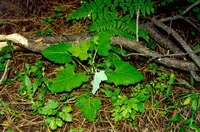
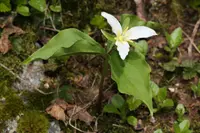
Pacific trillium (Trillium ovatum) is a woodland perennial from western North America, valued for its early spring flowers and graceful, low-growing habit. It forms whorls of three broad leaves topped by a single three-petaled bloom, usually white that often ages to pink or purple. In nature it occurs in cool, shaded forests, often under conifers, where soils are rich in leaf litter and stay evenly moist. Its slow growth and dislike of disturbance make it more challenging than typical garden perennials, especially in hot or very dry climates. Gardeners who learn how to care for Pacific trillium and match its woodland conditions usually find it long-lived and dependable.

Main Plant Requirements

Care Difficulty

Moderate Care

Light Preference

Partial Shade

Water Requirements

Keep Soil Moist

Temperature Preference

Cold Hardy

Hardiness Zone

4–8

Soil Texture

Loamy, Peaty, Organic-rich

Soil pH

Acidic (5.5–6.5), Slightly acidic (6.5–7.0)

Soil Drainage

Moist but well-drained

Fertilization

Minimal (feed rarely)

Get Personalized Care Plan

Scan your plant to receive care tips personalized for your specific plant

Available on iOS and Android

How to Care for the Pacific trillium

This woodland perennial prefers cool, shaded conditions that mimic forest understories.

  • Provide bright dappled shade or 1–2 hours of gentle morning sun; avoid direct midday or afternoon sun to prevent leaf scorch.
  • Site Pacific trillium under deciduous trees, where it receives filtered spring light before canopy leaf-out, then deeper shade in summer.
  • If leaves pale or stretch, the spot may be too dark; if edges brown or curl, reduce direct sun or increase shade cover.

This species prefers consistently moist, cool soil without becoming waterlogged.

  • Water when the top 2–3 cm of soil feel barely moist, using slow, deep watering so moisture reaches the root zone without pooling.
  • Ensure loose, humus-rich soil with excellent drainage; standing water around Trillium ovatum rhizomes often leads to rot.
  • In spring growth, monitor closely for drying; in summer dormancy, reduce watering but do not allow the soil to become bone dry for long periods.

This woodland plant thrives in cool to mild conditions with distinct seasonal changes.

  • Active growth is strongest at 50–70°F (10–21°C), typical of cool spring woodland temperatures.
  • Dormant rhizomes tolerate winter cold down to about 0°F (−18°C) if soil is well mulched and drainage is good.
  • Prolonged heat above 85°F (29°C) stresses plants; provide deep shade and a thick organic mulch to keep soil cool during hot spells.

This woodland perennial prefers cool, moist air but usually adapts to typical indoor humidity if roots stay evenly damp.

  • Aim for 50–70% humidity, similar to a shaded forest understory for Pacific trillium.
  • Dry indoor air can cause leaf edges to brown and flower buds to abort prematurely.
  • Increase humidity by grouping plants, using a nearby tray of water and pebbles, or running a small humidifier at low output.

This species needs loose, humus-rich soil that mimics a cool, moist forest floor.

  • Use a mix of roughly 50% leaf mold or compost, 30% fine bark, and 20% mineral aggregate such as perlite or pumice to keep the profile airy.
  • Ensure steady, moderate drainage so the soil stays evenly moist but never waterlogged or compacted.
  • Target a slightly acidic to neutral pH around 5.5–7.0, avoiding strongly alkaline mixes that can limit nutrient uptake.
  • Incorporate plenty of decayed organic matter to improve moisture retention while maintaining pore spaces for oxygen around the rhizomes of Trillium ovatum.

This forest understory plant can grow in containers if the pot closely recreates its deep, cool, evenly moist woodland substrate.

  • Choose a tall, relatively narrow pot (at least 25–30 cm deep) so the rhizomes can sit cool and undisturbed below the surface.
  • Use a heavy, thick-walled container such as clay to buffer temperature swings and keep the mix cooler in warm spells.
  • Position the pot in a shaded, wind-sheltered spot to prevent rapid surface drying and to stabilize moisture levels through the whole root zone.

Trillium ovatum grows best in rich, humus soil and usually needs only light supplemental feeding.

  • Use leaf mold or compost as a top-dressing in early spring to mimic its native woodland litter.
  • If soil is poor, apply a balanced, slow-release fertilizer (around 10-10-10) at half strength once in spring.
  • Avoid summer and fall feeding so the plant can harden off before dormancy, and never fertilize during winter rest.
  • When caring for Pacific trillium, prioritize improving soil organic matter over repeated fertilizer applications.

Trillium ovatum needs minimal pruning, focused mainly on hygiene rather than shaping.

  • In late summer or fall, remove only clearly dead or diseased foliage using clean, sharp scissors or hand pruners.
  • Leave healthy leaves until they yellow and collapse naturally so they can return energy to the rhizome.
  • Do not cut flower stalks or green leaves after blooming, since this reduces vigor and future flowering.
  • Remove nearby aggressive weeds or encroaching plants instead of cutting trillium stems to maintain clump health.

Trillium ovatum is best grown in the ground and dislikes frequent disturbance, so transplant only when necessary.

  • Transplant in late summer to early fall, after foliage has died back and the plant is dormant.
  • Choose a cool, shaded site with moist, well-drained, humus-rich soil and prepare it with leaf mold or compost.
  • Dig widely and deeply to lift the rhizomes with most roots and surrounding soil intact, minimizing root damage.
  • Replant at the same depth, water gently, and mulch lightly to reduce stress and maintain even soil moisture.

Trillium ovatum propagation is slow and usually done by seed or careful division of established clumps.

  • Sow fresh seed in pots or trays outdoors in shaded conditions so it experiences natural warm-cold cycles for germination.
  • Expect seed-grown plants to take several years to reach flowering size, so plan for long timelines.
  • Divide only large, well-established clumps in late summer dormancy, lifting wide to keep rhizomes and roots intact.
  • Replant divisions promptly at original depth in cool, moist, shaded soil, then water and mulch to stabilize conditions.

Trillium ovatum is cold hardy in much of its range and generally needs little special winter care in the ground.

  • After foliage dies back, mark the planting area to avoid disturbance while dormant underground.
  • Apply a 3–5 cm layer of leaf mulch over the root zone to buffer freeze-thaw cycles and maintain soil structure.
  • For container plants in very cold regions, move pots into an unheated garage or cold frame to prevent deep root freezing.

Care Tips

Protect emerging shoots

Mark clump locations with discreet stakes in late fall so you do not accidentally step on or cultivate over the fragile new shoots as they emerge very early in spring.

Leaf mulch layering

Top-dress the planting area each fall with a 3–5 cm layer of shredded hardwood or deciduous leaf mulch to mimic forest duff, protect rhizomes from freeze–thaw cycles, and encourage slow organic matter build-up.

Gentle division timing

If division is necessary, lift and divide rhizomes only when foliage has fully yellowed and died back, then immediately replant at the same depth and water in well to reduce transplant shock.

Slug and snail management

Place rough copper tape barriers or shallow, covered slug traps near clumps just before shoots emerge, since early feeding on new growth can severely reduce flowering.

Seed pod handling

If collecting seed, harvest capsules when they soften and just begin to yellow, then sow fresh outdoors in a shaded nursery bed, as seed of this species quickly loses viability in dry indoor storage, which is crucial knowledge for growing Pacific trillium from seed.

Common Pests and Diseases

Slugs and snails

This pest group feeds heavily on tender shoots and leaves, especially as new growth emerges in spring. Symptoms include ragged holes, shredded young foliage, and slime trails around the plants.

Solution

Hand-pick slugs and snails in the evening or early morning, and use low-toxicity iron phosphate baits placed away from petals and emerging shoots. Reduce hiding places by removing dense ground litter right around the crowns while still keeping a light, airy mulch layer over the root zone.

Black vine weevil

This pest chews characteristic notches in the leaf edges at night, while its larvae may feed on roots and underground stems. Affected plants can show slowed growth, leaf edge scalloping, and gradual decline in vigor.

Solution

Inspect foliage after dark with a flashlight and remove adult beetles by hand, and apply entomopathogenic nematodes to the soil in late spring or early summer to target larvae. Maintain an evenly moist but not waterlogged soil to support root recovery and avoid additional stress while growing Pacific trillium in shaded beds.

Rhizoctonia leaf spot

This disease causes tan to brown spots or blotches on leaves that may merge into larger dead patches, often starting near the soil surface where moisture lingers. Symptoms include water-soaked lesions that can lead to collapse of individual leaves or shoots in damp, crowded conditions.

Solution

Remove and discard affected leaves promptly and avoid overhead watering that keeps foliage wet for long periods. Improve air movement by thinning nearby groundcover and keep a loose, well-drained organic mulch so the soil stays cool and moist without remaining saturated.

Botrytis blight

This disease produces soft, brown, water-soaked areas on petals, leaves, and stems, sometimes covered with gray fuzzy mold in cool, damp weather. Symptoms include flower collapse, spotting on bracts, and rapid decay of tender tissues during prolonged wet periods.

Solution

Cut off and discard all affected flowers and leaves as soon as symptoms appear and avoid splashing water onto foliage. Increase spacing around clumps, clear dense debris right next to stems, and in persistently wet climates consider using a protective fungicide labeled for ornamental perennials during the peak cool, rainy season.

Interesting Facts

Color-changing flowers

The flowers typically open bright white, then age through pink to deep rose before fading, so a single population can show multiple color stages at once in spring.

Ant-assisted seed spread

Its seeds have a fleshy, oil-rich attachment called an elaiosome that attracts ants, which carry the seeds away from the parent plant, helping disperse them through the forest understory.

Slow forest specialist

This species often takes several years from seed to first flower and is closely tied to mature, moist coniferous forests of western North America, making it sensitive to habitat disturbance and logging.

Botan icon

Did you know?

Individual Pacific trillium plants can live for several decades, returning to the same spot each spring and slowly expanding their clumps over time, which means long-established patches can be older than many nearby shrubs.

FAQs about Pacific trillium

Lack of flowering often comes from immaturity, recent transplanting, or disturbance of the thick rootstock. Crowding, depleted soil, or stress from heat or drought also reduce blooms. This forest perennial may need several stable seasons to flower reliably.

Grow Healthy Plants with Botan Care

Keep your plants happy and healthy with plant identification, disease detection, and easy care guidance.

Botan plant care app — identify plants on mobile

Explore More Plants