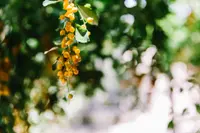
Pride of Madeira Care (Echium candicans)

Also known as: Pride-Of-Madeira, Tower Of Jewels
Pride of Madeira

About Pride of Madeira

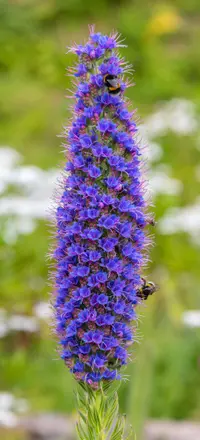
Pride of Madeira (Echium candicans) is a fast-growing evergreen shrub valued for its tall spires of purple-blue flowers and silvery, lance-shaped leaves. It forms a broad, dome-shaped mound that can dominate a sunny border or coastal garden.

This species is native to Madeira, a mild, oceanic island environment, which explains its preference for bright light, good drainage, and relatively dry conditions. Once established, it is drought tolerant and low maintenance, but it dislikes heavy, waterlogged soils.

In suitable climates, it attracts bees, butterflies, and other pollinators for a long flowering season. Gardeners who understand how to care for Pride of Madeira usually find it robust, as long as it receives full sun and well-drained soil.


Main Plant Requirements

Care Difficulty

Easy Care

Light Preference

Full Sun

Water Requirements

Low Water

Temperature Preference

Warm Climate

Hardiness Zone

9–11

Soil Texture

Sandy, Loamy, Rocky

Soil pH

Slightly acidic (6.5–7.0), Slightly alkaline (7.0–7.5)

Soil Drainage

Well-drained

Fertilization

Minimal (feed rarely)

Get Personalized Care Plan

Scan your plant to receive care tips personalized for your specific plant

Available on iOS and Android

How to Care for the Pride of Madeira

This sun-loving shrub thrives in open, exposed sites with strong light.

  • Provide 6–8 hours of direct sun daily; Pride of Madeira flowers best in full sun with open sky exposure.
  • It tolerates light partial shade, especially with morning sun and dappled afternoon light, but dense shade causes weak, leggy growth and fewer blooms.
  • In hotter inland summers, protect from intense late-afternoon sun with slight shade; in winter, ensure an unshaded position to maximize low-angle sunlight.

This drought-tolerant shrub prefers infrequent, deep watering once established.

  • Use fast-draining, gritty soil so water runs through quickly; avoid locations where water pools after rain to reduce root rot risk.
  • Water only when the top 4–6 cm of soil feels dry, then soak thoroughly; Echium candicans should not sit in constantly damp soil.
  • In the first growing season, water more often during hot, dry periods; later, watch for dull, drooping leaves as a sign to water, and yellowing soft growth as a sign of overwatering.

This coastal shrub prefers mild, frost-free climates with moderate temperature swings.

  • Optimal growth occurs around 60–75°F (16–24°C), with best flowering where summers are warm but not extremely hot.
  • Plants tolerate brief dips to about 25–28°F (-4 to -2°C), but repeated freezes can damage stems and flower buds.
  • In hot inland sites above 90°F (32°C), provide airflow and avoid reflected heat from walls; in colder regions, treat as a short-lived perennial or protect from hard frost.

Humidity is rarely critical for Echium candicans, which adapts well to dry outdoor air.

This species prefers very free-draining, lean soil that mimics coastal or rocky slopes.

  • Use sandy or gritty loam with low to moderate organic matter to reduce moisture retention.
  • Aim for slightly acidic to neutral pH, around 6.0–7.0, which suits most garden situations.
  • Blend coarse sand or fine gravel into native soil to improve drainage and root aeration.
  • Avoid heavy clay, waterlogged spots, or mixes high in peat that stay wet for long periods.

This species can be grown in containers, but needs careful attention to stability and drainage.

  • Choose a wide, heavy pot to counter the tall, top-heavy growth and reduce tipping in wind.
  • Use a very coarse, mineral-rich mix to keep roots dry between waterings and prevent rot in cool spells.
  • Position the container where excess water can drain freely away from patios or decks to avoid pooling at the base.

This drought-tolerant shrub needs modest feeding, especially in poor soils, to support strong flowering.

  • Apply a light layer of compost or a low-rate balanced NPK granular fertilizer in early spring before new growth starts.
  • Use a slow-release fertilizer formulated for flowering shrubs, following label rates rather than increasing strength.
  • Feed once more in midsummer only if growth or bloom on Pride of Madeira appears weak or pale.
  • Avoid feeding in late fall or winter, and never apply stronger-than-recommended liquid feeds to prevent soft, frost-prone growth.

Thoughtful pruning keeps Echium candicans compact, safe, and flowering well in garden settings.

  • Cut back spent flower spikes in late summer or early fall using clean, sharp bypass pruners.
  • Remove dead, damaged, or crossing stems at the base to reduce disease risk and improve airflow.
  • Shorten overly long or leaning branches to maintain a stable, wind-resistant shape.
  • Avoid cutting into the main woody framework too hard, which can reduce flowering the following season.

This large shrub is usually grown in the ground, so focus on correct transplant timing and minimal root disturbance.

  • Transplant young plants in mid to late spring once frost risk has passed and soil has warmed.
  • Look for signs such as roots circling a nursery pot or noticeably slowed growth as cues to shift into a slightly larger container or the ground.
  • Water the root ball thoroughly before moving, handle by the pot or root mass, and avoid breaking the taproot.
  • Set into well-drained soil at the same depth as before, backfill gently, then water deeply and shade lightly for 3–5 days to reduce transplant shock.

Propagation is most reliable from fresh seed, with some gardeners also using soft to semi-ripe cuttings.

  • Collect seeds from dry flower heads in late summer, then sow in trays in fall or early spring.
  • Provide bright light, good air movement, and a very free-draining mix at 60–70°F to encourage germination.
  • For cuttings, take non-flowering shoot tips in late spring, remove lower leaves, and insert into a gritty, moist but not wet medium.
  • Maintain high humidity around cuttings with a vented cover and avoid bottom rot by allowing the surface to dry slightly between light waterings.

This shrub tolerates mild coastal winters but suffers damage in prolonged frost or freezing winds.

  • Expect better survival in regions where winter lows stay above about 20–25°F, especially in sheltered spots.
  • Mulch the root zone with 5–8 cm of coarse bark or gravel in late fall to moderate soil temperature and drainage.
  • In colder areas, grow Echium candicans in large containers and move them under cover or into a bright, cool indoor space before hard frost.
  • Tie taller stems loosely and position plants out of direct winter wind to limit breakage and desiccation.

Care Tips

Wind exposure planning

Site plants where they receive good air flow but are shielded from the very strongest prevailing winds, for example behind a low wall or open fence, to reduce stem breakage while still keeping foliage dry and disease pressure low.

Seasonal height control

In late summer, selectively remove the tallest, most top-heavy flowering stems at the base to prevent wind rock and keep the shrub within a manageable size for small gardens.

Self-seeding management

Deadhead spent flower spikes before seeds fully ripen, or bag a few spikes and cut them for controlled seed collection, so you limit unwanted seedlings while still having seed to start new plants where you actually want them.

Root stability support

On exposed or sloping sites, lightly mound gritty soil or gravel around the plant’s base and avoid heavy cultivation near the roots to improve anchorage and reduce the risk of the whole plant rocking loose in winter storms when you grow Pride of Madeira.

Cold-snap protection

In marginal climates, keep a roll of horticultural fleece ready and wrap the plant loosely during short, unexpected cold snaps, securing the cover so it does not flap and damage the brittle stems.

Common Pests and Diseases

Honey fungus

This disease causes progressive dieback, poor vigor, and often white fungal sheets under the bark near the base. Symptoms include cracking or rotting at the crown and sudden collapse of branches in otherwise established plants.

Solution

Remove and destroy affected plants, including as much root material as possible, and avoid replanting susceptible shrubs in the same spot for several years. Improve drainage and avoid over‑irrigation around the base, and in high‑risk gardens choose more resistant replacement species rather than replanting Echium candicans in the same soil.

Western flower thrips

These insects feed on young leaves and flower spikes, causing silvery streaks, deformed growth, and brown, scarred flower parts. This pest often hides deep in the flowering spikes and among tight new shoots.

Solution

Cut and dispose of heavily damaged flower spikes and infested shoot tips, then hose remaining foliage with a strong stream of water to dislodge insects. Encourage natural predators, avoid broad‑spectrum sprays, and if needed use a targeted insecticidal soap or spinosad product directed into flower spikes and shoot tips according to label directions.

Red spider mites

This pest creates fine webbing and tiny pale or bronzed spots on leaves, especially in hot, dry, sheltered locations. Symptoms include general loss of vigor and a dull, dusty appearance to the foliage.

Solution

Regularly hose the plant, including the undersides of leaves, to knock mites off and raise local humidity, which slows their development. If populations remain high, apply insecticidal soap or horticultural oil thoroughly over several treatments, and reduce stress by avoiding drought and extreme reflected heat near walls or paving.

Leaf spot

This disease produces brown or tan spots on leaves, sometimes with darker margins and a gradual yellowing of surrounding tissue. Symptoms include premature leaf drop on lower, older foliage in humid or poorly ventilated positions.

Solution

Prune and discard affected leaves and any congested, shaded growth to improve airflow around the plant. Water at the soil level rather than over the foliage, and in persistent cases apply a suitable ornamental shrub fungicide according to label instructions while also improving spacing and sun exposure as part of broader Echium candicans care.

Interesting Facts

Origin on Madeira

This species is native to the island of Madeira in the North Atlantic, where it grows on dry, rocky slopes and coastal cliffs exposed to wind and salt spray.

Blue nectar guide pattern

The flower spikes are densely packed with blue to violet tubular flowers whose contrasting red stamens and nectar guides help direct pollinators such as bees to the nectar source.

High nectar resource

In regions like California and coastal Australia, the plant is valued in pollinator gardens because its large inflorescences provide abundant nectar for bees, butterflies, and hummingbirds over an extended blooming season, which supports those interested in Echium candicans plant care.

Botan icon

Did you know?

On the island of Madeira, this species is considered near-endemic, meaning it occurs naturally there and only marginally, if at all, outside that limited geographic range in the wild.

FAQs about Pride of Madeira

Lack of flowers often comes from too much shade, heavy or soggy soil, or excessive nitrogen fertilizer. Mature plants bloom more reliably after a cool, dry winter and full sun, so adjust conditions before considering pruning.

Grow Healthy Plants with Botan Care

Keep your plants happy and healthy with plant identification, disease detection, and easy care guidance.

Botan plant care app — identify plants on mobile

Explore More Plants