Encourage Dense Form
Tip-prune young shoots by 5–10 cm in late spring to stimulate branching, which creates a fuller shrub and more lateral wood where berries will form.

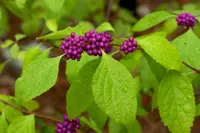
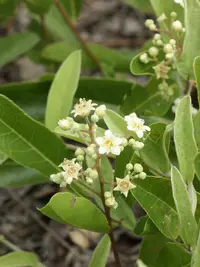
American beautyberry, Callicarpa americana, is a deciduous shrub valued for its vivid clusters of purple berries that ring the stems in late summer and fall. It forms a loose, arching shape with soft green leaves and small, pale flowers that are less showy than the fruit.
This species is native to the southeastern United States, often found in open woods, thickets, and along woodland edges. It is generally considered easy to grow, as it tolerates heat, humidity, and a range of garden soils.
To care for American beautyberry, provide sun to light shade, moderate moisture, and reasonably well-drained soil for best berry production and overall vigor.

Care Difficulty
Easy Care

Light Preference
Full Sun

Water Requirements
Moderate Water

Temperature Preference
Cold Hardy

Hardiness Zone
6–10

Soil Texture
Sandy, Loamy, Clay

Soil pH
Acidic (5.5–6.5), Slightly acidic (6.5–7.0)

Soil Drainage
Moist but well-drained

Fertilization
Minimal (feed rarely)
Scan your plant to receive care tips personalized for your specific plant
Available on iOS and Android
This deciduous shrub prefers a balance of sun and light shade for strong growth and berry production.
This shrub prefers evenly moist, well-drained soil, especially while establishing in the first 1–2 years.
This species is a temperate shrub adapted to warm summers and cool to cold winters.
This species tolerates a wide humidity range and usually does not need special humidity management outdoors.
This shrub prefers loose, well-drained, moderately fertile soil that does not stay waterlogged.
This species can be grown in containers, especially in smaller gardens or patios.
This native shrub needs only light, occasional feeding in average garden soil.
Thoughtful pruning helps Callicarpa americana maintain a tidy shape and good berry production.
This shrub is usually grown in the ground, with transplanting more common than long-term container culture.
Callicarpa americana is commonly propagated from softwood cuttings or seed.
This shrub is generally cold hardy in its native range and needs minimal winter care.

Plant Health Check
Not sure what's wrong with your plant? Check your plant's health inside the app.
American beautyberry is native to the woodlands and thickets of the southeastern United States, where it naturally grows in the understory of open forests and along woodland edges.
The vivid magenta to violet berries owe their color to anthocyanins, a group of water-soluble pigments that also help protect the plant’s tissues from light-induced stress.
The fruit clusters provide late-season food for birds such as mockingbirds, cardinals, and towhees, which helps disperse the seeds across the landscape.

Historical records from the early 20th century describe people in the southeastern United States rubbing crushed American beautyberry leaves on skin and on livestock to deter biting insects, a practice later supported by laboratory studies isolating insect-repellent compounds from the foliage.
Lack of blooms often comes from heavy pruning at the wrong time, too much shade, or low plant vigor. Avoid cutting stems hard in late spring, ensure at least partial sun, and maintain balanced nutrition without overfertilizing nitrogen.
Keep your plants happy and healthy with plant identification, disease detection, and easy care guidance.