Sturdy Support System
Install stakes, cages, or a trellis at planting time and loosely tie stems with soft ties as they grow to keep fruit off the soil, reduce disease risk, and make harvesting easier.

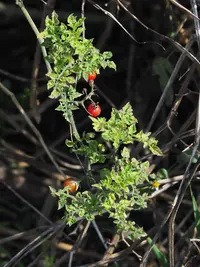
Cherry tomato, Solanum lycopersicum var. cerasiforme, is a compact fruiting plant in the nightshade family widely grown in home gardens and containers. It is usually an annual crop, producing many small round or oval fruits on branching vines.
This variety originated from wild South American tomatoes and has been selected for sweetness, thin skin, and continuous flowering and fruiting. Plants can be bushy or vining, with fine, slightly sticky foliage and clusters of yellow flowers.
Cherry tomatoes are considered relatively easy to grow but need steady warmth, strong light, and regular watering to stay productive. Understanding how to care for cherry tomato helps keep plants healthy and fruiting well in both outdoor beds and large containers.

Care Difficulty
Moderate Care

Light Preference
Full Sun

Water Requirements
Regular Water

Temperature Preference
Tropical / Frost Sensitive

Hardiness Zone
10–11

Soil Texture
Sandy, Loamy, Organic-rich

Soil pH
Acidic (5.5–6.5), Slightly acidic (6.5–7.0)

Soil Drainage
Moist but well-drained

Fertilization
Moderate (every 2–4 weeks)
Scan your plant to receive care tips personalized for your specific plant
Available on iOS and Android
This plant needs strong, direct light to flower and produce fruit reliably.
This plant prefers evenly moist, not soggy, soil for steady growth and fruiting.
This plant grows and fruits best in consistently warm, frost-free conditions.
This tomato variety grows best in moderately humid air but tolerates typical household levels.
This plant prefers deep, loose, fertile soil that drains freely yet holds steady moisture.
This species is suitable for container growing when given enough root volume and support.
Solanum lycopersicum var. cerasiforme responds well to steady nutrients during its active growing season.
Pruning helps manage growth, airflow, and fruit quality in Solanum lycopersicum var. cerasiforme.
This tomato is usually transplanted outdoors or into larger containers rather than kept long term in one pot.
New plants are most commonly raised from seed, though stem cuttings also work well for this tomato.
This warm-season annual tomato does not tolerate frost and usually completes its life cycle before winter.

Plant Health Check
Not sure what's wrong with your plant? Check your plant's health inside the app.
Cherry tomato types are genetically closer to wild South American tomatoes than large-fruited cultivars, so they often show stronger vigor and higher fruit set under varied conditions.
Cherry tomatoes typically accumulate a higher ratio of soluble sugars to organic acids than larger tomato types, which produces a more intense sweet-tart flavor profile in the small fruits.
Many cherry tomato lines retain the ancestral trait of easy fruit detachment, so ripe fruits can separate cleanly from the truss with little force, a feature reduced in many modern large-fruited cultivars selected for shipping durability.

Genetic studies suggest that cherry-type tomatoes represent an intermediate stage in domestication between fully wild tomatoes and modern large-fruited forms, helping researchers reconstruct how humans gradually selected for bigger, sweeter, and more abundant fruits over time.
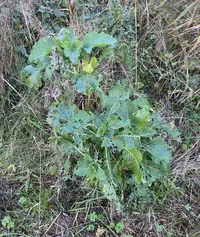
Yellowing leaves usually come from nutrient deficiencies, overwatering, or natural aging of the oldest foliage. Check drainage, avoid constantly wet soil, and feed with a balanced fertilizer containing nitrogen, magnesium, and iron to correct most issues.
Keep your plants happy and healthy with plant identification, disease detection, and easy care guidance.