parkia Care (Parkia speciosa)

Also known as: Stink bean
parkia

About parkia

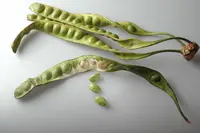
Parkia speciosa, commonly called stink bean or petai, is a large tropical legume tree valued for its edible seeds and shade. It forms a tall, spreading canopy with feathery compound leaves and long hanging pods that hold the strongly scented beans.

This species is native to Southeast Asia, where it grows in warm, humid lowland forests and cultivated landscapes. It prefers consistently moist, well-drained soil and high light, which makes outdoor culture in cooler climates challenging.

Slow growth, large mature size, and strict warmth needs are the main factors that influence how to care for parkia in home gardens.

Main Plant Requirements

Care Difficulty

Hard Care

Light Preference

Full Sun

Water Requirements

Regular Water

Temperature Preference

Tropical / Frost Sensitive

Hardiness Zone

11–12

Soil Texture

Sandy, Loamy, Organic-rich

Soil pH

Acidic (5.5–6.5), Slightly acidic (6.5–7.0)

Soil Drainage

Moist but well-drained

Fertilization

Minimal (feed rarely)

Get Personalized Care Plan

Scan your plant to receive care tips personalized for your specific plant

Available on iOS and Android

How to Care for the parkia

This tropical tree thrives in bright, warm conditions with protection from harsh midday sun.

  • Provide 4–6 hours of direct morning sun with light shade or filtered light from late morning to afternoon, especially in hot climates.
  • Allow partial shade (bright dappled light) in regions with intense sun; young trees benefit from 30–50% shade cloth during their first 2–3 years.
  • Watch leaves: pale, scorched, or crisp edges indicate excessive sun, while sparse branching and elongated shoots signal insufficient light, especially in dry or cool seasons.

This deep-rooted tree prefers evenly moist, well-drained soil rather than frequent shallow watering.

  • Water thoroughly when the top 3–5 cm of soil feel dry, allowing moisture to reach deeper roots without leaving the soil soggy.
  • Use loose, well-draining soil; avoid standing water around the root zone to reduce risk of root rot, yellowing leaves, and leaf drop from overwatering.
  • In hot, dry seasons increase watering depth and frequency, while in cooler or rainy periods reduce water and monitor for dull, curling foliage as a sign of drought stress.

This species grows best in warm, frost-free climates with minimal temperature fluctuation.

  • Aim for an optimal range of 75–90°F (24–32°C) for strong growth, flowering, and pod development during the active growing season.
  • Protect from temperatures below 55°F (13°C); sustained exposure near 40–45°F (4–7°C) can cause leaf damage, slow growth, and increased disease susceptibility.
  • Avoid extreme heat above 100°F (38°C) by providing mulch and light afternoon shade, and never expose the tree to frost, which can kill young Parkia speciosa outright.

This tropical tree prefers fairly humid air but usually adapts to typical household levels if not extremely dry.

  • Aim for 50–70% humidity to support steady leaf and shoot growth in young trees.
  • In very dry indoor air, watch for crisp leaf edges, slow new growth, and increased leaf drop as signs of humidity stress.
  • Increase humidity by grouping plants, placing the pot near (not on) a pebble tray with water, or using a room humidifier.

Parkia speciosa grows best in deep, loose, well‑drained, organic‑rich soil that does not stay waterlogged.

  • Use a loamy mix with 40–60% organic matter such as compost plus mineral components like coarse sand and perlite for structure and drainage.
  • Maintain slightly acidic to neutral pH around 6.0–7.0, avoiding very alkaline soils that can limit nutrient uptake and cause pale foliage.
  • In heavy or compacted ground, incorporate coarse sand, fine gravel, or perlite through the top 30–40 cm to improve aeration and rooting depth.
  • Avoid dense clay, sites that flood or hold standing water, and any mix that forms a sticky mass when wet and hard clods when dry.

This species can be grown in containers when young, mainly as a temporary solution or in mild outdoor climates.

  • Choose a deep, heavy container that resists tipping as the tree gains height and develops a stronger canopy sail effect in wind.
  • Select a pot volume that allows a broad, fibrous root system while still limiting ultimate height to manage size in patios or courtyards.
  • Use thick-walled clay or concrete pots outdoors where heat is intense, as these materials buffer root-zone temperature and slow rapid moisture swings.

Nutrient support helps Parkia speciosa establish and produce healthy foliage and pods, especially in poor soils.

  • Use a balanced NPK granular or slow-release fertilizer, or well-rotted compost, applied to the root zone in spring.
  • Feed every 6–8 weeks during the warm growing season if soil is low in organic matter.
  • Reduce or stop feeding in cooler months when growth slows, especially in subtropical areas.
  • Apply at half the label-recommended strength for young trees to prevent root and leaf burn.

Thoughtful pruning keeps Parkia speciosa structurally sound and manageable in cultivation.

  • Carry out light structural pruning at the end of the dry season or late winter, before strong new growth.
  • Remove dead, diseased, crossing, or storm-damaged branches with clean, sharp loppers or a pruning saw.
  • Thin congested interior branches to improve airflow and light penetration, encouraging sturdy, balanced growth.
  • Avoid heavy topping; instead, shorten or redirect selected branches to maintain desired canopy height and spread.

Parkia speciosa is usually field-grown, so focus on careful transplanting of young trees rather than frequent repotting.

  • Transplant when roots circle the container, water drains very fast, or growth slows despite good care.
  • Choose late spring or early rainy season so warm, moist conditions support new root growth and establishment.
  • Move up only 1–2 pot sizes or into a well-prepared ground site with deep, loose, well-drained soil.
  • Minimize root disturbance, keep the root ball intact, water thoroughly, and provide shade for 1–2 weeks to limit transplant shock.

New Parkia speciosa plants are most often raised from seeds rather than vegetative methods.

  • Collect fully mature pods, remove seeds, and sow them fresh for best germination rates.
  • Scarify hard seed coats lightly with sandpaper or soak seeds in warm water for 12–24 hours to speed sprouting.
  • Sow in a free-draining, slightly acidic mix, keep at 75–85°F, and maintain even moisture without waterlogging.
  • Start seeds in deep containers or nursery beds to accommodate the developing taproot and ease later transplanting.

This tropical tree is frost-sensitive and needs protection in regions with cool or freezing winters.

  • Avoid planting outdoors where temperatures drop near or below 32°F for extended periods.
  • In marginal climates, apply a 5–8 cm organic mulch layer over the root zone, keeping it away from the trunk.
  • For container plants, move indoors or into a heated greenhouse before the first frost and reduce watering.

Care Tips

Deep staking support

Install sturdy wooden or metal stakes at planting and tie the young trunk loosely with soft, wide ties so wind does not rock the root ball and the tree establishes a straight, stable leader.

Root zone mulching

Apply a 5–8 cm layer of coarse organic mulch over the root zone, keeping it 5–10 cm away from the trunk, to moderate soil temperature, reduce evaporation, and protect surface feeder roots.

Canopy wind management

In exposed sites, use temporary windbreak netting or plant the tree on the leeward side of a structure to reduce wind stress on young branches and minimize breakage as the broad canopy develops.

Seasonal pod management

Remove damaged or excessively dense clusters of pods during the season to reduce strain on branches and direct the tree’s resources toward healthy pod development.

Nitrogen-fixing support

Avoid disturbing or compacting soil directly under the canopy so the fine roots and nitrogen-fixing nodules remain active, which supports long-term vigor when growing parkia.

Common Pests and Diseases

Pod borers

This pest attacks developing pods and seeds, causing internal feeding damage, premature pod drop, and deformed seeds. Symptoms include small entry holes, frass, and poor-quality beans.

Solution

Collect and destroy infested pods, especially any showing small bore holes or frass, to break the life cycle. Use light traps or pheromone traps where available, and if needed apply a targeted Bacillus thuringiensis (Bt) or neem-based spray to young pods in the late afternoon, avoiding times when pollinators are most active.

Leaf-feeding caterpillars

These insects chew foliage and young shoots, leading to ragged leaves, skeletonized leaf blades, and reduced canopy density. In severe cases, defoliation slows growth and weakens the tree.

Solution

Hand-pick visible caterpillars from reachable branches and prune heavily infested twigs. Encourage natural predators such as birds, and where damage is significant use Bt-based biological sprays directed at the undersides of leaves during early larval stages.

Leaf spot

This disease causes small brown to dark spots on leaflets that may enlarge, coalesce, and lead to premature leaf drop in humid, rainy conditions. Symptoms include thinning foliage and reduced vigor in young trees.

Solution

Remove and dispose of heavily spotted fallen leaves to reduce inoculum, and avoid overhead irrigation that keeps foliage wet for long periods. Improve spacing and airflow around trees, and in wet, high-disease areas consider a copper-based fungicide applied preventively at the start of the rainy season according to label directions.

Powdery mildew

This disease produces a white to gray powdery coating on young leaves, shoots, and sometimes flower buds, often in shaded or crowded canopies. Symptoms include distorted new growth and reduced flowering or pod set.

Solution

Prune to open the canopy and increase light and air movement, removing heavily infected shoots. For repeated problems, apply a sulfur-based or potassium bicarbonate fungicide to young foliage at the first sign of mildew, and avoid excessive nitrogen fertilization that encourages overly soft, susceptible growth.

Stem borers

These insects tunnel into young stems and branches, causing wilting, dieback, and exit holes with frass around them. Severe infestations can deform or kill young Parkia trees used for pods or shade.

Solution

Regularly inspect stems and prune out and destroy any branches showing fresh borer holes or internal tunnels. Maintain tree vigor with proper watering and nutrition, use physical trunk guards on young stems where borers are frequent, and in high-pressure areas apply a systemic insecticide only as a targeted measure according to local regulations for Parkia speciosa care.

Interesting Facts

Sulfur-rich aroma

The seeds release strong sulfur-containing compounds when crushed or cooked, which is why they produce a persistent garlic-like odor on the breath and in urine for many hours after eating.

Specialist pollinators

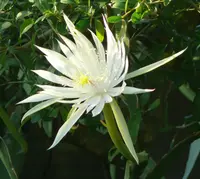
Its night-blooming, nectar-rich flowers are mainly pollinated by bats, which are attracted by the large hanging inflorescences and abundant nectar supply.

Masting fruit production

In many parts of Southeast Asia, trees in a region tend to flower and fruit in synchrony during certain years, a pattern known as masting, which provides large but irregular seed harvests for local communities.

Botan icon

Did you know?

Parkia speciosa forms large, nitrogen-fixing nodules on its roots through symbiosis with soil bacteria, allowing it to improve soil fertility and support other plants in traditional agroforestry systems.

FAQs about parkia

The seeds, known as stink beans or petai, are edible when cooked and commonly used in Southeast Asian cuisine. Young pods and seeds are eaten stir-fried, grilled, or in curries. Raw seeds can cause strong breath odor.

Grow Healthy Plants with Botan Care

Keep your plants happy and healthy with plant identification, disease detection, and easy care guidance.

Botan plant care app — identify plants on mobile

Explore More Plants