Sweet Cicely Care (Myrrhis odorata)

Also known as: anise, Cicely, Garden Myrrh
Sweet Cicely

About Sweet Cicely

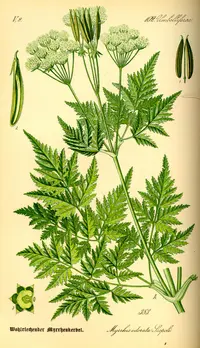
Sweet cicely, Myrrhis odorata, is a hardy perennial herb grown for its fern-like foliage and anise-scented aroma. It forms soft clumps with delicate white flower umbels in late spring.

This plant is native to mountainous regions of central and southern Europe and often naturalizes in cool, temperate gardens. It prefers partial shade, consistent moisture, and fertile, well-drained soil.

Its vigorous but non-aggressive growth and tolerance of cooler conditions make it relatively easy to establish in many outdoor beds and herb gardens. Gardeners who learn how to care for Sweet Cicely usually find it long-lived and dependable.

Main Plant Requirements

Care Difficulty

Easy Care

Light Preference

Partial Shade

Water Requirements

Regular Water

Temperature Preference

Cold Hardy

Hardiness Zone

3–7

Soil Texture

Loamy, Silty, Organic-rich

Soil pH

Acidic (5.5–6.5), Slightly acidic (6.5–7.0)

Soil Drainage

Moist but well-drained

Fertilization

Minimal (feed rarely)

Get Personalized Care Plan

Scan your plant to receive care tips personalized for your specific plant

Available on iOS and Android

How to Care for the Sweet Cicely

This aromatic perennial prefers bright outdoor positions with gentle, not harsh, sun exposure.

  • Provide 3–5 hours of direct morning sun with light or dappled shade from midday onward to prevent leaf scorch.
  • Tolerates partial shade very well and often grows best with only filtered light in hotter regions or during summer afternoons.
  • If stems stretch and foliage loses vigor, move Sweet Cicely to a slightly brighter spot, especially in early spring and late autumn when light is weaker.

This plant prefers consistently moist, cool soil that never stays waterlogged.

  • Water when the top 2–3 cm of soil feels slightly dry, aiming for evenly moist soil rather than a strict calendar schedule.
  • In spring and early summer, increase watering as growth is most active; reduce slightly in late summer and autumn as temperatures and growth slow.
  • Watch for yellowing, floppy leaves as a sign of overwatering and very limp, crisping foliage as a sign that Myrrhis odorata is drying out too much.

This hardy herb thrives in cool to mild outdoor conditions and tolerates substantial cold.

  • Optimal growth occurs around 55–70°F (13–21°C), typical of a cool, temperate garden season.
  • Established plants tolerate winter cold down to about 5–10°F (-15 to -12°C) in the ground, dying back and re-sprouting in spring.
  • Heat above 80°F (27°C), especially with dry soil, can cause wilting; provide extra shade and moisture during hot spells to protect foliage.

This species is adaptable to typical outdoor humidity and rarely needs special humidity management.

This herb prefers deep, moist, humus-rich soil with steady drainage for long-lived growth.

  • Use loamy soil with plenty of organic matter, such as garden loam mixed with 30–50% compost or well-rotted leaf mold.
  • Aim for slightly acidic to neutral pH, around 6.0–7.0, which supports nutrient availability for Myrrhis odorata.
  • Improve drainage and aeration on heavier sites by incorporating coarse sand or fine gravel into the top 20–30 cm.
  • Avoid compacted or waterlogged ground, as poorly aerated soil encourages root rot and weak, sparse foliage.

This species can grow in containers if the pot is large, deep, and kept evenly moist without stagnation.

  • Choose a tall, heavy container at least 30–40 cm deep to accommodate its long taproot and prevent tipping in wind.
  • Mix compost-rich loam with coarse sand or fine gravel so water drains freely while the mix stays slightly moist.
  • Position the pot where it will not overheat or dry out rapidly, such as a sheltered spot with light shade around the container sides.

This herbaceous perennial grows well in reasonably fertile soil and needs only light feeding.

  • Apply a thin layer of garden compost or well-rotted manure around clumps in early spring as growth resumes.
  • If growth is weak, use a balanced, slow-release fertilizer (around 10-10-10) at label rate once in spring.
  • Avoid high-nitrogen products, which promote soft, floppy foliage and reduce aromatic intensity in Sweet Cicely.
  • Do not feed during winter dormancy; excess nutrients can lead to weak, frost-sensitive growth.

Myrrhis odorata benefits from light, timely pruning to maintain vigor and prevent self-seeding.

  • Use clean hand pruners to remove dead, damaged, or diseased stems whenever noticed.
  • Shear off spent flower heads in early to mid-summer to limit self-seeding and encourage fresh foliage.
  • Trim back crowded or leggy stems to ground level to keep clumps compact and accessible for harvest.
  • Cut all top growth down to the base in late autumn once foliage yellows and collapses.

This deep-rooted perennial prefers staying in one spot, so transplant only when clearly necessary.

  • Transplant in early spring or early autumn when temperatures are mild and soil is moist but not waterlogged.
  • Move plants if growth declines, roots circle a container, or clumps are clearly cramped in their space.
  • Dig a wide, deep hole to accommodate the taproot, lifting Myrrhis odorata with a generous soil ball to limit damage.
  • Water thoroughly after transplanting, shade lightly for 3–5 days, and keep soil evenly moist until new growth resumes.

Myrrhis odorata is most often propagated from seed, with some success from careful division.

  • Sow fresh seeds outdoors in late summer to autumn so natural winter chilling (cold stratification) breaks dormancy.
  • For stored seed, provide 4–6 weeks at 35–40°F in moist medium, then sow in cool, bright conditions.
  • Divide young clumps in early spring, keeping large root pieces intact and replanting immediately in prepared soil.
  • Maintain consistently moist, well-drained soil and light shade until seedlings or divisions establish strong new growth.

This hardy perennial generally needs minimal winter care in temperate climates.

  • Tolerates typical frosts in USDA zones 5–8; roots overwinter while top growth dies back naturally.
  • Apply a 3–5 cm layer of organic mulch after the ground cools to buffer freeze–thaw cycles around the crown.
  • In very cold or exposed sites, add extra mulch or leaves to insulate young plants their first winter.
  • Move container-grown plants to a sheltered, unheated area, keeping soil just barely moist to prevent desiccation.

Care Tips

Regular division

Lift and divide crowded clumps every 3–4 years in early spring or fall to keep plants vigorous and prevent self-sown seedlings from taking over the bed.

Controlled self-seeding

Deadhead most flower umbels before seed set and leave only a few to mature if you want new plants, which keeps stands manageable while still allowing a controlled amount of natural regeneration when growing Sweet Cicely.

Edible foliage management

Harvest young leaves by cutting individual stems near the base rather than stripping whole sections, which encourages fresh regrowth and maintains a dense, leafy clump.

Mulch for root coolness

Apply a 5–7 cm layer of loose organic mulch around but not touching the crowns to keep roots cool, conserve moisture, and reduce weed competition without risking crown rot.

Slug and snail monitoring

Place simple slug traps (such as inverted grapefruit skins or wooden boards) near plants and check them early in the morning to remove hiding slugs before they damage young shoots.

Everything About Sweet Cicely

Common Pests and Diseases

Aphids

This pest feeds on young stems and flower stalks, sucking sap and causing curled, sticky foliage due to honeydew deposits.

Solution

Rinse colonies off with a firm spray of water, then treat remaining insects with insecticidal soap or a dilute neem oil spray, repeating weekly until under control. Encourage beneficial insects by avoiding broad-spectrum insecticides and by keeping surrounding vegetation diverse.

Powdery mildew

This disease causes a white, powdery coating on leaves, especially in sheltered, humid spots with poor airflow.

Solution

Remove and discard heavily affected leaves and reduce crowding by thinning nearby plants to improve air circulation. Water at soil level, avoid overhead watering, and apply a sulfur or potassium bicarbonate fungicide labeled for edible herbs if the disease continues to spread.

Leaf spot

This disease produces small brown to dark spots on leaves that may merge into larger patches, leading to premature yellowing and leaf drop in damp weather.

Solution

Cut off and dispose of affected foliage, then avoid wetting leaves when irrigating to keep the canopy dry. Improve spacing and airflow, and if spots return regularly, use a copper- or bio-fungicide approved for herb crops according to label directions.

Slugs and snails

These pests chew irregular holes in tender leaves and stems, often leaving slime trails and damage concentrated near ground level.

Solution

Hand-pick at dusk or after rain, and reduce hiding places such as dense weeds, boards, and debris near the plants. Use iron phosphate slug bait around beds and consider barriers like copper tape or coarse grit to limit access to the clump.

Interesting Facts

Anise-like aroma

The leaves and seeds contain aromatic compounds such as anethole, which give the plant a pronounced anise or licorice scent and flavor when crushed.

Early woodland specialist

This species is native to moist, partly shaded habitats in central and southern Europe and often emerges early in spring, taking advantage of high light levels on the woodland floor before tree canopies fully leaf out.

Historic culinary use

In parts of Europe, the young leaves, unripe seeds, and roots have long been used to flavor dishes, drinks, and preserves, especially before cane sugar was widely available, because their natural sweetness can soften sour flavors.

Botan icon

Did you know?

Myrrhis odorata was already being grown in European monastery and physic gardens by the Middle Ages, making it one of the earlier aromatic herbs intentionally cultivated in temperate Europe for both kitchen and apothecary use.

FAQs about Sweet Cicely

All aerial parts are edible and strongly anise-scented. Leaves, young stems, flowers, and green seeds flavor desserts and drinks. Roots are also edible but should be positively identified, as it resembles some toxic umbellifers.

Grow Healthy Plants with Botan Care

Keep your plants happy and healthy with plant identification, disease detection, and easy care guidance.


Botan plant care app — identify plants on mobile

Explore More Plants